Cold weather season has arrived. Here’s how you can stay ready.

Cold weather season has arrived. Here’s how you can stay ready.

As the holiday season takes hold, a polar vortex — a large area of low pressure and cold air — is also settling in across our territory. This kicks off the cold weather season, with the official start of winter quickly approaching. 

Colder temperatures can cause higher demand for electricity. We work year-round to maintain and improve our infrastructure, and we will be ready to serve our customers regardless of the conditions.  

We always encourage our customers to be ready for any severe weather, especially during cold temperatures. If you haven’t prepared for these next few months, the best time to prepare is now. 

Here are some ways you can stay safe and, when appropriate, save energy. 

Safety first 

We encourage customers to sign up for alerts at pplelectric.com/alerts. You can customize these alerts based on your preferences. If an outage occurs, you can get alerts and updates at pplelectric.com/outage. We also encourage signing up for local emergency alerts and staying tuned to weather forecasts throughout the season. 

  • Prepare an emergency kit: Your kit should include non-perishable food, water, medication, first-aid supplies and any pet supplies you may need. Be sure to include batteries and battery-operated flashlights. Store your kit in one location, preferably in an airtight container.  
  • Space heaters: Use space heaters sparingly, and only when needed. Do not plug into extension cords or power strips. Leave plenty of space between your heater and any nearby objects and keep them on a level surface away from flammable objects and walking paths. Don’t leave unattended or use while sleeping. 
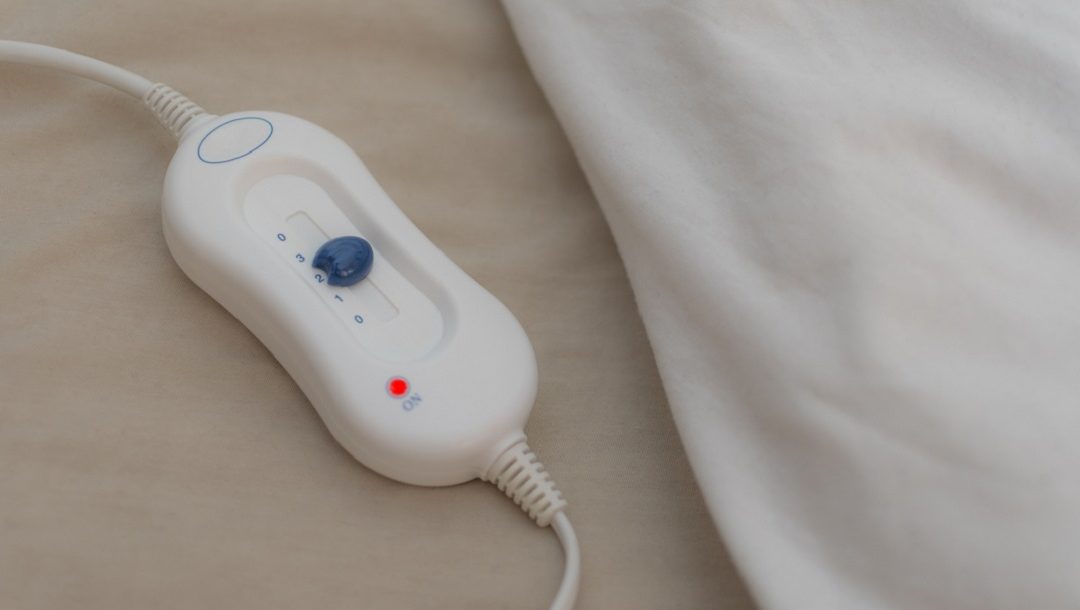
  • Electric blankets and heating pads: Make sure to inspect these devices before each use to ensure there is no damage. Do not place other objects or blankets on top of electric blankets while in use. Do not tuck an electric blanket into the mattress and never leave these devices unattended or use them while you are sleeping. 
  • Generators: If you must use a generator, read and follow the manufacturer’s guidelines for operation and pay attention to any warnings. This includes making sure you use the proper fuel for the generator and only add fuel when the generator is cool. Make sure to inspect the generator before each use to ensure it’s in good, working order. Your generator should never be used in an enclosed area or placed inside a home or business. Keep away from windows and vents that could allow carbon monoxide to sneak inside and make sure your home has working battery-operated carbon monoxide detectors. 

In the event of an outage: 

  • Avoid using candles for lighting because they can start fires. Use flashlights instead. 
  • Avoid opening your refrigerator and freezer as much as possible. 
  • Do not use gas ovens or ranges to heat your home.  
  • Unplug sensitive home electronics. Turn off ovens and space heaters that may have been on when the outage occurred. 
  • In the event of an emergency during an outage, call 911. 

Energy-saving tips 

Even during extreme cold, you can still save energy and money with these tips: 

  • Cover drafty windows: Roll up a towel or blanket for the bottom of drafty exterior doors. If possible, add caulking or weather stripping to seal air leaks around doors and windows. 
  • Let warm air flow: Make sure that rugs, drapes and furniture are not blocking airflow to and from heating registers, radiators or baseboard heaters. Rooms will have better circulation, and it will allow your system to work as intended, using less energy. 
  • Bundle up: Use extra blankets or wear extra clothes. You can save up to 1% in heating costs for every degree you dial back your thermostat, according to the Department of Energy. 
  • Mind your fireplace: Keep your fireplace damper closed unless a fire is burning. Having the damper open is like having a window in your home wide open, as it allows warm air to escape through the chimney. 
  • Use nature’s heater: Allowing the sun to shine in through your windows during the day can keep your home warmer. When the sun goes down, be sure to close the drapes to reduce heat loss through windows. 
Stay warm with these winter electrical safety tips

Stay warm with these winter electrical safety tips

As winter kicks into full gear, we can expect to see more snow and, of course, cold temperatures.

While we all do our best to stay warm during these times, we may occasionally need a little extra help to keep ourselves, and our homes, cozy. This may mean using anything from a plug-in, portable space heater to, in the event of a severe storm, a portable generator.

Even though it may seem easier to take a shortcut when trying to stay warm, you should always keep safety top of mind. Here is some information on the dangers associated with three common pieces of electrical equipment used during winter, as well as tips on how to use them safely.

Electric Blankets and Heating Pads

Both electric blankets and heating pads can provide some relief from the cold. While they may seem harmless, they cause almost 500 fires each year, according to ESFI. Here are some helpful tips to keep you safe:

  • Heating pads and electric blankets are not designed to be used interchangeably or at the same time.
  • Always be sure to inspect the device before using it. Start by checking the electrical cord and replace the item if you find any damage.
  • Do not place other objects or blankets on top of an electric blanket while it’s in use as it can easily overheat.
  • Do not tuck an electric blanket into the mattress and avoid folding it. Both can cause the blanket to overheat.
  • Never leave these devices unattended or use them while you are sleeping.

Space Heaters

According to the Electrical Safety Foundation International (ESFI), heating equipment — like portable space heaters — are the second leading cause of home fires in the United States and more than 65,000 home fires are attributed to heating equipment annually. It’s important to use these devices sparingly, and only when needed, to prevent something from going wrong. Here are some tips to ensure you’re being safe:

  • Before using a space heater, read the manufacturer’s instructions in full.
  • Don’t plug space heaters into extension cords or power strips.
  • Be sure to give space heaters plenty of room and keep them on a level surface away from flammable objects and foot traffic.
  • Remember to only use a space heater when needed and don’t leave a heater unattended while in use. Make sure you turn it off and unplug the cord when you’re not using the device.
  • It may be advantageous to ditch your older space heater for a new one that has built-in safety features like a tip-over switch.

Generators

If the power goes out during a winter storm, you may turn to a generator. While the ability to keep the essentials running is certainly amazing, generators can pose a serious risk to your health. In fact, the Consumer Product Safety Commission reports that 50% of all generator-related carbon monoxide deaths occur during the winter months. Follow these tips before firing up your generator:

  • Be sure you are reading, and following, the manufacturer’s guidelines for operation and take heed of any warnings. This includes making sure you use the proper fuel for the generator and only add fuel when the generator is cool.
  • Before each use, inspect the generator to ensure it’s in good working order.
  • Generators should never be used in an enclosed area or placed inside a home or business. Be sure to also keep them away from windows and vents that could allow carbon monoxide to sneak inside.
  • Even though you will be using the generator outside, make sure that your home has battery-operated carbon monoxide detectors that are in good, working condition.
  • Make sure you never backfeed power from the generator into your home. Doing so can create serious safety hazards for our linemen working to restore your service by sending power back outside of your home.

Remember, with a little preparation and a few precautions, you can keep you, your family and your home safe and warm this winter.

For more information about how we promote safety, visit pplelectric.com/safety.

Cold snap? Snap back with savings

Cold snap? Snap back with savings

Another winter. Another polar vortex. Another round of high electric bills?

Not necessarily. There’s plenty of opportunity to manage your home energy use and keep your bill under control. In fact, you could say the coldest snaps offer the biggest chances to save.

Here are some tips on how to save energy and money during this cold week, and during cold weeks to come:

– Heating is the average home’s single biggest energy expense, so improvements here can make a real difference. Try to set your thermostat at 68 degrees, and use a programmable thermostat to turn down the heat when everyone is asleep or out and about.

– Make sure the hot-air vents in your home are open and free from obstruction, so you get all the heat your furnace is churning out. (Kids, especially, have a knack for dropping stuff on top of the vents and leaving it there.)

–  It’s best to get your heating system inspected and tuned up for maximum efficiency before cold weather arrives. But, if you haven’t done it yet, you can still get it done, to save energy the next time Canada decides to send us a bulk shipment of arctic air.

If it’s too late to get a full tuneup, you can start by replacing your furnace filter so your furnace doesn’t have to work as hard.

– Simple, quick steps that can keep hot air inside your house include installing special insulators inside electrical outlets and weather-stripping doorjambs.

– If you only want to warm up a small area, a portable heater might be a more efficient choice than cranking up the thermostat. Be sure to use these heaters safely, keeping them away from curtains and furniture and turning them off when you no longer need them.

– Since the cost of generation supply makes up the largest portion of most bills, you can save by buying your electric supply from a competitive supplier. Check out PAPowerSwitch.com to see other offers available to you. Remember to check out the terms of each offer, such as whether the rate is fixed or variable, and whether there are cancellation fees.

We invest in our delivery system year-round to keep it reliable at times like this – replacing old equipment, installing smart grid technology and trimming trees. We had no major system issues from last year’s cold weather and we’re aiming for the same performance this year. If you do have an outage at any time, please report it by calling 1-800-DIAL-PPL (342-5775) or online at pplelectric.com/outage.

Finally, if you or someone you know is concerned about paying their electric bills, you can find out more about our payment assistance programs online, or call 1-800-DIAL-PPL and talk with a customer service representative between 7 a.m. and 10 p.m.