Oct 6, 2026 | Safety and Security
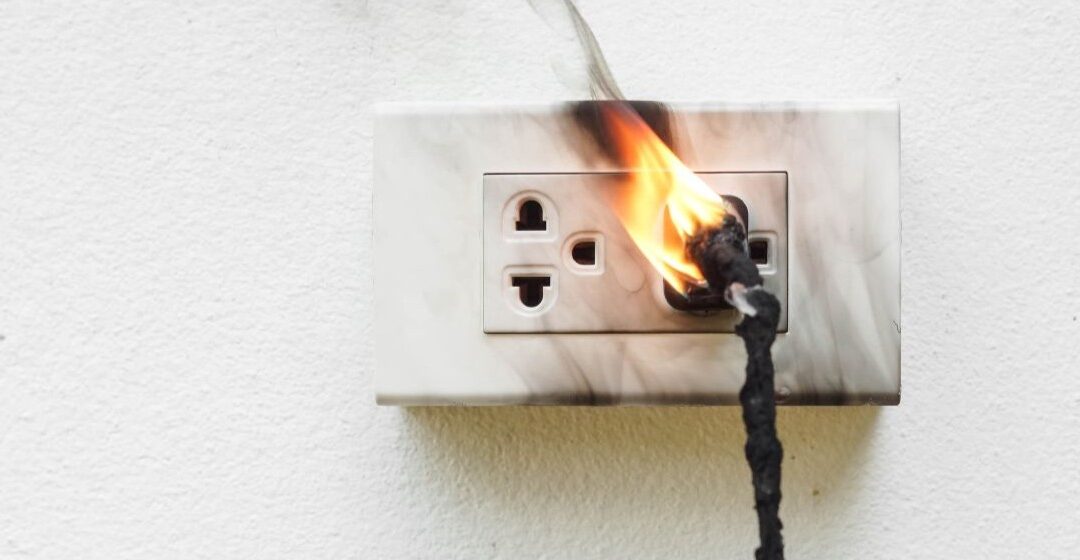
Fire Prevention Week (October 4-10) is a great time to think about how we can keep our homes and families safe. According to the Electrical Safety Foundation International (ESFI), home electrical fires are responsible for around 500 deaths, 1,400 injuries and $1.3 billion in property damage.
The good news is that many house fires can be prevented by following a few simple electrical safety tips. Electricity powers our everyday lives, but it should always be treated with care.
Here are some important reminders to help prevent electrical fires:
Check your power cords
Take a look at the cords around your home. If a cord is frayed, cracked, or damaged, replace it right away. Never put nails, staples, or other objects through electrical cords because they can damage the protective covering and create a fire hazard.
Don’t force plugs into outlets
Plugs should fit securely into outlets. If a plug feels loose or needs to be forced into place, stop using it and have the outlet inspected. Damaged outlets can increase the risk of electrical problems and fires.
Use the right light bulbs
Always use light bulbs with the recommended wattage for your lamp or fixture. Using bulbs that are too powerful can cause overheating and potentially start a fire.
Be careful with space heaters
When the weather gets cold, many people use space heaters. Keep them on a flat surface and away from furniture, curtains, blankets, and other flammable materials. Never plug a space heater into an extension cord or power strip, and don’t leave it running unattended.
Protect areas near water
Bathrooms, kitchens, and other places where water is present should have Ground Fault Circuit Interrupters (GFCIs). These safety devices can quickly shut off power if they detect a problem, helping to prevent shocks and electrical hazards.
A few simple safety habits can make a big difference. This Fire Prevention Week, take a few minutes to check your home’s electrical equipment and talk with your family about electrical safety. Working together can help keep everyone safe and reduce the risk of electrical fires.
May 1, 2025 | Safety and Security
Staying safe around electricity is something we focus on every day as we work to deliver the most reliable power possible to our 1.5 million customers. We should also take that mindset home with us and make electrical safety a priority.
During National Electrical Safety Month, take some time to inspect electrical equipment and components in your home and make sure your home is free from electrical hazards. And if you do detect some safety hazards, consider hiring a qualified electrician to do an inspection and make any needed repairs or upgrades.
Here are some common electrical safety measures, including tips from the Electrical Safety Foundation International, that you can take around your house:
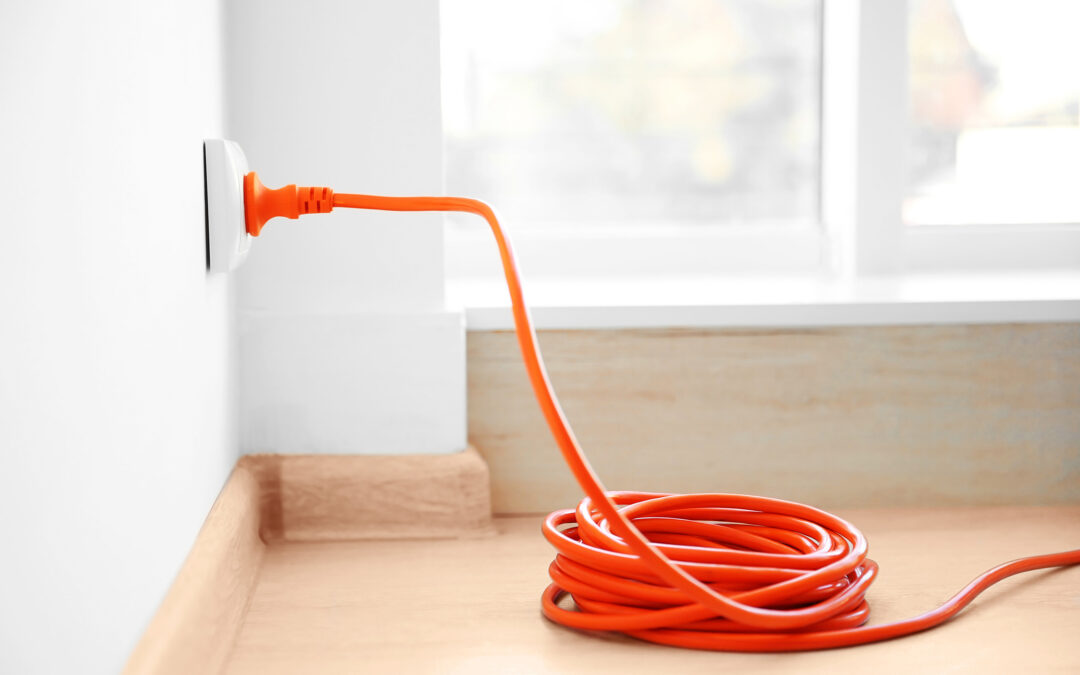
Extension cords
- Never use more than one extension cord and don’t overload the cords you do use.
- Make sure the extension cords you use are properly rated for their intended use and have been approved by an independent testing laboratory.
- Inspect cords before use. If you spot cracked or frayed sockets, loose wires or loose connections, discard and replace the cord.
- Don’t put staples or nails through cords.
- Don’t put carpets or rugs over cords.
Overloaded circuit warnings
- Flickering, blinking or dimming lights.
- Frequently tripped circuit breakers or blown fuses.
- Warm or discolored wall plates.
- Crackling, sizzling or buzzing in receptacles.
Power tool safety
- Use ground fault circuit interrupters with power tools to protect against shocks.
- Don’t use extension cords longer than 100 feet with power tools.
- Never use power tools near live electrical wires or water pipes.
- When working with electricity, use tools with insulated grips.
- Wear appropriate personal protective equipment.
Smoke alarms
- Install smoke alarms in every bedroom, outside each sleeping area and on every floor.
- Test smoke alarms once a month.
- Replace smoke alarm batteries annually.
- Occasionally dust or lightly vacuum exterior of alarm to remove dust and cobwebs.
- Replace smoke alarms every 10 years.
Outdoor safety
- Contact 811 at least three business days before any digging project.
- Always identify potential overhead power lines before beginning any outdoor project.
- Carry ladders parallel to the ground to avoid contact with overhead power lines.
- Don’t use electrical equipment or extension cords in wet conditions or in the rain.
Additional resources
PPL Electric offers a variety of important electrical safety information and resources at pplelectric.com/safety. You can find resources for specific groups including: