Aug 3, 2026 | Community Involvement
The PPL Foundation empowers communities by supporting the important work of nonprofit organizations that improve lives. Through the foundation, $1 million in grants was awarded to hundreds of organizations throughout our 29-county territory in 2025.
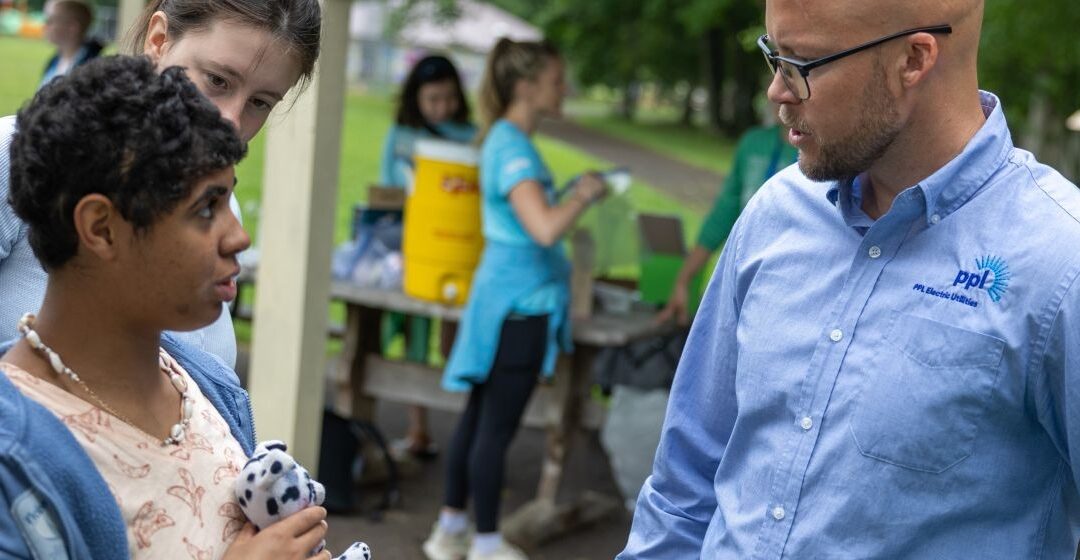
Camp Victory is an organization that received an Empowering Communities grant in 2025. It’s more than just a summer camp. Camp Victory is a place where kids can feel like they truly belong. The camp works with partner programs to create a safe, fun experience for children with special needs, giving them opportunities they might not find anywhere else.
For many campers, Camp Victory is life-changing.
“A lot of our campers… might be the only one in their school or family who has that disability,” said Kate Stepnick, Executive Director of Camp Victory. “But when they get to Camp Victory, everybody has the same disability or diagnosis.”
That sense of belonging helps kids build confidence, friendships and lasting memories. In addition to running the camp, Stepnick is also a former camper.
“I started coming in 1996 to Camp JRA, which is a camp for kids with arthritis,” Stepnick said. “For me, it was the one week of the year that I really felt a part of something and belonged.”
We are proud to support Camp Victory and the unique programs it offers. Through the PPL Foundation, the company provides funding that helps the camp grow and reach more children. These programs include specialized camps for different medical needs, outdoor activities like biking and paddle boating, and even environmental education.
PPL’s support also helps ensure the camp can meet the complex medical needs of its campers. From trained staff to accessible equipment, everything is designed so kids can safely enjoy the outdoors.
“Camp Victory is a really special place,” said Jonah Howe, Regional Affairs Director for PPL Electric Utilities. “The opportunities they provide here are special in the ways they really accommodate different medical needs that other organizations just can’t do.”
The partnership between PPL and Camp Victory is built on shared values like community, education, and care for others. By working together, they are helping children experience something every kid deserves — a chance to have fun, feel included and just be themselves.
“What I love most is seeing the kids smile,” Howe said. “I understand that they’re managing different chronic illnesses that don’t give them the opportunity to do that, and here at the camp…they can experience nature and just enjoy their time here.”
Oct 25, 2024 | Community Involvement
VIDEO: PPL making fitness accessible to all at the Bloomsburg Area YMCA
Through its grants, the PPL Foundation invests in building communities. There are a number of grant cycles year-round that support different initiatives. Every summer, the foundation awards Powering Equity grants to organizations that specifically work to promote greater equity and inclusion in the neighborhoods we serve.
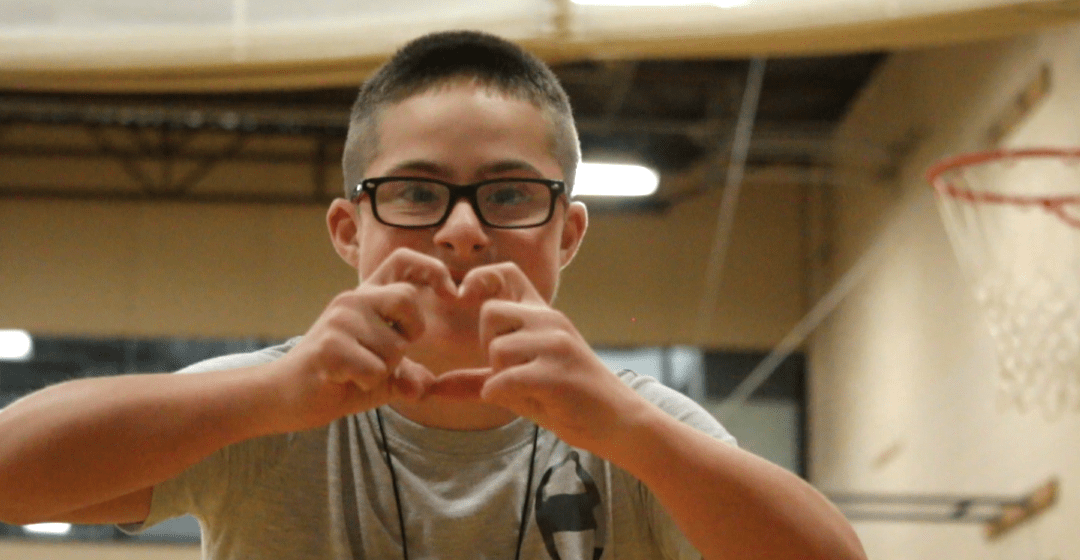
The Bloomsburg Area YMCA is a recent recipient of a Powering Equity grant. It serves Columbia and Montour counties and is dedicated to youth development, healthy living and social responsibility. The YMCA is using the Powering Equity grant to support its growing Adaptive Health and Recreation Program for children with disabilities.
“This adaptive program is meant for kids ages three to 13,” said Collin Benfield, director of programs and membership development at the YMCA. “We try to offer a myriad of different sporting and recreational opportunities for kids that may not otherwise get them in a safe manner and in a manner that helps aid their physical therapy.”
The program kicked off in 2023, and it is currently offering its second cycle of classes. It’s quickly becoming popular in the area, growing from 10 children to 22 in the first year.
“The kids and the families love it,” said Wayne Stump, chief executive officer at the YMCA. “It’s evidenced by just how quickly this program has grown.”
There are two sessions during the year during the spring and fall. The current fall session is held on Wednesday nights, which is becoming the highlight of these kids’ weeks.
“Their feedback is that they want it more often – every day, if they could,” Benfield said. “It feels amazing knowing that we’re providing wellness for all…regardless of ability or disability.”
As the program expands and the numbers grow, the need for funding becomes more important.
“We wouldn’t be able to do it without the funding that we do get. We’re really appreciative of the PPL Foundation and others,” Stump said. “With the amount of costs that families have, this might be a burden if they had to pay for it.”
The YMCA says it looks forward to accepting more kids into the program and continuing to provide accessibility to all.
“To me and the rest of the grants committee, when programs benefit a wide range of diverse groups, that really makes them special,” said Jonah Howe, PPL Electric Utilities’ regional affairs director in the area. “We’re proud to support the Adaptive Health Program at the Bloomsburg YMCA.”
Feb 7, 2024 | Community Involvement
Being part of the communities we serve goes beyond delivering safe, reliable electricity. Through PPL Foundation Empowering Communities Grants, we support local programs focused on environmental stewardship and education, economic development and/or workforce development.
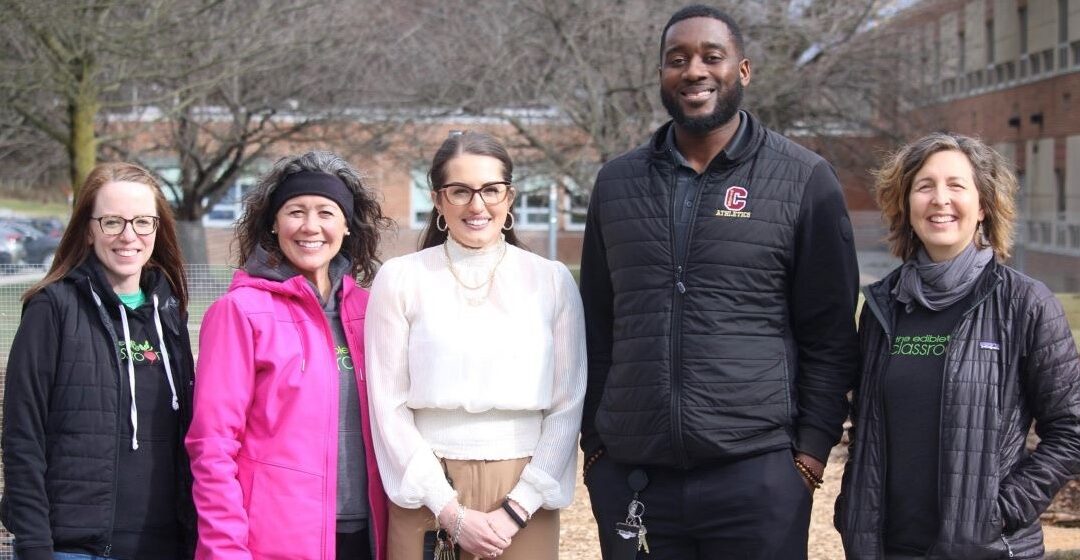
The Edible Classroom, a recent PPL foundation grant recipient, is using this funding to expand its operations in two districts. The Lancaster-based nonprofit uses the garden as a tool of educational enrichment. It started as an elementary school volunteer project between Beth Horst, Co-Founder and Director of School District of Lancaster Partnerships and Grace Julian, Executive Director, and Project Manager for Columbia High School’s garden.
There’s tremendous value in what it does for children – educating them through a mix of physical and mental education, bringing the community together – and the team hoped to take this to a broader audience. “And that’s how we became The Edible Classroom.” Horst said.
Since 2017, the organization has formed 15 gardens across three districts. Each garden is an interactive outdoor learning space where students build, tend to and grow a garden. The produce is then supplied to the community for consumption.
“The meaningful engagement with the kids keeps us all very engaged and passionate about what we do,” Julian said. “Kids from across the learning spectrum, even those who say that the classroom is not their favorite place to be, come alive outside in the garden.”
With PPL’s funding, lessons are held during the school day that incorporate STEM standards, healthy living, composting and environmental stewardship. The Edible Classroom says the funding helps it make more of an impact in the community.
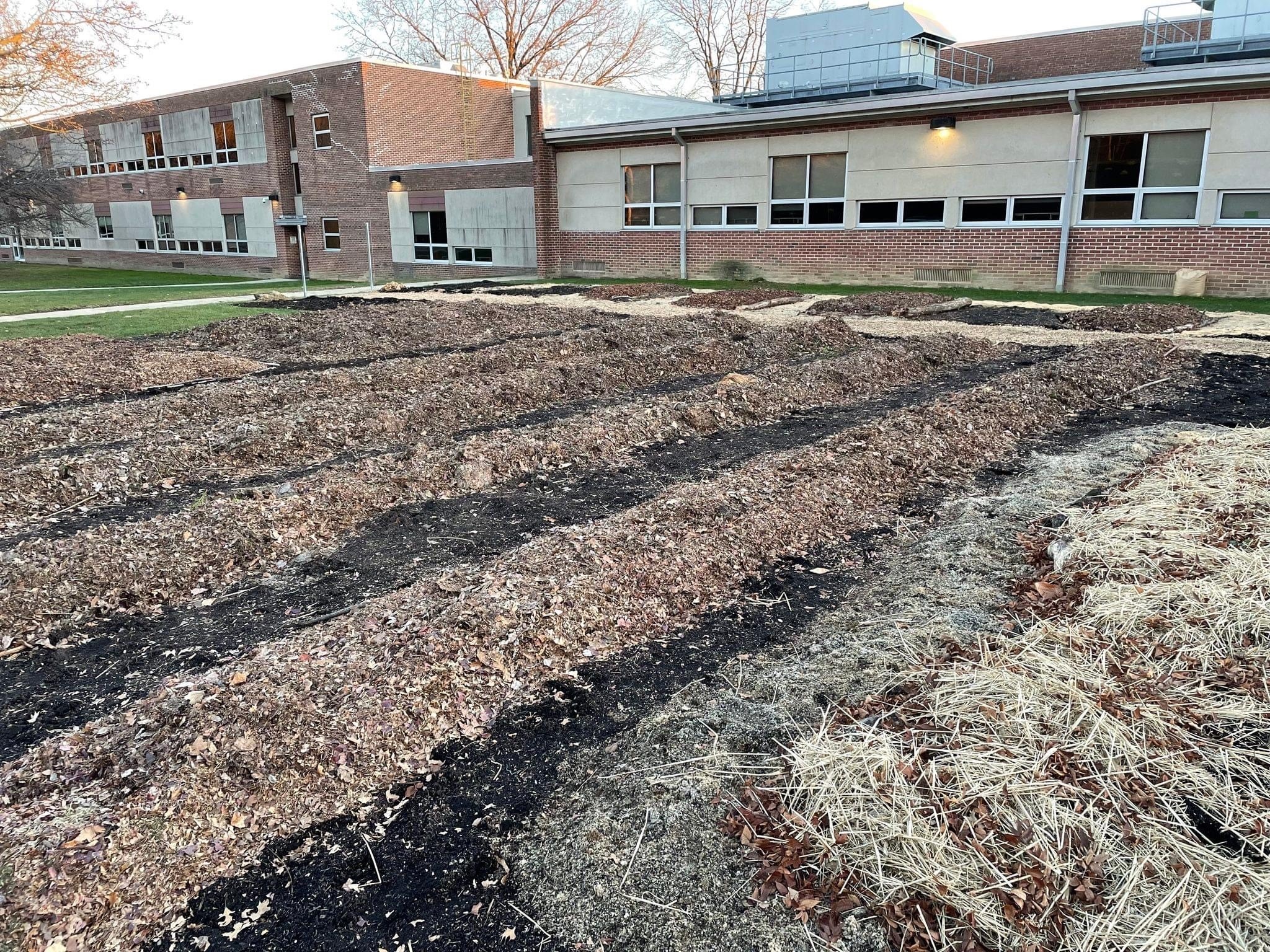
One of these gardens is at Columbia High School’s Hill Campus. Since receiving the grant last year, the organization has been able to develop and expand space behind the school.
“This takes learning outside of the typical classroom environment,” said Kendall Pankake, the Principal of the Hill Campus. “Our younger and older students have enjoyed being a part of building the garden from the ground up.”
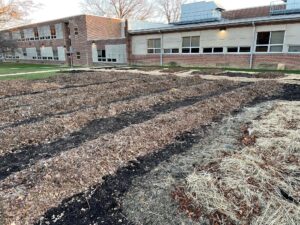
Students from Columbia High School’s Hill Campus expanded and cultivated this garden behind the school with funding from PPL.
The program’s success has sprouted a future full of opportunities. The Edible Classroom is looking at options to both amplify its involvement with the schools it currently serves, while looking forward to the possibility of expanding to other schools and districts.
“We’re so thankful for the funding from PPL because we believe so deeply in the value of the work we’re doing,” Horst said. “We see the ripple effect of growing food in so many areas – it’s the growing, eating, amending soil, the environmental impacts and tying in the community. The investment has helped make a mark, and we look forward to deepening that investment and making it more beneficial for the schools and the communities.”
The Edible Classroom’s goals are at the root of our Empowering Community grants. We strive to help those who help others, and through the power of education, the seeds of community are being planted in Lancaster County.