Dec 5, 2025 | Energy Efficiency, Safety and Security
The cold weather season is here. Colder temperatures can cause higher demand for electricity. We work year-round to maintain and improve our infrastructure, and we will be ready to serve our customers regardless of the conditions.
We always encourage our customers to be ready for any severe weather, especially during cold temperatures. If you haven’t prepared for these next few months, the best time to prepare is now.
Here are some ways you can stay safe and, when appropriate, save energy.
Safety first
We encourage customers to sign up for alerts at pplelectric.com/alerts. You can customize these alerts based on your preferences. If an outage occurs, you can get alerts and updates at pplelectric.com/outage. We also encourage signing up for local emergency alerts and staying tuned to weather forecasts throughout the season.
- Prepare an emergency kit: Your kit should include non-perishable food, water, medication, first-aid supplies and any pet supplies you may need. Be sure to include batteries and battery-operated flashlights. Store your kit in one location, preferably in an airtight container.
- Space heaters: Use space heaters sparingly, and only when needed. Do not plug into extension cords or power strips. Leave plenty of space between your heater and any nearby objects and keep them on a level surface away from flammable objects and walking paths. Don’t leave unattended or use while sleeping.
- Electric blankets and heating pads: Make sure to inspect these devices before each use to ensure there is no damage. Do not place other objects or blankets on top of electric blankets while in use. Do not tuck an electric blanket into the mattress and never leave these devices unattended or use them while you are sleeping.
- Generators: If you must use a generator, read and follow the manufacturer’s guidelines for operation and pay attention to any warnings. This includes making sure you use the proper fuel for the generator and only add fuel when the generator is cool. Make sure to inspect the generator before each use to ensure it’s in good, working order. Your generator should never be used in an enclosed area or placed inside a home or business. Keep away from windows and vents that could allow carbon monoxide to sneak inside and make sure your home has working battery-operated carbon monoxide detectors.
In the event of an outage:
- Avoid using candles for lighting because they can start fires. Use flashlights instead.
- Avoid opening your refrigerator and freezer as much as possible.
- Do not use gas ovens or ranges to heat your home.
- Unplug sensitive home electronics. Turn off ovens and space heaters that may have been on when the outage occurred.
- In the event of an emergency during an outage, call 911.
Energy-saving tips
Even during extreme cold, you can still save energy and money with these tips:
- Cover drafty windows: Roll up a towel or blanket for the bottom of drafty exterior doors. If possible, add caulking or weather stripping to seal air leaks around doors and windows.
- Let warm air flow: Make sure that rugs, drapes and furniture are not blocking airflow to and from heating registers, radiators or baseboard heaters. Rooms will have better circulation, and it will allow your system to work as intended, using less energy.
- Bundle up: Use extra blankets or wear extra clothes. You can save up to 1% in heating costs for every degree you dial back your thermostat, according to the Department of Energy.
- Mind your fireplace: Keep your fireplace damper closed unless a fire is burning. Having the damper open is like having a window in your home wide open, as it allows warm air to escape through the chimney.
- Use nature’s heater: Allowing the sun to shine in through your windows during the day can keep your home warmer. When the sun goes down, be sure to close the drapes to reduce heat loss through windows.

Dec 5, 2025 | Safety and Security
The holidays are a time for friends, family and appreciating all we have to be thankful for.
And nothing shows you care more than keeping those you love most safe throughout the season, right?
It can be a busy time of year, but don’t forget to make safety — especially electrical safety — a top priority when decorating your home. Here are 8 tips to keep your season merry, bright and safe.
- Check the halls before you deck the halls. Throw out any damaged light strands and replace them with LED bulbs. Check wall sockets, wires and connections to make sure they’re in good, working order. If you find a problem, contact a professional, certified electrician.
- Place decorations and trees at least three feet from heat sources like fireplaces, portable heaters, radiators and candles. If using candles, blow them out when you leave the room or go to sleep.
- Inspect your cords to make sure they’re marked for proper use. Use plastic or insulated clips to secure your cords. Avoid using nails, screws or tacks. Avoid running extension cords under rugs or in high traffic areas.
- If you have a natural tree, water it frequently to keep it fresh. The heat from incandescent bulbs can ignite a dry tree. If you have incandescent bulbs, consider switching to more energy-efficient LED bulbs.
- Be mindful of your electrical load. While some of us may enjoy big, beautiful and bright displays, overloading can cause fires. Follow manufacturer guidelines for how many sets of lights can be safely connected to your outlets and extension cords.
- When decorating outdoors, always carry ladders parallel to the ground and look up for power lines before setting up your ladder.
- Always hang your decorations during daylight hours.
- At night, make sure to turn your holiday lights and decorations off before leaving home and going to bed.
Don’t let something preventable steal your holiday cheer. Whether you are just getting ready to decorate — or if you already have — keep these tips in mind to stay safe and merry this season.

Sep 1, 2025 | Storms and Outages
As we enter September, a month dedicated to preparedness, it’s a good time to review how we can best protect ourselves, our loved ones and our community from unexpected emergencies. National Preparedness Month is a reminder that disasters can strike at any time, and being ready can make all the difference.
While we do many things throughout the year to stay prepared for storms and emergencies, we encourage you to do the same.
As your Partners in Power, we’re committed to working together to keep you safe and connected – no matter the weather. Here’s how you can get ready, stay connected and stay safe — before, during and after a storm:
Get prepared:
- Create an emergency plan and discuss what your family would do in different scenarios, such as a power outage, severe weather or other disasters. Identify a meeting place, ensure everyone knows how to contact each other and practice your plan regularly.
- Prepare an emergency kit with food, water, medication, flashlights and pet supplies.
- Charge your phones and devices.
- Make alternate plans if you have a medical condition that requires electricity.
- Purchase power strips with lightning arresters or surge protectors for your appliances and electronics.
- Consider installing lightning rods on your property.
- Review your insurance coverage to make sure it reflects your family’s needs in the event of storm damage.
Stay connected:
- Sign up for local emergency alerts and monitor weather forecasts.
- Report power outages online at pplelectric.com or text “Outage” to TXTPPL (898775).
- Sign up for alerts to stay connected and receive outage updates at pplelectric.com/alerts.
- Check the status of an outage and estimated restoration times at pplelectric.com/outage.
- Follow us on social media for the latest storm and restoration updates.
Stay safe during and after storms:
- Stay away from utility poles and metal conductors.
- If you encounter a downed wire at any time, assume it’s energized and stay away. Report it immediately to PPL Electric.
- Avoid using appliances or electronics plugged into outlets, since electric and plumbing equipment may carry lightning current.
- If using a portable generator during a power outage, never operate it in an enclosed area, like a garage, where deadly carbon monoxide fumes could accumulate.
- Use flashlights instead of candles to prevent fires.
- If you lose power, turn off any appliances that were on when the power went out.
- For your safety and ours, please keep a safe distance from our crews.
How we prepare
At PPL Electric Utilities, we work year-round to strengthen and modernize our grid so it’s ready when storms strike.
We monitor the health of the system through helicopter and drone inspections, and we use sensors and infrared technology to identify needed upgrades and repairs.
We’ve also developed industry-leading smart grid technology that reduces the number of customers affected by outages and automatically reroutes power around trouble spots. Since 2015, more than 3 million outages have been avoided thanks to our smart grid technology. And because trees are the leading cause of outages during storms, we trim and manage vegetation along thousands of miles of power lines each year.
Other reliability improvements include:
- Upgrading power lines and poles with stronger, storm-resistant materials.
- Adding more automated sensors for faster fault detection and restoration.
- Deploying predictive sensors to identify issues before outages occur.
- Installing avian guards and lightning protection along transmission lines.
Storm preparation and response
We monitor weather forecasts daily and plan days ahead when severe weather is expected. As storms approach, we activate storm teams with extra personnel in the field, control centers and customer service. Crews may move to 16-hour shifts for around-the-clock coverage. We dispatch resources across our 29-county service territory to respond as safely and quickly as possible.
When storms cause outages, we follow an established restoration process. Critical facilities like hospitals are restored first. Then we repair lines that bring power back to the largest number of customers, followed by smaller neighborhoods, individual homes and businesses.
Sep 18, 2024 | Safety and Security, Storms and Outages
September is Emergency Preparedness Month, and there’s no better time to make sure you and your family are ready for the unexpected. When disaster strikes, having a well-stocked emergency kit can make all the difference.
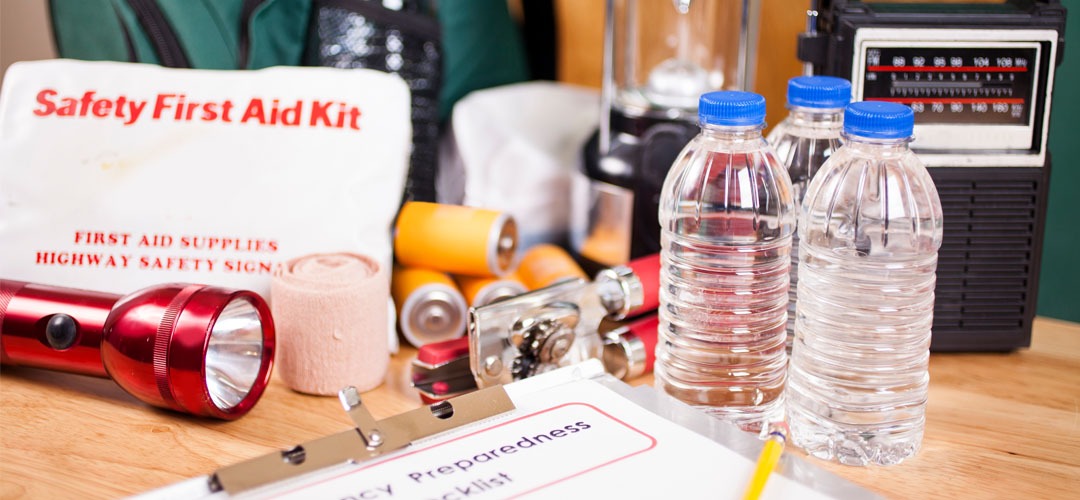
Kit Essentials
1. Flashlights and Batteries
Make sure you have flashlights for everyone in your family and plenty of extra batteries. Flashlights are safer than candles, which can be a fire hazard. Keep a flashlight in each room so you don’t have to search for one in the dark.
2. Food and Water
You’ll want to have enough food and water to last at least three days. Choose non-perishable foods like canned goods and granola bars—things that don’t need to be refrigerated and don’t forget to include a manual can opener. For water, plan on having one gallon per person per day. That’s enough for drinking and basic hygiene.
3. First Aid Kit
Accidents can happen. Be sure to have a first aid kit that includes bandages, antiseptic wipes, and any prescription medications your family might need. It’s also a good idea to have some over-the-counter medicines like pain relievers and allergy medicine.
4. Battery-Powered or Hand-Crank Radio
Staying informed is important during an emergency. A battery-powered or hand-crank radio will help you stay informed. Make sure you have extra batteries for the radio, too!
5. Blankets and Warm Clothing
Be prepared for various seasons and temperatures. In winter, you’ll need to stay warm. Keep extra blankets, sleeping bags, and warm clothing like hats and gloves in your kit. Even in warmer weather, a cozy blanket can make a tough situation more comfortable.
6. Hygiene Items
Staying clean is important, even during an emergency. Pack some hand sanitizer, wet wipes, and basic hygiene items like toothpaste, toothbrushes, and deodorant. If you have babies or young children, don’t forget diapers and baby wipes.
7. Important Documents
It’s a good idea to keep copies of important documents in your emergency kit. This could include things like insurance policies, birth certificates, and a list of important phone numbers. Store them in a waterproof container to keep them safe.
8. Portable Phone Charger
You’ll want to stay connected, so make sure you have a portable phone charger in your kit. Keep it charged and ready. Putting It All Together
Once you’ve gathered everything, store your emergency kit in a large, sturdy container like a plastic bin or a duffle bag. Keep it in a place that’s easy to reach and let everyone in your family know where it is.
That’s it! With your emergency kit ready to go, you’ll be prepared for anything. Stay safe, and let’s be ready for whatever comes our way!

Dec 1, 2023 | Safety and Security
Safety for our employees at work and safety for our customers is our priority. Throughout the year, we host a variety of programs to encourage safe practices, including presenting theater performances for children, hosting a traveling safety exhibit and publishing a children’s book.
This time of year, as we adorn our communities and homes with colorful lights and cheerful decorations, it’s important to keep safety in mind. According to the United States Consumer Product Safety Commission, there are 160 decorating-related injuries every day during the holiday season.
We’ve put together a list of eight simple tips to help you stay safe and jolly:
- Decorate by daylight – Always hang decorations during daylight hours.
- Care for your cords – Keep your cords clean and unharmed. Use plastic or insulated clips to secure your cords instead of nails, screws or tacks. Make sure all outdoor cords and plugs are weatherproof.
- Look for damage – Throw out any damaged light strands and replace them with LED strands. Check wall sockets, wires and any loose connections.
- Lighten the load – Be mindful of your electrical load. Follow manufacturer guidelines for how many sets of lights can be safely connected to your outlets and extension cords.
- Ladder matters – Always carry ladders parallel to the ground and look up for power lines before positioning your ladder.
- Space it out – Place holiday trees, candles and decorations at least three feet from fireplaces, portable heaters, radiators, heat vents and candles. You, your decorations and your equipment should always be at least 10 feet from power lines.
- Night’s out, lights out – Turn off your holiday lights and decorations before leaving home and prior to going to bed.
- Direct traffic – Avoid running extension cords under rugs or in high traffic areas.
The holidays are meant to be merry and bright, and we want you to spend these moments with those who mean the most to you. Following these tips will help keep you safe and keep your focus on the season.