Sep 1, 2026 | Safety and Security
Get prepared with our Emergency Preparedness Guide.
September is National Preparedness Month, a time to think about how we can protect ourselves, our families and our communities when unexpected emergencies happen. Whether it’s a severe storm, a power outage or another type of emergency, being prepared can make all the difference.
At PPL Electric, preparedness is something we focus on all year long. We strengthen and modernize the energy grid, monitor the health of the electric system, use technology to identify needed repairs and invest in smart grid technology that can automatically reroute power around trouble spots. We also closely monitor weather forecasts and prepare additional crews and resources when severe weather is expected so we can respond safely and efficiently when outages occur.
We work year-round to prepare for storms and emergencies, and we encourage our customers to do the same. National Preparedness Month is the perfect reminder to review your plans, refresh your supplies and make sure you know how to stay informed.
Create an Emergency Plan
One of the most important things you can do before an emergency is create a plan. When a storm or power outage happens, it’s much easier to stay calm and focused if you’ve already thought through what your family will do. Knowing where to go, who to contact and what supplies you’ll need can help keep everyone safe.
Start by talking with your family about different scenarios, such as severe weather, extended power outages or other emergencies. Identify a meeting place, make sure everyone knows how to contact one another and practice your plan regularly.
As you build your plan, ask yourself:
- Does everyone know who to contact if an emergency happens while family members are in different locations?
- Does everyone know where to meet if communication is difficult?
- Have you planned for the needs of children, pets or family members with medical conditions?
- Do you have enough supplies to get through several days if services are disrupted?
- Does everyone know where to find emergency information and updates?
It’s also a good idea to keep a paper copy of important contacts. If your phone battery dies or cell service is unavailable, you’ll still have access to the numbers you need.
Even if your family already has an emergency plan, September is a great time to review it and make sure it still meets your current needs. Families change, and your preparedness plan should change with them.
Assemble an Emergency Kit
A well-stocked emergency kit can help your family stay safe and comfortable during an emergency. Experts recommend having enough supplies to last at least three days.
Your emergency kit should include:
Food and Water
Store enough non-perishable food and water for every member of your household. Foods such as canned goods, granola bars and other shelf-stable items work well. Don’t forget a manual can opener if you’re storing canned food. Plan for approximately one gallon of water per person per day.
Flashlights and Batteries
Keep flashlights available throughout your home along with extra batteries. Flashlights are a much safer option than candles, which can create a fire hazard during a power outage.
First Aid and Medications
Include a first aid kit with bandages, antiseptic supplies and any prescription medications your family may need. You may also want to keep common over-the-counter medicines on hand.
Communication Tools
A battery-powered or hand-crank radio can help you receive important news and weather updates if internet or cellular service is limited. A portable phone charger is also a valuable addition to any emergency kit.
Clothing and Comfort Items
Pack blankets, warm clothing and other seasonal items that may be needed if temperatures change. Emergencies can happen at any time of year, so plan accordingly.
Hygiene and Personal Care Items
Include basic hygiene supplies such as hand sanitizer, wet wipes, toothpaste and toothbrushes. Families with infants or young children should also pack diapers and baby wipes.
Important Documents
Store copies of important documents, insurance information and emergency contact lists in a waterproof container. Having quick access to these documents can be extremely helpful during an emergency.
Once your kit is assembled, place everything in a sturdy container and store it somewhere that is easy to access. Make sure everyone in your household knows where it is located.
Stay Informed and Stay Connected
During an emergency, information is one of your most important tools. Staying informed can help you make good decisions, stay safe and know what to expect.
Before severe weather arrives, sign up for local emergency alerts and pay close attention to weather forecasts. Charge phones and other devices and keep backup charging options available.
PPL Electric customers can also stay connected in several ways:
- Report outages online at pplelectric.com, via the PPL Electric mobile app or by texting “Outage” to TXTPPL (898775).
- Follow PPL Electric on social media for storm preparation, outage and restoration updates.
It’s also a good idea to keep a battery-powered radio nearby and maintain a written list of important phone numbers in case electronic devices become unavailable.
Preparedness Starts Today
Emergencies rarely happen when it’s convenient. That’s why National Preparedness Month serves as an important reminder to take simple steps today that can make a big difference tomorrow — create an emergency plan, build an emergency kit and stay informed.
Preparedness isn’t about expecting the worst — it’s about being ready for the unexpected. The more prepared you are today, the more confident and resilient you’ll be when challenges arise.

Aug 11, 2026 | Reliability
When the lights come on with the flip of a switch, most people don’t think about the miles of equipment working behind the scenes to deliver electricity safely and reliably – 47,000 miles to be exact. We’re making significant investments across our service territory to strengthen that system and help reduce outages, especially during severe weather.
Why we’re making these improvements
Pennsylvania experiences its share of challenging weather. Strong winds, lightning, ice, heavy rain and falling trees can damage electric equipment and cause power outages. That’s why we’re strengthening our electric grid to make it more resilient and easier to restore when storms occur.
Our goal is simple: provide more reliable electric service for the customers and communities we serve by reducing outages, limit the number of customers affected and restore power faster when an outage does occur.
What we’re doing
Across central and eastern Pennsylvania, we’re making targeted improvements to the electric system that delivers power to homes and businesses. Depending on the needs of each community, this work may include:
- Installing smarter technology: We’re expanding smart grid technology to quickly detect problems, isolate outages and reroute electricity when possible. In some cases, power can be restored in under 5 minutes.
- Upgrading poles, wires and equipment: Older equipment is being replaced with stronger, more modern materials designed to better withstand high winds, ice and other severe weather conditions.
- Creating more flexibility in the grid: We’re adding connections between power lines so electricity can be rerouted during outages. This can reduce the number of customers affected when problems occur.
- Placing some lines underground: In locations where it makes sense, we’re moving certain overhead power lines underground. This can help reduce storm-related damage and improve reliability in those areas.
- Improving access to electric equipment: We’re relocating some equipment to safer, easier-to-reach areas. This can help crews restore power more safely and efficiently when outages occur.
What you may see
As this work moves forward, customers may notice utility crews and specialized equipment working along roads or within utility rights-of-way. Temporary traffic controls, signs or work zones may also be present. In some areas, customers may see upgrades to poles, wires or underground equipment.
We’ll continue working to minimize impacts on local communities and the environment while completing this important work as safely and efficiently as possible.
How these investments benefit you
These projects are designed to deliver long-term value by:
- Improving everyday reliability
- Helping prevent outages during severe weather
- Reducing the number of customers affected when outages occur
- Restoring power more quickly after storms
- Supporting future growth and development across our region
Reliable electricity powers nearly every aspect of our daily lives. That’s why we’re continuing to invest in a stronger, smarter and more resilient electric grid.
These improvements are part of our ongoing commitment to deliver safe, reliable service today while preparing for the needs of tomorrow. Learn more about our reliability work.

Sep 1, 2025 | Safety and Security
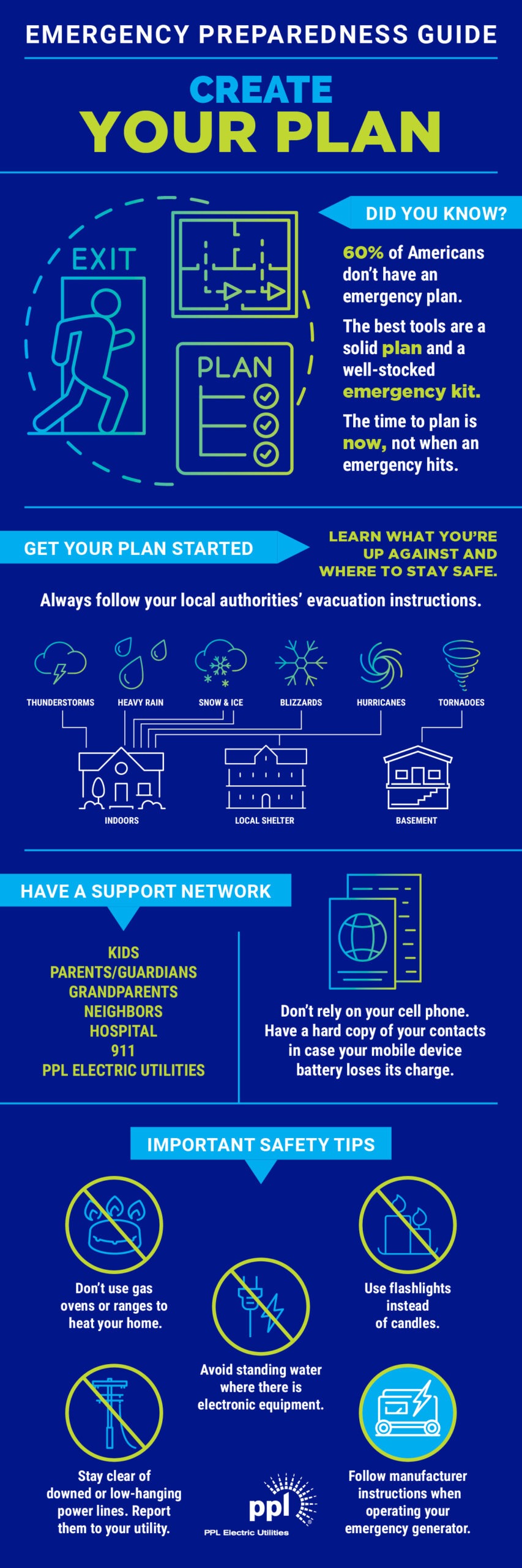
National Preparedness month is a great time to create and review your emergency plan so your family knows what to do during an emergency.
Does your family have a plan in case of a natural disaster or another emergency? You might be surprised to learn that many Americans still don’t.
We take steps every day to keep our loved ones safe. We childproof our homes, buckle up in the car and install smoke detectors. But are we truly ready for an emergency, like a power outage or a severe storm?
What would your family do if the power went out for several days? Do you have enough food, water and other supplies? Every family’s needs are different, and your plan should reflect that. For example, families with young children, pets or someone with medical needs may require extra planning.
Why planning matters
Having a plan in place before an emergency hits can make all the difference. It’s much easier to stay calm and focused when you’ve already thought through the details. Knowing where to go, who to contact and what to have on hand will help you keep your loved ones safe.
National Preparedness Month is a great time to review and update your emergency plan. Even if you already have one, check to make sure it still matches your family’s current needs.
Get started on your plan
If you don’t have a plan yet, now is the perfect time to create one. Ask yourself:
- Does everyone know who to contact and where to go if an emergency happens when you’re not home?
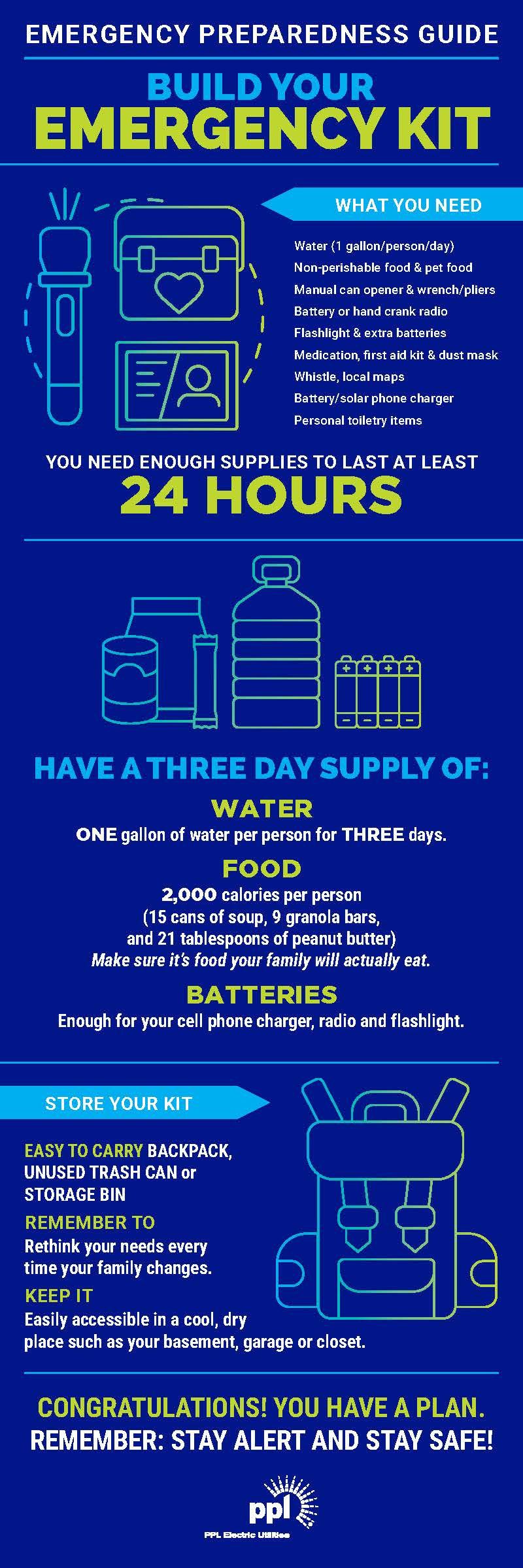
- Do you have an emergency kit with enough supplies for at least three days?
- Does everyone know how to stay informed with the latest news?
- Do you have backup power options, like a generator or battery packs, if an outage lasts longer than expected?
Resources to help you prepare
We’ve gathered essential information from trusted sources like FEMA, the U.S. Department of Homeland Security, the Red Cross and the U.S. Department of Health & Human Services. Our guide combines their best practices into one convenient place, making it easier for you to review and follow.
Key tips:
- Keep a paper copy of your emergency contacts: If your phone dies, you’ll still have access to important numbers.
- Use our checklist to build your emergency kit: It’s designed with all the details you need to be ready.
- Teach your kids what to do in an emergency: Help them stay calm and know what to expect.
Check out the infographics below for more detailed guidance on building your emergency kit and preparing your family.
National Preparedness Month is a reminder to make or update your emergency plan. Being ready helps protect not just you, but everyone who depends on you.

Sep 1, 2025 | Safety and Security
Now is the perfect time to make sure you and your family are ready for the unexpected. When emergencies happen, having a well-stocked kit can make a stressful situation easier and safer.
Kit essentials
1. Flashlights and batteries
Have flashlights for everyone in your family and plenty of extra batteries. Flashlights are safer than candles, which can be a fire hazard. Keep one in each room so you’re not searching in the dark.
2. Food and water
Plan for at least three days’ worth of food and water. Stick with non-perishable items like canned goods, granola bars, or dried fruit, and don’t forget a manual can opener. For water, store at least one gallon per person per day for drinking and basic needs.
3. First aid kit
Be ready for minor injuries. Stock bandages, antiseptic wipes, and any prescription medications your family needs. Adding common medicines like pain relievers, cold medicine, and allergy medicine is also helpful.
4. Battery-powered or hand-crank radio
Information is critical during an emergency. A portable radio can keep you updated if the power is out. Be sure to have extra batteries on hand.
5. Blankets and warm clothing
Weather can be unpredictable. Keep extra blankets, sleeping bags and warm clothing like hats and gloves in your kit. Even in summer, a blanket can add comfort.
6. Hygiene items
Good hygiene keeps you healthier in tough times. Include hand sanitizer, wet wipes, toothpaste, toothbrushes, deodorant and other basics. If you have babies or small children, add diapers and wipes.
7. Important documents
Make copies of key documents such as insurance policies, medical information and birth certificates. Store them in a waterproof container along with a list of important phone numbers.
8. Portable phone charger
A portable charger will help you stay connected. Keep it charged so it’s ready when you need it.
9. Cash in small bills
In some emergencies, ATMs and card readers may not work. Having cash on hand — especially small bills — can help you buy supplies or fuel when electronic payments aren’t available.
Putting it all together
Once you’ve gathered your items, store them in a sturdy container like a plastic bin or duffle bag. Keep the kit in an easy-to-reach spot, and make sure everyone in your household knows where it is.
With your emergency kit ready, you’ll have peace of mind knowing you’re prepared for the unexpected. Stay safe, and be ready for whatever comes your way!

Sep 1, 2025 | Safety and Security
Staying informed during emergencies helps you make the best decisions for your family and keep everyone safe.
We’ve made it simple to stay connected and access the information you need when severe weather is in the forecast. Here are some reliable ways to stay updated during storms and outages:
Report or check outage status
If your power goes out, report it by texting “Outage” to TXTPPL (898775), visiting pplelectric.com/outage, or calling 1-800-342-5775.
Stay connected
Set your alert preferences at pplelectric.com/alerts to receive real-time updates on your power status. Choose text, email, phone call, or a mix of all three. You can update your settings anytime to fit your needs.
Monitor our interactive outage map
Check our Outage Map to see current outages, affected areas and estimated restoration times in your community.
Connect with us on social media
Follow us on X (Twitter), Facebook and Instagram for the latest outage updates, safety tips and news. Social media can also help you connect with neighbors and your community during widespread outages.
Keep your devices charged
Smartphones and tablets are lifelines during emergencies. Fully charge your devices before storms and consider a portable charger for backup power.
Power tip: Turn on battery-saver mode and lower your screen brightness to stretch your battery life.
Have a battery-powered or hand-crank radio
Radios can provide reliable updates when cellular networks are down. Tune in to local stations for weather alerts and emergency instructions. Don’t forget to keep extra batteries in your emergency kit.
Create an emergency contact list
Keep an updated list of important numbers, including utilities, emergency services, medical providers and family contacts. Store a printed copy in a waterproof container in your emergency kit and keep another copy in your car.
Enable weather alerts on your phone
Most smartphones can receive Wireless Emergency Alerts (WEA) for severe weather, flooding and other local emergencies. Make sure these alerts are turned on in your settings so you never miss critical information.
Be prepared, stay connected, stay safe
By following these steps, you’ll be ready to stay informed and connected during unexpected outages. A little preparation now can make a big difference when extreme weather strikes.