
Nov 19, 2015 | Energy Efficiency
Your holidays should be memorable for all the right reasons – visits with family and friends and the continuing of beloved traditions – but not for the size of your energy bill.
We all know the year-end holidays can be a time of heavy electricity use, especially if you’re entertaining or decorating. These seven tips from PPL Electric Utilities can help you keep your usage and your costs under control.
1. Get the LED out. Whether you’re using them in living room lamps or holiday decorations, LED bulbs use up to 75 percent less energy than conventional bulbs and last up to 20 times longer. Make this the season to switch to LEDs, if you haven’t already. (If your holiday decorations are wearing out and showing their age, a new set of LEDs may also be safer.)
2. Stay warm – and smart. Heating accounts for more than 30 percent of a typical home’s energy bill – the largest single cost. Set your thermostat at 68 degrees for energy savings, and use a programmable thermostat to lower it overnight or when no one is home. And remember: Cranking up the thermostat won’t make your house warm up faster, since your heating system runs at the same rate, regardless of the temperature setting.
3. STAR power. If you’re buying electronics as a holiday gift, or updating your own appliances, look for devices with the ENERGY STAR® label. These are the most energy-efficient models available. To learn more about ENERGY STAR-rated products, visit www.energystar.gov.
4. Don’t peek. The pie’s doing fine. Your oven temperature could drop by 25 to 50 degrees when you open the door, forcing the oven to work harder and produce more heat. So keep those glimpses few and far between.
5. Scrub now, save later. Keep oven surfaces and drip pans as clean as possible. A clean stove and oven will heat efficiently; a dirty stove and oven will use more energy than necessary to reach the desired temperature. Speaking of which …
6. A keen time to clean. …got a self-cleaning oven? Start it right after you’re done baking. Self-cleaning ovens reach temperatures of 850 degrees, and the heat already in the oven can give them a head start. (Just make sure to take the cookies out first.)
7. Slow and low. Slow cookers and microwaves are energy-efficient alternatives to firing up the oven. During the holidays, look for recipes that take advantage of these appliances. Use them for quick, easy weeknight meals.
More energy-saving tips for homes and businesses are available in the Save Energy & Money section of our website.

Aug 27, 2015 | Energy Efficiency
It’s back-to-school season – time to make sure you have bookbags, lunch boxes and other supplies needed for a successful return to school.
It’s also worth taking time in advance to check out the space where your kids will be doing their homework.
While we’ve all pressed the kitchen table into double duty from time to time, kids should ideally have a separate place to work that’s well-lit, comfortable and free from distractions.
But “well-lit” doesn’t have to mean “energy hog.” Here are tips to save energy in your kids’ homework spaces, as well as other parts of your house:
- Switch to light-emitting diode bulbs where possible. LEDs use up to 75 percent less energy and last up to 20 times longer than traditional incandescents. Because they’re so energy-efficient, LEDs can save you up to $135 over the life of the light bulb.
- When buying new lighting fixtures or bulbs, look for the ENERGY STAR® label. They are the most energy-efficient on the market.
- Keep light bulbs clean. Dirt can absorb up to 50 percent of the light.
If your child has a computer in his or her homework area, make sure the “sleep” mode is enabled. The computer will switch automatically to a low-energy mode when they are away, cutting energy usage by more than half. And, for extra credit, remind your child to turn off the computer when they’re done using it.
Our website features many more tips to help you get an A-plus in Energy Use 101 this year.
Aug 18, 2015 | Safety and Security
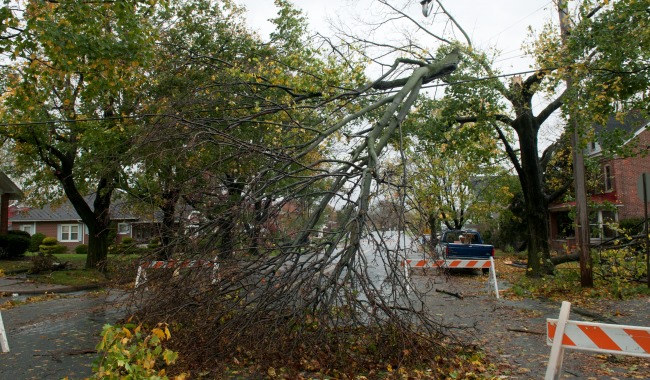
(Pictured above: A little bit of Hurricane Sandy’s storm damage, fall 2012.)
Hurricanes. They’re a drink in New Orleans, a college team in Miami, and a seasonal hazard all up and down the East Coast, especially starting this time of year.
The peak of activity for the Atlantic hurricane season usually takes place from mid-August to late October. These damaging storms don’t come this way too often, but when they do, they can cause a lot of problems.
September is National Preparedness Month, and that’s a worthy event. Still, you don’t have to wait until then to make sure you are ready for anything that might arise.
Take a look at our Project Envolve post for guidance on how to prepare a family plan that can help keep everyone safe and on the same page during a storm or other emergency.
As for us, we’re constantly monitoring the weather. If a serious storm threatens our service area, we’ll act well ahead of time to make repair crews and resources available to respond.
Take time to make a family emergency plan, prepare supplies and think about what you’d do if a major storm threatened your area. A little preparation today could make a big difference down the road.
Jul 31, 2015 | Safety and Security
Scammers are at it again – and this time, it looks like they’re trying to target our rebate programs.
Some customers say they’re getting calls from a person claiming to be with PPL. The caller says they have rebate checks for the customer that haven’t been sent out yet.
We don’t handle rebates that way. The companies that run these programs for us just process and send rebates at appropriate times. They don’t call customers as part of the process.
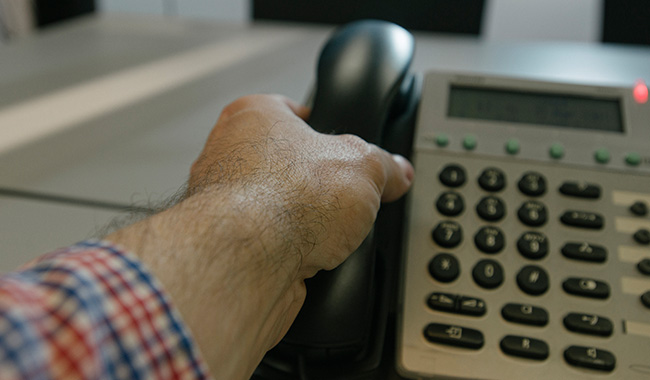
If you get one of these calls, hang up. Don’t provide your customer information or agree to make any payment in exchange for these phantom “rebates.”
If you participate in a rebate program and have a question about your status, you can always call us. Information on all our rebate programs – including appropriate contact numbers – can be found here.
Aug 18, 2014 | Energy Efficiency
Relax and kick back – you’re going on vacation! But don’t take a vacation from saving energy at home. While you’re lying on a beach or exploring a new city, your empty house is still using energy.
Here are some tips to help you save energy while you’re away:
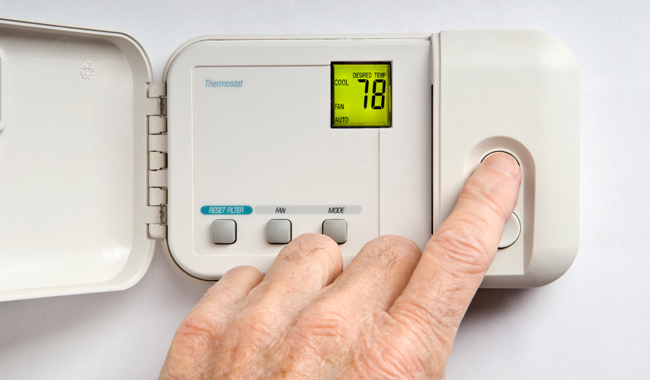
1. Change your thermostat: Set the thermostat temperature much higher than usual. No need to spend money to cool a home when you won’t be there, unless you have pets that will be staying behind.
2. Adjust your water heater: Turn down your water heater to “vacation” or “pilot” mode. Water heating can account for up to 25 percent of the energy consumed in your home, and a large percentage of this cost is to have hot water ready to use, according to ENERGY STAR.
3. Unplug your electronics: Even when your electronics and appliances are turned off, they still use small amounts of power. Unplug your computer, TVs, video game system, coffee maker, etc. Or if these items are plugged into Smart Strips, you can turn off the strip to power down everything at once.
4. Use automated timers: Set an automatic timer on a few lights instead of leaving a light turned on. Consider installing motion-activated lights outside your home. These lights turn on when there is movement near your home.
5. Be shady: Keep your window shades closed. Draw your curtains and close your blinds to shield the air inside your house from the sun. When you return home, let in the fresh air!
6. Turn off fans: Remember, fans cool people, not rooms. When you’re not home, be sure to turn off the fans.