Mar 4, 2025 | Safety and Security
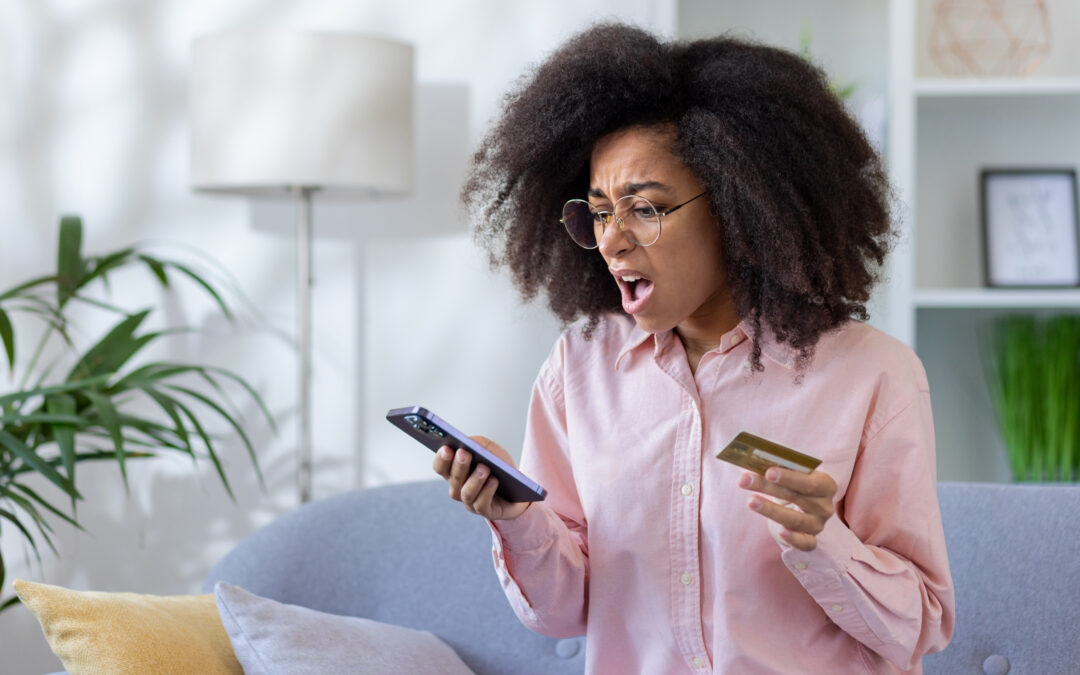
This National Consumer Protection Week, we want to help you stay informed and protect yourself from common scams targeting utility customers.
Scammers are constantly finding new ways to deceive, often through threatening phone calls, fake websites, fraudulent emails, and even by impersonating our employees. Remember, we’ll never demand immediate payment or ask for sensitive information over the phone or in person.
Common scams and how to protect yourself
We want to help you keep your information safe and stop scammers in their tracks. Being vigilant, staying informed and guarding your personal information are your best defenses.
📱 Phone scams
Threats of disconnection
- What happens: Scammers posing as utility representatives may call and threaten immediate service disconnection if you don’t make an immediate payment, often demanding payment via prepaid debit card.
- How to protect yourself: We will never demand immediate payment over the phone. If you receive such a call, hang up and go directly to pplelectric.com or call us at 1-800-342-5775 to check your account status. Never provide personal information to unexpected callers.
Spoofed caller ID
- What happens: Scammers can manipulate caller ID to make it appear as though we’re calling you. They may impersonate customer service and demand payment or ask for your personal information.
- How to protect yourself: Hang up and call us directly at 1-800-342-5775. Never rely solely on the number displayed on caller ID.
📧Email and text (SMS) scams
Phishing and fake links
- What happens: Scammers may send emails or texts claiming your bill is past due, with links leading to fake payment pages designed to steal your personal data.
- How to protect yourself: Never click links or download attachments from unexpected emails or texts. Always go directly to pplelectric.com to access your account securely.
👷 In-person scams
Impersonators at your door
- What happens: Scammers may pose as PPL Electric employees, claiming they need access to your meter or demanding immediate payment.
- How to protect yourself: Always ask for a photo ID. PPL Electric employees will have an official ID badge and will never demand payment in person. For added security, contact us at 1-800-342-5775 to confirm an employee’s identity.
⚠️ Know the signs of scams
- Slow down: Take your time. Scammers pressure you to act fast.
- Verify: Scammers call from what may look like our phone number or come to your door with what appears to be an employee badge. Call 1-800-342-5775 to verify it’s really us.
- Stop: We never demand immediate payment, and we do not accept cryptocurrency, prepaid cards or third-party payment apps.
- Look out for suspicious emails: Watch for typos, unrecognized email addresses and strange links.
- Be careful with links: Fake websites can appear in search results. Always access pplelectric.com directly rather than through a search engine, ad or third-party link.
If you suspect a scam
- Stop and think: Scammers use urgency to push you into a quick decision. Take a moment to assess the situation.
- Contact authorities: Report the incident to your local police department or the FTC.
- Report to us: Call 1-800-342-5775 to report the scam attempt.
- Spread the word: Sharing your experience may help protect others in your community.
Stay vigilant and stay informed
We’re committed to protecting our customers and work closely with law enforcement to address scam threats. Visit pplelectric.com/scams for more information, and follow us on Facebook, Instagram, LinkedIn, and X for the latest scam alerts and updates.
- Remember, we will never: Demand immediate payment through phone, email, or in person.
- Request personal financial information, such as credit/debit card or checking account numbers.
- Require payment using prepaid cards, gift cards, cryptocurrency, or wire transfers via third-party payment apps.
- Threaten to shut off your service unless immediate payment is made.
More information please visit pplelectric.com/scams
Jan 21, 2025 | Safety and Security
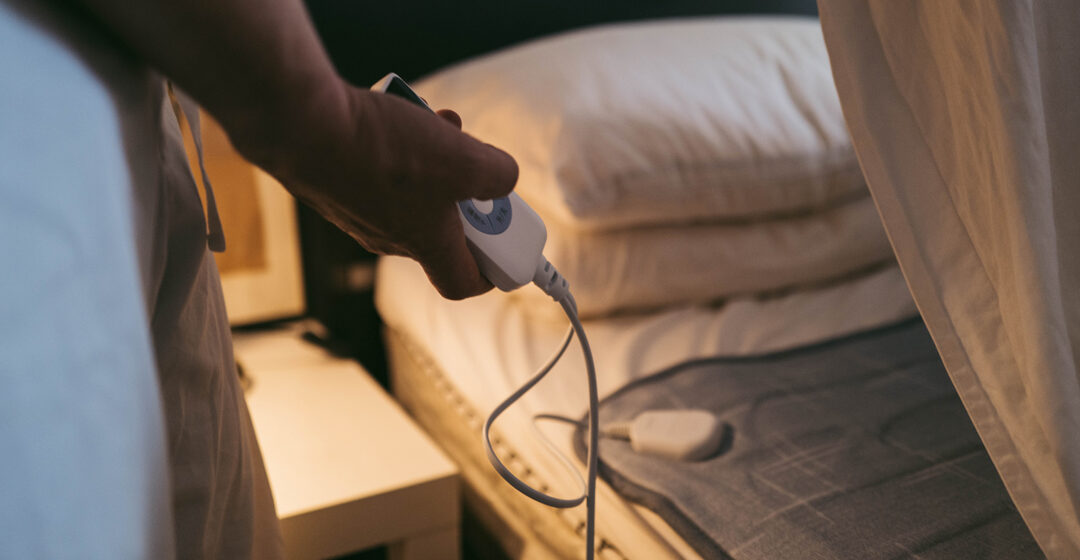
When temperatures drop, many of us reach for electric blankets and heating pads to stay warm and soothe cold-weather aches. While these devices offer wonderful comfort, using them safely is crucial. According to the Electrical Safety Foundation International (ESFI), approximately 500 fires are caused each year by electric blankets and heating pads. Below are tips for enjoying their warmth while keeping your home and family safe.
Essential Safety Guidelines
When using electric blankets and heating pads, remember that comfort should never compromise safety. Here are the key things to know:
Keep them separate. Electric blankets and heating pads serve different purposes, and they are designed for specific uses. Never layer them together or substitute one for the other – this creates a dangerous fire hazard.
- Before you plug in, inspect these devices before each use to ensure there is no damage. Examine the cord for fraying, exposed wires, or other damage.
- Check for any discolored or worn spots on the fabric.
- Ensure all controls and connections are secure.
Smart Use Tips
- Avoid layering: Never pile additional blankets or objects on top of an electric blanket.
- Keep it flat: Don’t tuck electric blankets into mattresses or fold them while in use.
- Stay alert: These devices should never be left unattended or used while sleeping.
- Mind the settings: Start with lower heat settings and adjust as needed.
- Remember: While the warmth is comforting, falling asleep with these devices can be dangerous. Set a timer if you’re worried about forgetting to turn them off and consider using them to pre-warm your bed instead of keeping them on all night.
By following these guidelines, you can safely enjoy the cozy comfort of electric blankets and heating pads throughout the winter months. Your safety is worth the extra attention to detail!
Dec 31, 2024 | Storms and Outages
We work each day to provide our customers with the safest, most reliable power possible with investments meant to create a stronger, smarter and more resilient electric grid. We also clear vegetation near our power lines, replace and upgrade aging equipment and install the latest grid technology.
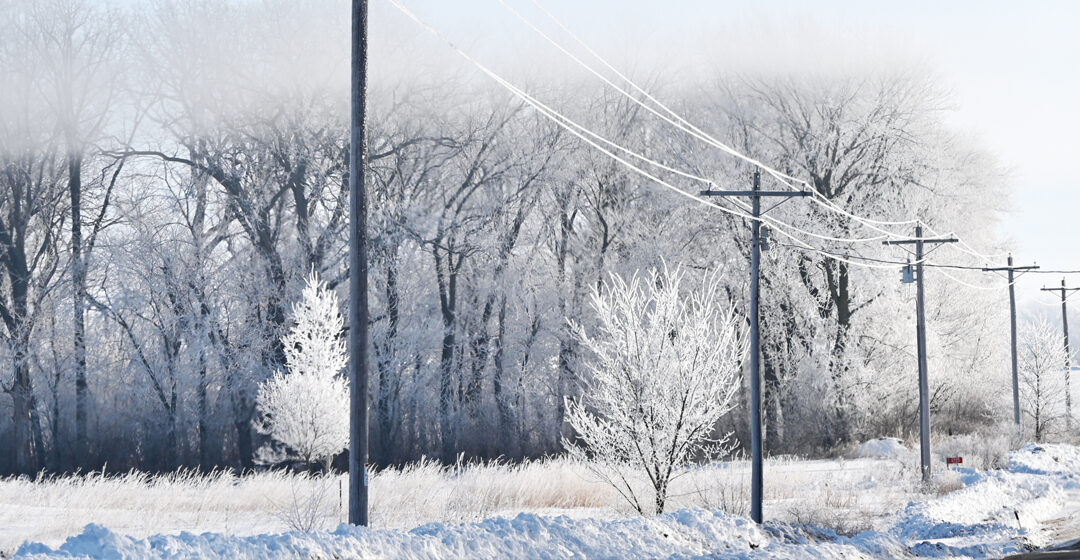
But even with the best preparation and information, storms and severe weather can cause damage and result in power outages. With the arrival of the winter season and the potential for ice and snowstorms that can cause outages, please take some time to make sure you’re prepared if you lose power.
Storm preparation
Here are some things you can do to be prepared:
- Make a plan: Whether at home or work, develop an emergency plan involving each person at your location so you’ll know how and where to meet, how you will contact each other and what to do in different situations.
- Be prepared: Prepare an emergency kit, including non-perishable food, water, medication, first aid supplies and any pet supplies you may need. Be sure to include batteries and battery-operated flashlights. Store your emergency kit in one location, preferably in an airtight container. Charge your phones and other devices before severe storms.
- Stay informed: PPL Electric Utilities uses several ways to communicate with customers before storms and during emergencies. Customers can sign up for alerts at pplelectric.com/alerts. Alerts can be customized based on your preferences, including phone, email, or text message. If an outage does occur, customers can get outage alerts and updates on our website at www.pplelectric.com/outage. Adjust alert preferences to receive a phone call, text or email at pplelectric.com/alerts to stay informed during a storm. Be sure to sign up for local emergency alerts and stay tuned to the weather forecast.
- Stay charged: When storms are in the weather forecast, charge your phones and other devices in advance of a storm so they are fully powered.
Power outage safety
If you lose power and experience an emergency situation, call 911. Follow these tips for staying safe during power outages:
- Don’t use candles. Avoid using candles for lighting because they can start fires. Use flashlights instead.
- Keep warm air in. Use your doors as infrequently as possible, and close off unoccupied rooms.
- Keep those doors closed: Avoid opening your refrigerator and freezer as much as possible.
- Don’t use ovens or ranges to heat your home.
- Unplug sensitive home electronics. Turn off ovens and space heaters that may have been on when the outage occurred.
- Keep generators far from buildings. Don’t operate them in confined spaces, such as garages.
- Stay away from any downed wires. Always assume fallen power lines are live and carry electricity. Report downed wires by calling 1-800-DIAL-PPL.
Winter energy savings
There are some easy, inexpensive things everyone can do to save energy and money during frigid temperatures.
- Leave your curtains and blinds open. During the day, capture the sun’s light and heat to gain warmth from the sun. At night, close your curtains and blinds to prevent that free heat from escaping.
- Prevent fireplace heat loss. Keep the damper closed when you’re not using your fireplace so warm air doesn’t escape through the chimney. Energy-efficient fireplace grates also help you save by pulling cool air out of your room and into the fireplace while bringing warm air back into the room.
- Reverse the direction of your ceiling fans. Yes, fans can also keep you warm. Flip the switch to change the direction of the blades so they spin clockwise and pull warm air downward.
- Winterize windows and doors. Inspect all your doors, windows and ductwork for gaps that could leak heat from your home. Many of these cracks and leaks can easily be fixed with caulk and weatherstripping.
- Adjust your thermostat. When you’re home and awake, set the heat as low as it feels comfortable. Aim for 68 degrees as an optimal temperature. Wearing warmer clothing or grabbing a blanket can help keep you cozy. While you’re sleeping or out of the house, lower the thermostat by 10 to 15 degrees. Lowering the thermostat for at least eight hours can save up to 10% on your heating bill. A programmable thermostat will make it even easier to save.
The winter can be unpredictable and unforgiving, but our team is always ready to respond, and our employees are committed to keeping you safe and warm this winter.
Additional Resources and Information
Dec 31, 2024 | Safety and Security, Storms and Outages
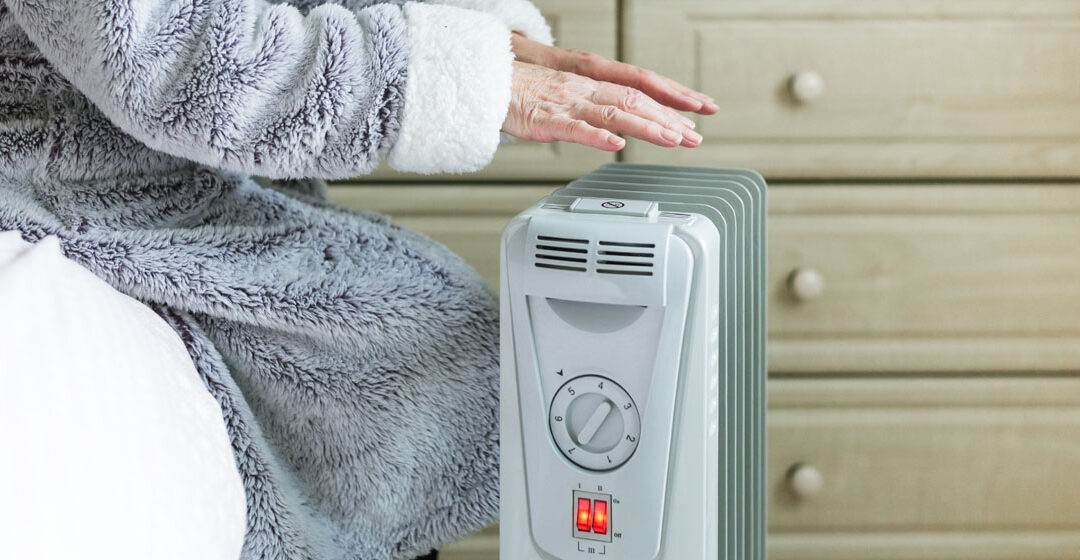
As temperatures drop, many people turn to space heaters for additional warmth in their homes, offices, and businesses. While these devices can provide added comfort, they must be used with caution. Be sure you follow proper safety guidelines to prevent accidents and ensure your space heater keeps you cozy without compromising safety.
Before You Buy
When selecting a space heater, keep these important factors in mind:
- Purchase only newer models that come equipped with current safety features, including automatic shut-off and tip-over protection switches.
- Look for the Underwriters Laboratory (UL) label, which indicates the heater meets essential safety standards.
Safe Operation Guidelines
To ensure safe operation of your space heater, follow these essential practices:
- Before first use, carefully read all instructions and warning labels that come with your heater.
- Inspect your heater before each use, checking specifically for cracked or broken plugs, loose connections, or frayed/damaged cords – if you notice any damage, discontinue use immediately.
- Position the heater on a level surface away from foot traffic, keeping it clear of furniture, curtains, and other flammable objects.
- Maintain vigilant supervision, especially around children and pets, who should always be kept at a safe distance from the heater.
- Never leave a space heater unattended – always turn it off when leaving the room or going to sleep.
Electrical Safety Essentials
Proper electrical connection is crucial for space heater safety:
- Always plug space heaters directly into wall outlets – avoid using extension cords or power strips.
- If you must use an extension cord (though not recommended), strictly follow the manufacturer’s instructions and use only heavy-duty cords rated for the power requirements of your heater.
- Never run heater cords under carpets or rugs, as this can create a fire hazard.
Remember, while space heaters can provide welcome warmth during cold weather, they require careful attention and proper usage to maintain safety. By following these guidelines, you can enjoy the comfort of your space heater while keeping your home and loved ones safe.
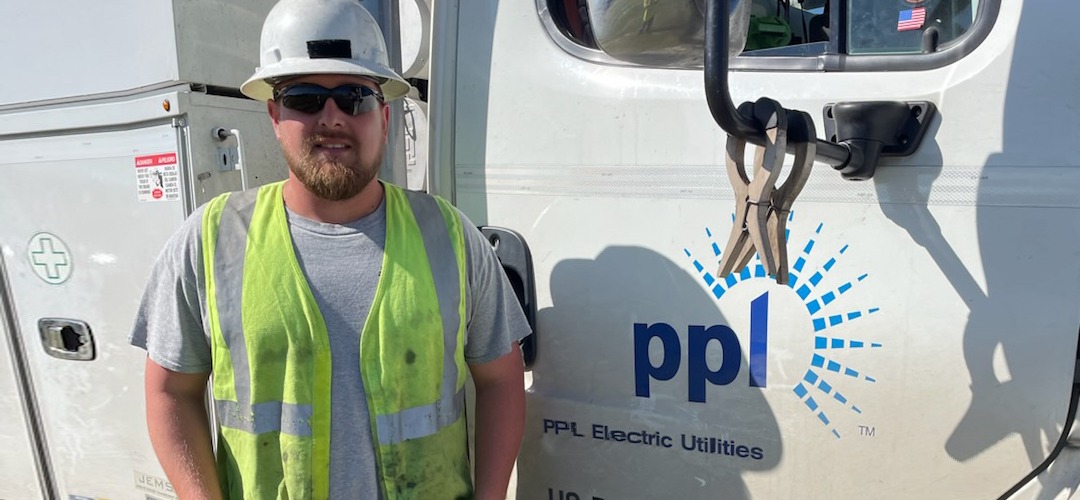
Oct 28, 2024 | Community Involvement
Our employees know nothing is more important than doing their jobs safely and looking out for the safety of others around them during the workday.
It’s that safety-first mindset that led lineworker Joe Keeney to take swift and decisive action when he noticed a building on fire while he was traveling to a work site earlier this year.
Keeney was on his way to the site of a power outage in Juniata County following a storm in August 2024 when he noticed a glow in the sky in the distance. As he got closer, he realized a garage was on fire.
Keeney immediately pulled over to a safe area and began looking for an address marker at the property so he could direct emergency responders to the location. When he couldn’t determine the address, he contacted a PPL dispatcher who was able to determine the address using a grid number that Keeney provided from a nearby pole.
While the dispatcher was calling 911 to get a fire crew to the property, Keeney made his way to the house to wake up the homeowners, who were grateful for assistance.
“He was as shocked as I was,” Keeney said. “I used my fire extinguisher to help keep the fire under control and the homeowner got a garden hose to spray water on it, which controlled it well.”
Firefighters eventually arrived to put out the fire, limiting the damage to the garage, which was detached from the house. There were no injuries reported.