Sep 24, 2024 | Reliability, Storms and Outages
At PPL Electric Utilities, we’ve made it easy for you to stay connected and access the information you need. Here are some simple ways to stay updated during an emergency.
1. Report an Outage
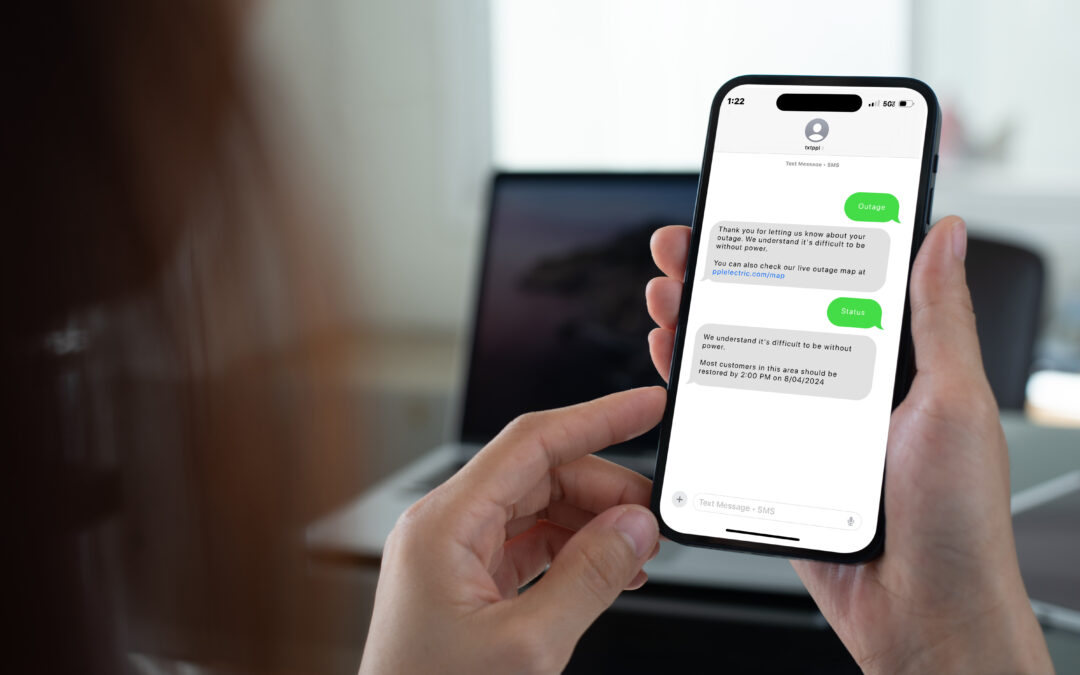
If your power goes out, the first thing you should do is let us know. You can report the outage by texting “Outage” to TXTPPL (898775), by visiting pplelectric.com/outage or by calling us at 1-800-342-5775 .
2. Get Alerts
Manage your alerts at pplelectric.com/alerts to receive real-time updates on your power status. Choose to receive alerts via text, email, phone or any combination of the three so you’re always in the loop. You can adjust your alert preferences anytime to fit your needs.
3. Check our Outage Map
Curious about what’s happening in your area? Visit the PPL Outage Map to see where outages are occurring and get an estimate of when power will be restored.
4. Follow Us on Social Media
Stay connected with us on social media for the latest updates, tips, and news during an outage. Follow us on X (Twitter) and Facebook to get real-time information and ask questions if you need help. Social media is also a great way to connect with others in your community.
5. Keep Your Phone Charged
Our phones serve as a lifeline during an emergency. Make sure your phone is fully charged before a storm hits, and keep a portable charger handy just in case. This way, you can stay connected receive alerts and stay in touch with family and friends.
Pro Tip: Turn on battery-saving mode on your phone to extend its battery life.
6. Have a Battery-Powered Radio
A battery-powered radio is a reliable way to stay informed, especially if your phone runs out of battery or you lose cell service. Tune in to local news and weather updates to stay updated on what’s happening and when power might be restored. Don’t forget to keep extra batteries on hand!
7. Write Down Important Numbers
Keep a list of important phone numbers, including your utilities, local emergency services, and family contacts. Store the list in a safe place where you can easily find it during an outage. It’s a good backup in case your phone isn’t working.
Helpful Hint: Store the list in a waterproof bag or container to keep it safe in your emergency kit.
Be Prepared, Stay Connected
By following these tips, you can stay informed and connected during an emergency. Remember, the key to staying safe is knowing what’s happening and how to respond.
Sep 18, 2024 | Safety and Security, Storms and Outages
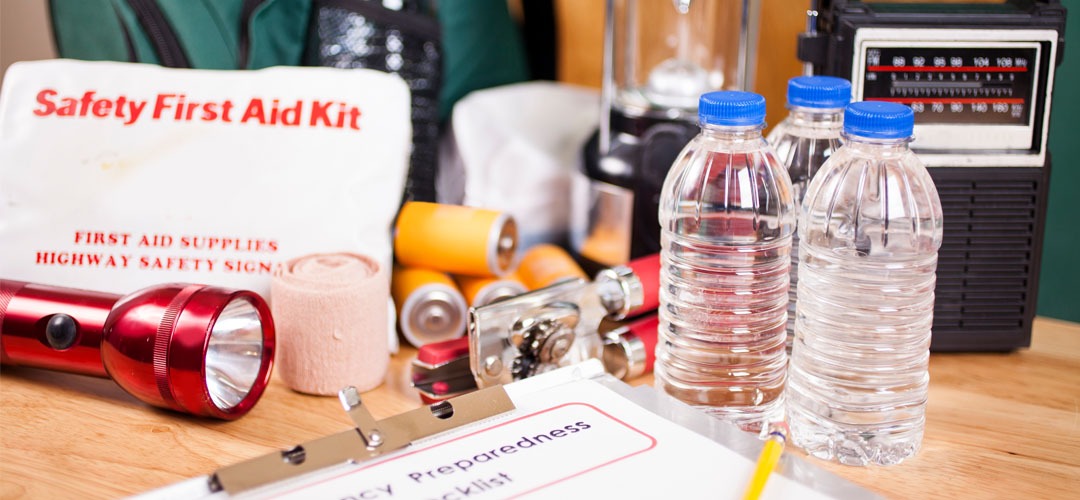
September is Emergency Preparedness Month, and there’s no better time to make sure you and your family are ready for the unexpected. When disaster strikes, having a well-stocked emergency kit can make all the difference.
Kit Essentials
1. Flashlights and Batteries
Make sure you have flashlights for everyone in your family and plenty of extra batteries. Flashlights are safer than candles, which can be a fire hazard. Keep a flashlight in each room so you don’t have to search for one in the dark.
2. Food and Water
You’ll want to have enough food and water to last at least three days. Choose non-perishable foods like canned goods and granola bars—things that don’t need to be refrigerated and don’t forget to include a manual can opener. For water, plan on having one gallon per person per day. That’s enough for drinking and basic hygiene.
3. First Aid Kit
Accidents can happen. Be sure to have a first aid kit that includes bandages, antiseptic wipes, and any prescription medications your family might need. It’s also a good idea to have some over-the-counter medicines like pain relievers and allergy medicine.
4. Battery-Powered or Hand-Crank Radio
Staying informed is important during an emergency. A battery-powered or hand-crank radio will help you stay informed. Make sure you have extra batteries for the radio, too!
5. Blankets and Warm Clothing
Be prepared for various seasons and temperatures. In winter, you’ll need to stay warm. Keep extra blankets, sleeping bags, and warm clothing like hats and gloves in your kit. Even in warmer weather, a cozy blanket can make a tough situation more comfortable.
6. Hygiene Items
Staying clean is important, even during an emergency. Pack some hand sanitizer, wet wipes, and basic hygiene items like toothpaste, toothbrushes, and deodorant. If you have babies or young children, don’t forget diapers and baby wipes.
7. Important Documents
It’s a good idea to keep copies of important documents in your emergency kit. This could include things like insurance policies, birth certificates, and a list of important phone numbers. Store them in a waterproof container to keep them safe.
8. Portable Phone Charger
You’ll want to stay connected, so make sure you have a portable phone charger in your kit. Keep it charged and ready. Putting It All Together
Once you’ve gathered everything, store your emergency kit in a large, sturdy container like a plastic bin or a duffle bag. Keep it in a place that’s easy to reach and let everyone in your family know where it is.
That’s it! With your emergency kit ready to go, you’ll be prepared for anything. Stay safe, and let’s be ready for whatever comes our way!

Sep 10, 2024 | Safety and Security, Storms and Outages
Does your family have a plan in case of a natural disaster or another emergency? You might be surprised to learn that a lot of Americans don’t have an emergency plan.
We take a lot of steps to keep our loved ones safe. We childproof our homes, buckle up in the car, and install smoke detectors. But are we ready for an emergency, like a power outage or a severe storm?
What would your family do if the power went out for days? Do you have enough food, water, and other supplies? Every family’s needs are different, and your plan should reflect that. For example, families with young children, pets, or someone with medical needs might require more detailed planning.
Why Planning Matters
Having a plan in place before an emergency hits can make all the difference. It’s much easier to stay calm and focused when you’ve thought through the details ahead of time. Knowing where to go, who to contact, and what to have on hand will help you keep your loved ones safe.
National Preparedness Month is a great time to review and update your emergency plan. Even if you already have a plan, it’s important to make sure it still meets your family’s current needs.
Get Started on Your Plan
- If you don’t have a plan yet, now is the perfect time to create one. Here are a few questions to ask yourself:
- Does everyone know who to contact and where to go if an emergency happens when you’re not home?
- Do you have an emergency kit with enough supplies for at least three days?
- Does everyone know how to stay informed with the latest news?
Resources to Help You Prepare
We’ve gathered essential information from trusted sources like FEMA, the U.S. Department of Homeland Security, the Red Cross, and the U.S. Department of Health & Human Services to create a comprehensive guide just for you. Our guide brings together the best practices and recommendations from these expert organizations into one convenient place, making it easy for you to review and follow.
Key Tips:
- Keep a paper copy of your emergency contacts: If your phone dies, you’ll still have access to important numbers.
- Use our checklist to build your emergency kit: It’s designed with all the details you need to be prepared.
- Teach your kids what to do in an emergency: Help them stay calm and know what to expect.
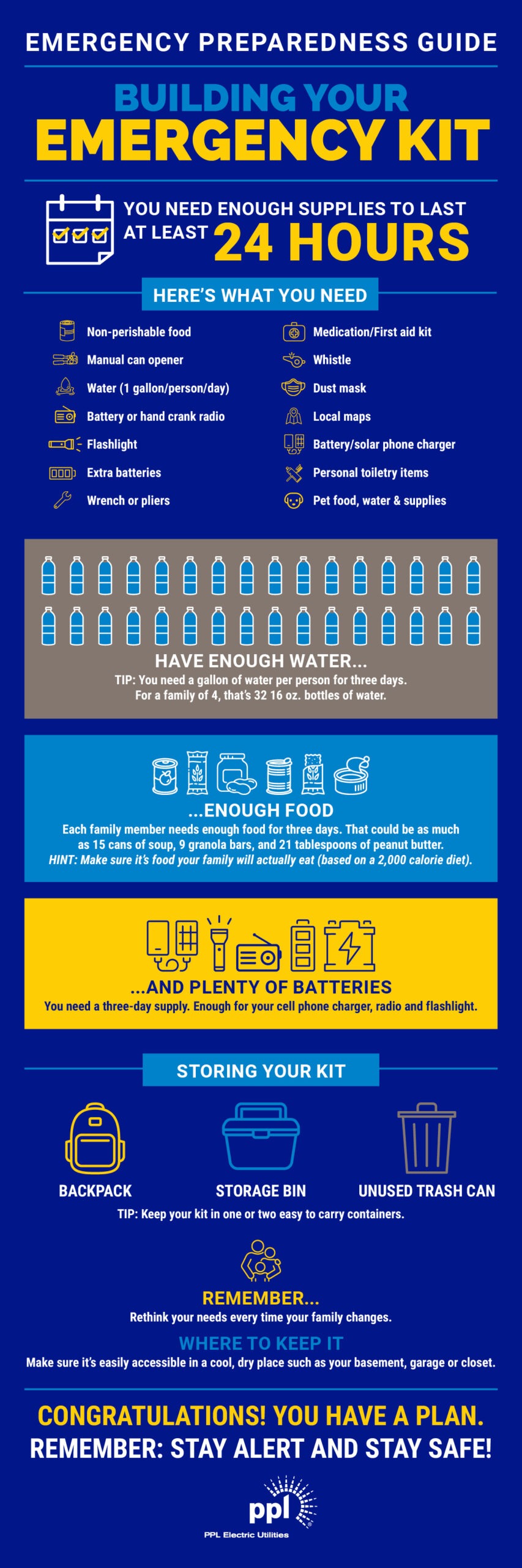
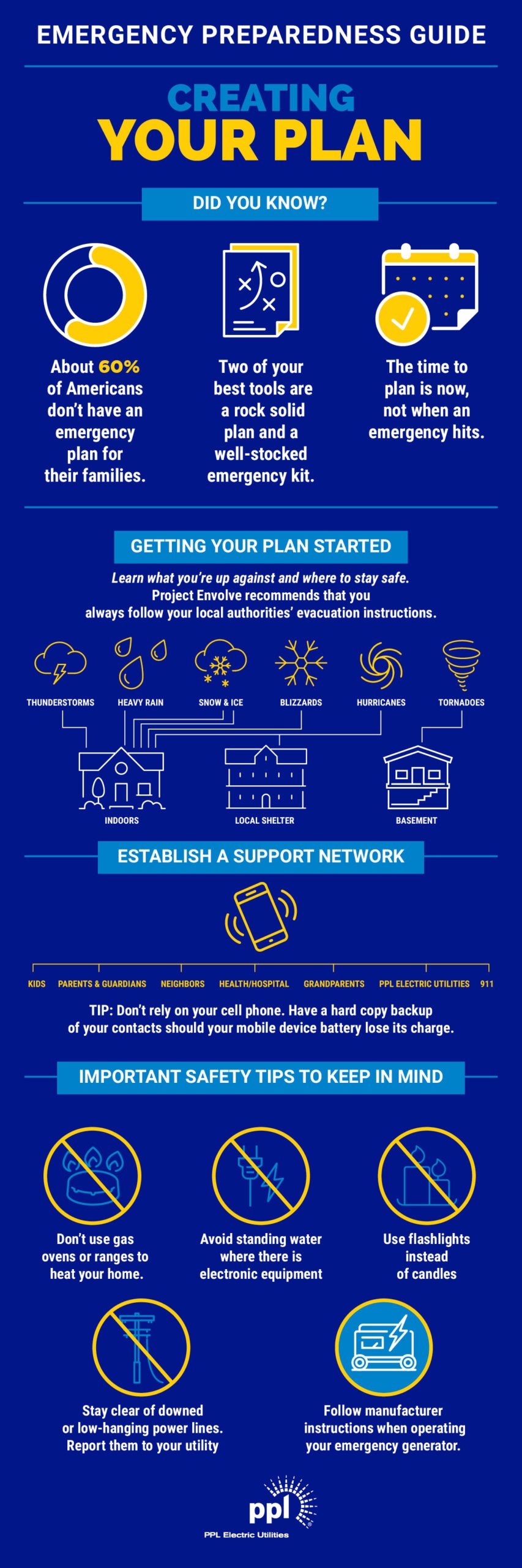
Check out the infographics below for more detailed guidance on creating your emergency kit and preparing your family:
National Preparedness Month is a good reminder to make or update your emergency plan. It’s essential to be prepared, not just for yourself but for everyone who depends on you