
Aug 24, 2026 | Safety and Security
The start of a new school year brings plenty of excitement, along with new routines and busy schedules.
Whether you’re helping a child get ready for school, sending a student off to college or simply sharing the road with school buses again, now is the perfect time to brush up on a few important safety reminders.
Check your chargers and devices
Laptops, tablets, smartphones and other electronics have become essential tools for students of all ages. Before the school year begins, take a few minutes to inspect charging cords and devices for signs of wear.
Replace frayed or damaged cords, use manufacturer-approved chargers whenever possible and avoid charging devices on beds, couches or other soft surfaces that can trap heat.
Create a safe study space
Many students spend hours completing homework, attending virtual lessons or studying online. A safe study space can help prevent electrical hazards and distractions.
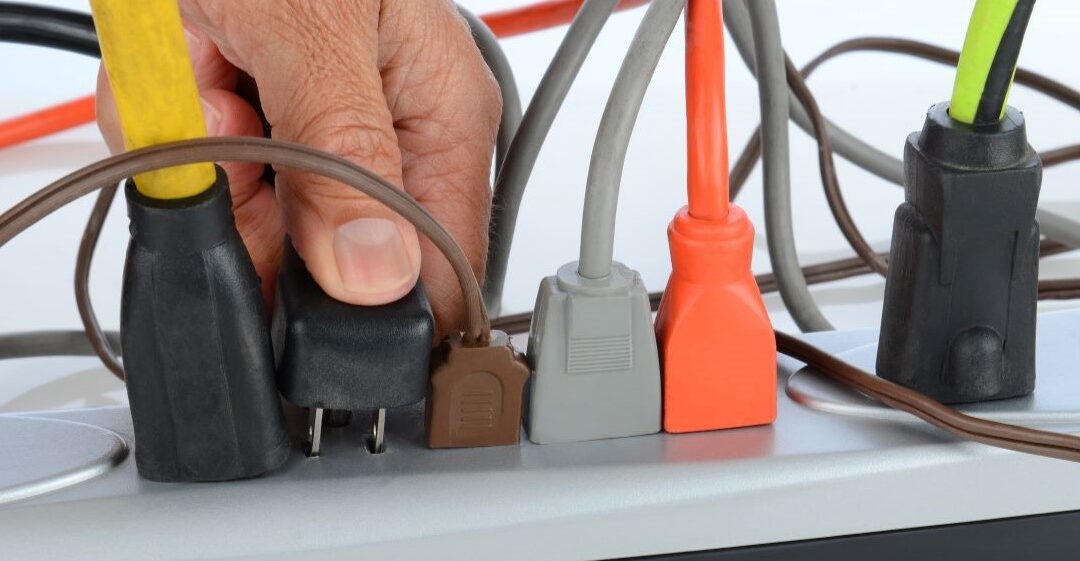
Avoid overloading outlets and power strips, keep cords organized and make sure electronics have plenty of space for airflow. These small steps can help keep devices operating safely throughout the year.
Have a conversation about electrical safety
Back-to-school season is also a good opportunity to talk with children about electrical safety.
Remind them to stay away from downed power lines, substations and other electrical equipment. If they ever see a downed wire, they should stay far away and tell an adult immediately.
Don’t forget about college move-in safety
For many families, August means helping a student move into a dorm room or apartment.
As electronics, appliances and school supplies make their way into a new space, it’s important to avoid overloading outlets and power strips. Extension cords should never be run under rugs or across walkways, and damaged electrical equipment should be reported right away.
Establishing safe habits at the beginning of the semester can help students avoid problems later on.
Stay alert on the road
The start of the school year brings more students to sidewalks, bus stops and crosswalks.
Drivers should slow down in school zones, watch for pedestrians and eliminate distractions behind the wheel. Taking a little extra care during busy morning and afternoon hours can help keep students, families and communities safe.
Start the school year on a safe note
Back-to-school preparation involves more than notebooks, backpacks and class schedules. Taking a few minutes to review safety habits at home, on campus and on the road can help protect the people who matter most.
From the first day of school to the last, simple safety can make a big difference.
May 28, 2026 | Safety and Security
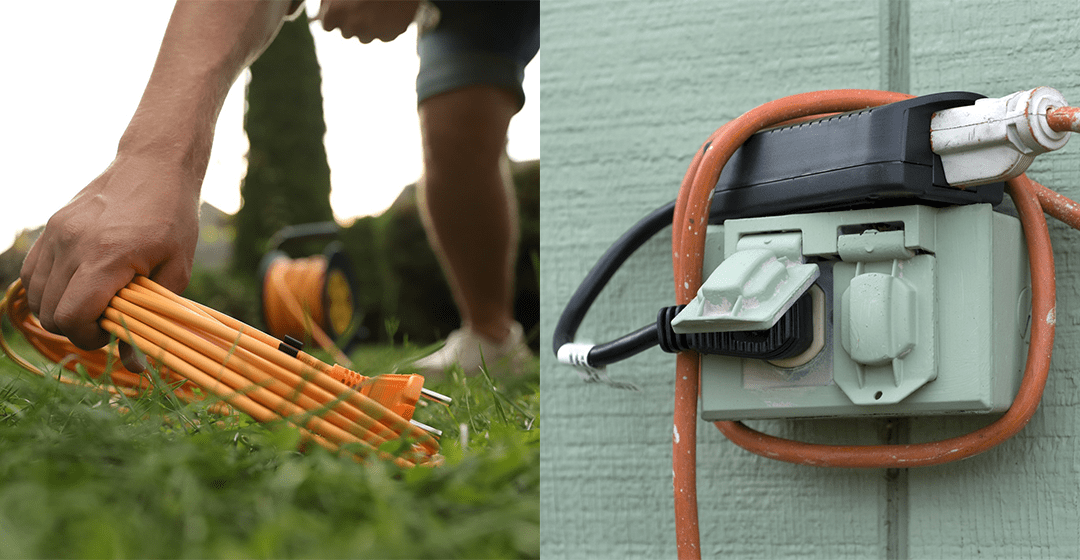
With warmer weather on the way, many people are heading outside to tackle yard projects, enjoy time with family and make the most of the summer season. As outdoor activity ramps up, PPL Electric Utilities is reminding you to stay aware of potential electrical dangers around their homes.
Safety is more than a commitment at PPL Electric Utilities — it’s a core value that guides everything the company does. That includes helping you recognize risks and take simple steps to stay safe near power lines and electrical equipment.
As you prepare your yard or start outdoor projects, it’s important to look above and below:
- Overhead power lines can pose a serious hazard if ladders, tools or equipment come too close.
- Always keep yourself and anything you’re using at least 10 feet away from power lines and carry ladders parallel to the ground to avoid accidental contact.
Planning to dig? Whether you’re planting a tree, installing a fence or starting a landscaping project, always call 811 at least three business days in advance. This free service helps identify underground utility lines and can prevent serious injuries and costly damage.
You should also be cautious around electrical equipment in the yard:
- Keep areas clear around pad-mounted transformers, avoid contact with equipment and keep children and pets away.
- Don’t use electrical equipment or extension cords in rainy or wet conditions.
- Check all outdoor outlets and install waterproof covers.
Most importantly, if you ever see a downed power line, stay far away and assume it is energized. Keep people and pets at least 100 feet back and, if you see a downed wire, report it immediately to PPL Electric by calling 1-800-342-5775 and say “downed power line.”
As summer approaches, a few simple precautions can go a long way toward keeping outdoor activities safe. By staying alert and informed, you can enjoy everything the season has to offer — without the risk.
Apr 22, 2026 | Safety and Security
May is National Electrical Safety Month, a great time to learn how to stay safe around electricity at home. Electricity helps power our lights, appliances, phones, and more — but if it’s not used the right way, it can be dangerous.
According to the Electrical Safety Foundation International, electrical home structure fires cause the following every year:
- $1.3 billion in property damage
The good news? Many electrical accidents can be prevented with a few easy safety steps. Here’s a room-by-room guide to help you and your family stay safe at home.
CLICK THIS LINK FOR A DOWNLOADABLE AT-HOME SAFETY CHECKLIST: PPL Electric Utilities At Home Electrical Safety Checklist
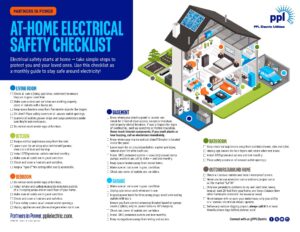
Download this room-by-room checklist to help keep you and your home safe!
Living Room Safety
Living rooms often have lamps, TVs, game systems and phone chargers — all using electricity.
Safety tips:
- Check cords on lamps and electronics. Don’t use them if they are cracked or frayed.
- Make sure outlets and switches have faceplates and work properly.
- Never run cords under rugs or furniture, as they can overheat.
- Keep space heaters far away from curtains, furniture and other items that can catch fire.
- Don’t plug too many things into one outlet or power strip.
- If children live in or visit your home, use outlet safety covers.
Kitchen Safety
Water and electricity don’t mix, so kitchens need extra care.
Safety tips:
- Keep appliances like toasters and mixers away from the sink.
- Unplug small appliances when you’re not using them.
- Make sure refrigerator coils are clean and there’s space behind the fridge for airflow.
- Kitchens should have GFCI outlets (outlets with “test” and “reset” buttons). Test them once a month.
- Keep a Type C fire extinguisher nearby in case of an electrical fire.
Bathroom Safety
Bathrooms also have water, which makes electrical safety very important.
Safety tips:
- Keep hair dryers, razors and other electric items away from sinks, tubs and toilets.
- Unplug appliances when you’re done using them.
- Install and test GFCI outlets monthly.
- Use safety covers on unused outlets, especially if kids are around.
Bedroom Safety
Bedrooms may seem low-risk, but chargers and cords can still cause problems.
Safety tips:
- Don’t run cords under beds, rugs, or furniture.
- Unplug phone chargers and other electronics when not in use.
- Check cords regularly for damage.
- Make sure outlets and switches are covered.
- Install smoke and carbon monoxide detectors outside sleeping areas and on every floor of your home.
Basement Safety
Basements often hold big appliances and electrical panels.
Safety tips:
- Know where your main electrical shutoff is located.
- Label your circuit breaker box clearly so you know which breaker controls each area.
- Make sure breakers have the correct amperage.
- Clean dryer lint after every use and leave space behind washers and dryers for airflow.
- Use GFCI outlets near washers, sump pumps, and utility sinks.
- Keep space heaters away from boxes and stored items.
Garage Safety
Garages often use power tools, heavy equipment and additional appliances.
Safety tips:
- Check cords and plugs on all tools.
- Unplug tools when they’re not in use.
- Use tools with three-prong plugs when possible.
- Avoid overloading outlets, especially when using power tools.
- Make sure your garage has the correct breaker size for its electrical needs.
- Keep boxes and storage items away from outlets and wiring.
Outdoor Electrical Safety
While it’s important to make sure the inside of your home is safe, at home safety also means being careful outdoors.
Safety tips:
- Use outdoor-rated outlets with waterproof covers.
- Never use indoor extension cords outside. Look for cords marked “SJTW.”
- Only use generators outdoors, at least 20 feet away from your home, and never near doors or windows.
- Never open or touch your electric meter—only trained professionals should do that.
- Before digging for any project, call 811 at least three business days ahead to avoid hitting underground lines.
A Safe Home Starts With You
Electrical safety doesn’t have to be hard. By checking cords, using the right outlets and keeping electricity away from water and flammable items, you can help protect your home and your family.
This National Electrical Safety Month, take a few minutes to walk through your home and spot potential hazards. Small steps today can help prevent big problems tomorrow.

Dec 5, 2025 | Safety and Security
The holidays are a time for friends, family and appreciating all we have to be thankful for.
And nothing shows you care more than keeping those you love most safe throughout the season, right?
It can be a busy time of year, but don’t forget to make safety — especially electrical safety — a top priority when decorating your home. Here are 8 tips to keep your season merry, bright and safe.
- Check the halls before you deck the halls. Throw out any damaged light strands and replace them with LED bulbs. Check wall sockets, wires and connections to make sure they’re in good, working order. If you find a problem, contact a professional, certified electrician.
- Place decorations and trees at least three feet from heat sources like fireplaces, portable heaters, radiators and candles. If using candles, blow them out when you leave the room or go to sleep.
- Inspect your cords to make sure they’re marked for proper use. Use plastic or insulated clips to secure your cords. Avoid using nails, screws or tacks. Avoid running extension cords under rugs or in high traffic areas.
- If you have a natural tree, water it frequently to keep it fresh. The heat from incandescent bulbs can ignite a dry tree. If you have incandescent bulbs, consider switching to more energy-efficient LED bulbs.
- Be mindful of your electrical load. While some of us may enjoy big, beautiful and bright displays, overloading can cause fires. Follow manufacturer guidelines for how many sets of lights can be safely connected to your outlets and extension cords.
- When decorating outdoors, always carry ladders parallel to the ground and look up for power lines before setting up your ladder.
- Always hang your decorations during daylight hours.
- At night, make sure to turn your holiday lights and decorations off before leaving home and going to bed.
Don’t let something preventable steal your holiday cheer. Whether you are just getting ready to decorate — or if you already have — keep these tips in mind to stay safe and merry this season.

Jul 16, 2025 | Safety and Security
Eliminating electrical hazards around swimming pools and outdoor hot tubs helps ensure everyone stays safe while enjoying their time in the water this summer.
Here are some pool and spa safety tips provided by the Electrical Safety Foundation, a leading authority on electrical safety issues for consumers, workers and the media.
- Keep all outdoor receptacles covered so they remain dry.
- Use a ground fault circuit interrupter (GFCI) for electrical devices used outside to help prevent electrocutions and electric shock injuries.
- Make sure all electrical equipment used for swimming pools (even the cleaning equipment) is grounded.
- Keep electrical devices and cords at least 10 feet away from water sources.
- Never handle electrical devices when you are wet.
- Make sure there are no power lines over a swimming pool.
- Do not swim during thunderstorms.
- Have a licensed electrician inspect your pool to make sure electrical components are up to code and safe.