Mar 25, 2022 | Safety and Security
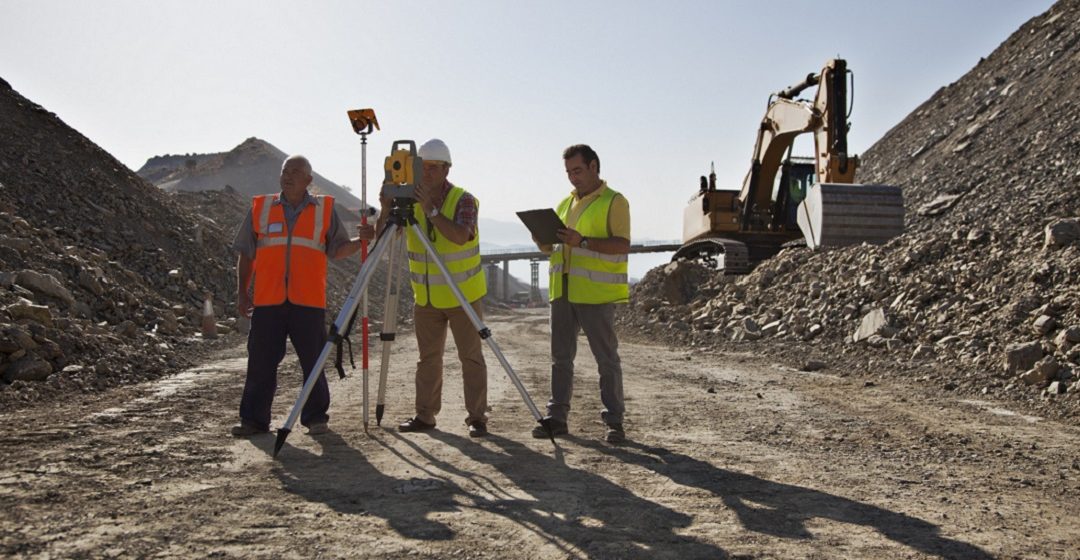
If you do any kind of excavation work as part of a business or at home, you won’t want to miss PA Safety Days events that Pennsylvania One Call System, Inc., is hosting across the state this year, to celebrate its 50th anniversary.
Beginning with Eastern Safety Day at Agri-Plex’s Bill Harris Agricultural Hall, 302 North 17th Street in Allentown on May 17, 2022, the free events provide a chance for excavation professionals, public officials, and others to learn about safe digging practices and promote the protection of critical underground utilities.
We are a proud sponsor of these free events, which have drawn an estimated 28,000 people since 2006.
You can register and learn more about the following events online at pa1call.org/SafetyDay.
- May 17: Agri-Plex’s Bill Harris Agricultural Hall, Allentown Fairgrounds, 302 N. 17th St., Allentown, PA.
- May 19: Drexelbrook Conference Center, 4700 Drexelbrook Dr., Drexel Hill, PA.
- June 7: Monroeville Convention Center, 209 Mall Blvd., Pittsburgh, PA.
- June 16: York Expo Center, Mid-Atlantic Industrial East and West, 334 Carlisle Ave., York, PA.
- August 11: Mohegan Sun Pocono, 1280 Highway 315, Wilkes-Barre, PA.
- Sept. 20: Bayfront Convention Center, 1 Sassafras Pier, Erie, PA.
- Sept. 22: Blair Convention Center, 1 Convention Center Dr., Altoona, PA.
The Safety Day conferences provide valuable training, networking, knowledge transfer, and continuing education, while featuring hands-on demonstrations and an opportunity for participants to learn about the latest safety practices, tools, and techniques.
Attendees typically include excavators, designers, public utilities, facility owners, project owners, municipal leaders, sewer and water authorities, public officials, emergency responders, locators, damage prevention associates, excavation professionals and homeowners.
Each host venue will follow cleaning protocols recommended by the Centers for Disease Control and Prevention (CDC), and the Pennsylvania Department of Health.
Remember to contact Pennsylvania 811 a minimum of three days before you plan to dig. To learn more, please visit Pennsylvania 811 website at pa1call.org.
Jan 31, 2022 | Safety and Security
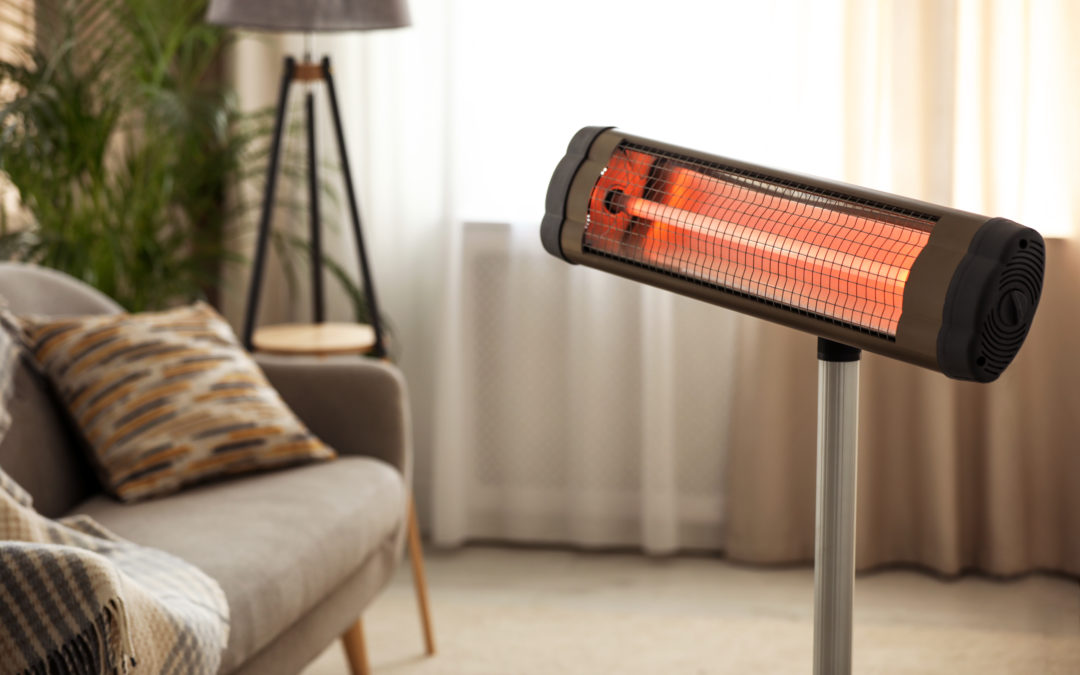
Winter is prime season for space heaters. While space heaters can keep you comfortable, they can also be dangerous.
When you’re using an electric space heater to warm up your home, office, or business, follow these tips to stay safe:
- Only buy newer models with current safety features.
- Make sure the product has an Underwriters Laboratory (UL) label.
- Position the heater on a level surface away from foot traffic.
- Always keep children and pets away from space heaters.
- Plug all electric space heaters directly into wall outlets.
- Avoid using extension cords with space heaters. If you need to use an extension cord, always follow the manufacturer’s instructions.
- Buy a space heater with a tip-over safety switch.
Source: U.S. Consumer Product Safety Commission
Jan 31, 2022 | Safety and Security
As winter kicks into full gear, we can expect to see more snow and, of course, cold temperatures.
While we all do our best to stay warm during these times, we may occasionally need a little extra help to keep ourselves, and our homes, cozy. This may mean using anything from a plug-in, portable space heater to, in the event of a severe storm, a portable generator.
Even though it may seem easier to take a shortcut when trying to stay warm, you should always keep safety top of mind. Here is some information on the dangers associated with three common pieces of electrical equipment used during winter, as well as tips on how to use them safely.
Electric Blankets and Heating Pads
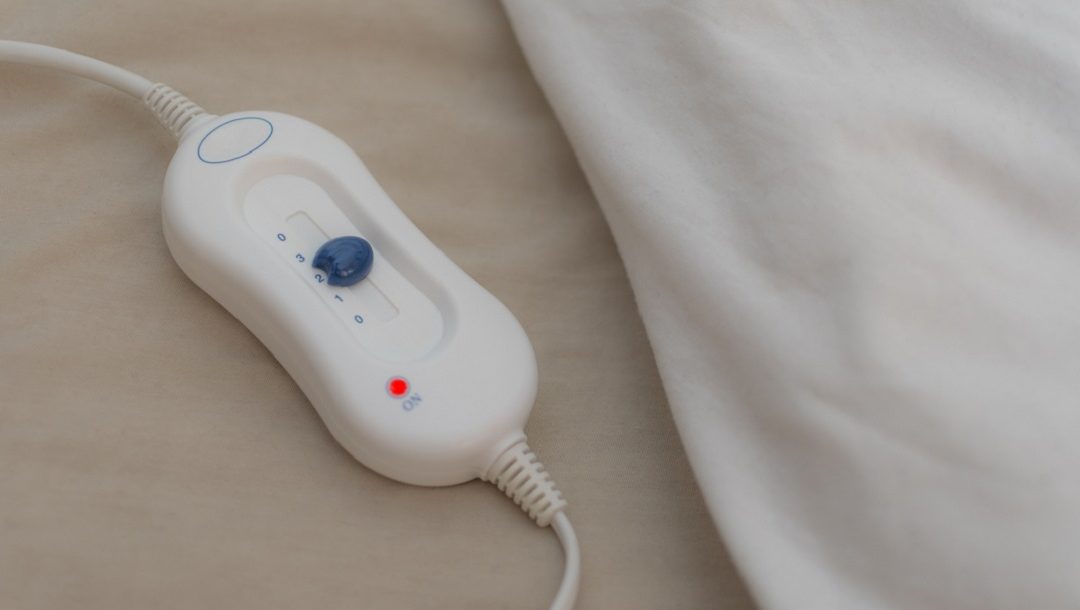
Both electric blankets and heating pads can provide some relief from the cold. While they may seem harmless, they cause almost 500 fires each year, according to ESFI. Here are some helpful tips to keep you safe:
- Heating pads and electric blankets are not designed to be used interchangeably or at the same time.
- Always be sure to inspect the device before using it. Start by checking the electrical cord and replace the item if you find any damage.
- Do not place other objects or blankets on top of an electric blanket while it’s in use as it can easily overheat.
- Do not tuck an electric blanket into the mattress and avoid folding it. Both can cause the blanket to overheat.
- Never leave these devices unattended or use them while you are sleeping.
Space Heaters
According to the Electrical Safety Foundation International (ESFI), heating equipment — like portable space heaters — are the second leading cause of home fires in the United States and more than 65,000 home fires are attributed to heating equipment annually. It’s important to use these devices sparingly, and only when needed, to prevent something from going wrong. Here are some tips to ensure you’re being safe:
- Before using a space heater, read the manufacturer’s instructions in full.
- Don’t plug space heaters into extension cords or power strips.
- Be sure to give space heaters plenty of room and keep them on a level surface away from flammable objects and foot traffic.
- Remember to only use a space heater when needed and don’t leave a heater unattended while in use. Make sure you turn it off and unplug the cord when you’re not using the device.
- It may be advantageous to ditch your older space heater for a new one that has built-in safety features like a tip-over switch.
Generators
If the power goes out during a winter storm, you may turn to a generator. While the ability to keep the essentials running is certainly amazing, generators can pose a serious risk to your health. In fact, the Consumer Product Safety Commission reports that 50% of all generator-related carbon monoxide deaths occur during the winter months. Follow these tips before firing up your generator:
- Be sure you are reading, and following, the manufacturer’s guidelines for operation and take heed of any warnings. This includes making sure you use the proper fuel for the generator and only add fuel when the generator is cool.
- Before each use, inspect the generator to ensure it’s in good working order.
- Generators should never be used in an enclosed area or placed inside a home or business. Be sure to also keep them away from windows and vents that could allow carbon monoxide to sneak inside.
- Even though you will be using the generator outside, make sure that your home has battery-operated carbon monoxide detectors that are in good, working condition.
- Make sure you never backfeed power from the generator into your home. Doing so can create serious safety hazards for our linemen working to restore your service by sending power back outside of your home.
Remember, with a little preparation and a few precautions, you can keep you, your family and your home safe and warm this winter.
For more information about how we promote safety, visit pplelectric.com/safety.
Jul 26, 2021 | Safety and Security
Do you intend to plant trees, shrubs or flower beds in your yard or start up a backyard construction project in the near future? If so, be sure to call 811 before you start!
Make the call, for your safety and the safety of others.
Everyone should make the 811 call before any digging project. It costs you nothing, it’s simple and it doesn’t take much time. Plus, it may help prevent a serious injury and costly damages to underground utilities like power or water lines.
Each year, there are about 6,000 reports of underground utilities being struck in Pennsylvania, according to the Pennsylvania Public Utility Commission. And every year, PPL receives reports of about 60 to 75 digging incidents in which the person doing the digging failed to call 811.
What’s more, it’s the law. In Pennsylvania, you’re required to place an 811 call three business days before any digging that is done by power equipment like Bobcats, front-end loaders, power augers, rototillers, and aerators. We recommend that you place a call before any digging project, even if it’s with an old-fashioned shovel.
Once you place the call, a crew will come out and use spray paint, flags or other identifiers to show areas where underground utilities exist. And if you notice a digging project going on in your neighborhood and are unsure whether an 811 call was placed in advance, make the call just to be sure.
When you make an 811 call, please be prepared to provide the following information:
- County and municipality in which the planned dig is located.
- The street name and address.
- The nearest intersecting/cross street to the address.
- Details of the dig site, including the area of the property where excavation will occur and what kind of work is being done.
- When the project is scheduled to take place.
- The name of the company doing the work (if applicable).
For more info about the Call Before You Dig law, visit pa811.org. And for more safety info, visit pplelectric.com/safety.

May 24, 2021 | Safety and Security
When it comes to responding to emergencies and keeping the public safe, police, firefighters, and ambulance personnel are critical.
And we want to make sure they’re safe while protecting the public, particularly when they are working around overhead and underground power lines and other electrical equipment.
We’re hoping a new program will do just that. We recently introduced our new electrical safety presentation designed specifically for 911 centers and emergency management agencies.
The response was impressive. Representatives from 23 of the 29 counties we serve joined the free, one-hour Zoom presentation we offered in early May. In all, 86 people were on the call to learn valuable safety lessons.
“It’s always beneficial for our 911 dispatch staff to be involved in this type of training,” said Daniel S. Bellesfield, Lehigh County’s 911 Operations Coordinator. “While we are not physically on scene, being trained and familiar with equipment and terminology will help to expedite responses to emergencies.”
Representatives from PPL’s Public Safety, Emergency Preparedness, Operations and Regional Affairs groups shared valuable information and tips.
“We admire all of the work our first responders do, and we appreciate the willingness of 911 centers and emergency management agencies to join us to learn about what they have to keep in mind when they’re directing first responders at emergency scenes,” said Mark Santayana, public safety manager at PPL Electric Utilities. “And for those who are well versed in these safety measures, this program helps reinforce their importance.”
First responders: Check out additional resources and information specifically for you, as well as an online electrical safety certification course here: ppl.e-smartresponders.com.