
Jun 18, 2024 | Energy Efficiency
We’ve compiled a summer cooling checklist with quick and easy things you can do to save up to $325 a year in energy costs. You’ll stay cool this summer and have more $ for the things that matter most. Let the savings begin!
Click on the image below to use our interactive checklist with the savings you can expect from each item by hovering over the Notes icons. To print: Open this list in your browser by clicking “Use This List,” click on the hamburger (three–line) menu and choose “Print.”
On mobile? Get a better view of our list items by tapping “Use This List” and then selecting the item you are interested in.

Jun 12, 2024 | Energy Future, Safety and Security
Summer is quickly approaching and high temperatures are climbing, so we’re here with tips to help keep you cool.
You can save energy and money, even in the extreme heat, with our energy efficiency tips:
- Make sure your drapes and shades are pulled down during the day to block the hot sun.
- Wear light clothing and set your thermostat between 72 and 78 degrees. You’ll save energy for every degree higher you can set your thermostat.
- Try not to use large appliances like dishwashers, stoves, washers and dryers during the warmest hours of the day.
- If you haven’t already, make the switch to cooler and more efficient LED lights; incandescent lights produce heat.
- Ceiling fans cost far less to use than air conditioners, but only turn them on in rooms that are occupied.
The Centers for Disease Control and Prevention (CDC) states that over 1,200 people in the United States die from extreme heat every year. Older adults, children and sick individuals are at greater risk from extreme heat.
Here are some tips to stay safe during the hottest days:
- Find a cool place with air conditioning. If you don’t have air conditioning, the CDC urges you to find cooler places — shopping malls, libraries or public cooling centers — to avoid the heat.
- Check on your at-risk family members or neighbors.
- Drink plenty of fluids.
- Never leave people or pets in a closed car.
- Avoid strenuous activity.
- If you are outside, find shade and wear a hat big enough to protect your face.
We urge you to stay safe in extreme heat situations. Find a cool place, drink fluids and stay informed of the forecast and any weather-related warnings.

Mar 29, 2024 | Energy Efficiency
Earth Day is almost here, so we’re sharing some simple ways to save energy and money. From preparing your home for warmer weather to delicious recipes that use less energy, we’ve got you covered. Here are some things you and your family can do to save while having fun!
Unplug and reconnect
Here are some creative games that will get you and your family off their screens and into a sustainable mindset. You’ll find some enjoyable diversions while saving electricity by unplugging your devices.
Get a strike: Glow stick bowling is a great activity for the whole family! Find some empty water bottles, fill them with water, and pop in activated glow sticks. Then all you need is a soccer or other ball for a fun nighttime activity that will get glowing reviews from everybody.
Fold a plane: Ready to take flight? This flight school game will test kids’ skills at folding paper airplanes. For this easy DIY game, all you’ll need is some paper, a poster board and a desire to fly!
Perfect your toss: Laundry basket Skee-Ball is a great way to unwind together.
Green your cooking routine
Electric stoves and ovens use a lot of energy and can also heat up your kitchen. By choosing other appetizing options, you can save a lot of energy—and money. Check out these energy-saving alternatives.
Isn’t it time you had a classic burger? It’s a good idea to get out of the kitchen with these great grilling recipes.
Mmmmm. Low-and-slow chicken chili: Slow cookers can mean fast energy savings. Check out these slow cooker recipes.
We think you’ll love the no-bake cheesecake: No-bake options can be a great alternative. Here are some no-bake recipes to consider.
Energy-efficient spring cleaning
We all know that decluttering and cleaning can make our lives run more efficiently. Making these simple fixes can help save money and energy.
DIY filters: Replacing your air filters to ensure that your HVAC system runs efficiently is a great spring DIY project. It’s also a great time to call one of our Energy Advisors for a free virtual home assessment to make sure you’re saving money all year round.
Cold water clean: Heating the water when you do laundry takes energy. Find a detergent that will get your clothes just as clean in cold water. And save energy by washing full loads instead of partial ones.
We’ll haul away that fridge: Old refrigerators can consume a lot of energy. Receive $50 for your old fridge or freezer. And learn about our $50 rebate on new ENERGY STAR® refrigerators.
Spring into action
Spring is here, and summer’s not far behind. Make the most of the season and prepare your home for warmer weather with these easy, energy-saving actions you can do to make a big difference on your energy bills.
Keep it tight: Stop energy leakage by weatherstripping and caulking around doors and windows. Sealing air leaks could save you up to $150 in total energy costs.
Switch and save: Adjust the rotation of your ceiling fan to move counterclockwise. Using your ceiling fan lets you increase your thermostat setting by 4°F with no impact on your comfort. You can also pick up an ENERGY STAR ceiling fan that’s up to 60% more energy efficient.
Cover up: Open your shades or curtains on cool but sunny days to let in warmth and light. Close them when it gets too hot or to prevent drafts at night.
A greener backyard
Your sustainable routines don’t have to be limited to your home. There are great opportunities to increase your energy efficiency right outside your back window. From lighting to landscaping, here’s how to enjoy your green space.
A windbreak for your home: To battle those cold and windy Pennsylvania nights, consider a windbreak of evergreens and shrubs. When mature, ensure your landscape windbreak height is tall enough to properly protect your home with foliage that also extends to the ground.
Solar solutions: Solar lights are the perfect complement to any backyard vibe you’re going for. Not only will they not increase your energy costs, but they’re also not tied down by any outside outlet. Patio umbrellas with solar-powered lights are a great, energy-efficient lighting solution.
Cool it off: Shading your home with trees can save you up to $75 annually and cool surrounding air temperatures by up to 9°F. And shading your A/C unit with landscaping can increase its efficiency by 10%.
These are just some of the many ways you can green your routine to save energy and money. You’ll find a host of other energy-saving ideas, products and programs at SaveWithPPL.com.
We want to help you spend less on energy so you can spend more on what matters most.

Mar 12, 2024 | Energy Efficiency
Appliances never break down at convenient times. It’s almost a rule of thumb. The key is to have a replacement in mind before you need to make a hasty decision. Luckily, there are ways to know when an appliance may be nearing the end of its life. If you see any signs that one of your appliances is wearing down, now is the time to prepare by researching an energy-efficient replacement. It’s a savvy move that can save you $210 to $550 over the lifetime of the new appliance. Plus, it will reduce a lot of stress in your life.
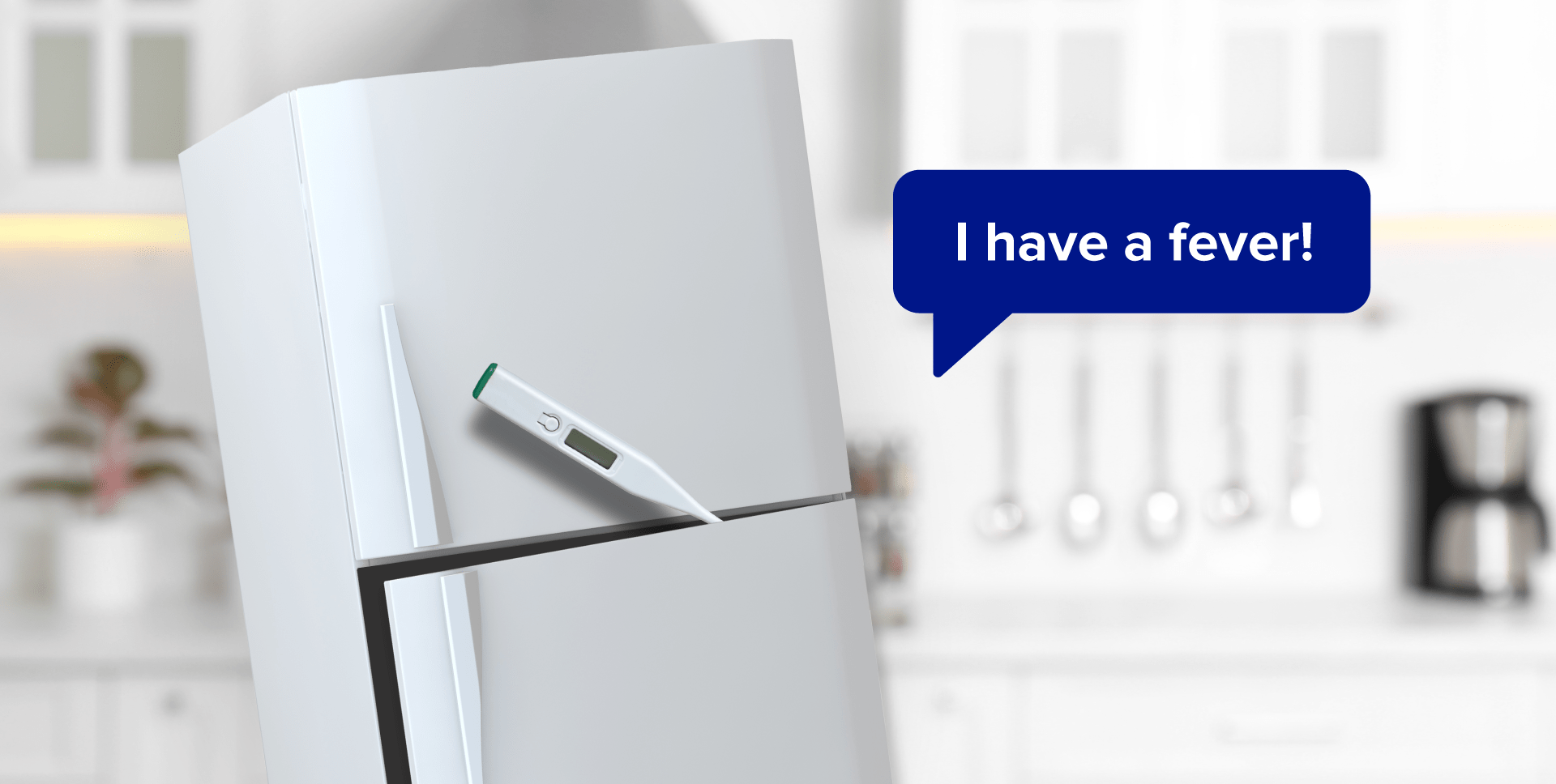
Is your refrigerator sick and tired? Here are some signs that time for a replacement is near:
- The back feels extremely hot.
- Food spoils even when the setting shows the correct temperature.
- There is an excess of frost in the freezer, or moisture inside and outside of the fridge.
- It’s over a decade old. The average life cycle of a refrigerator is 12 years. *
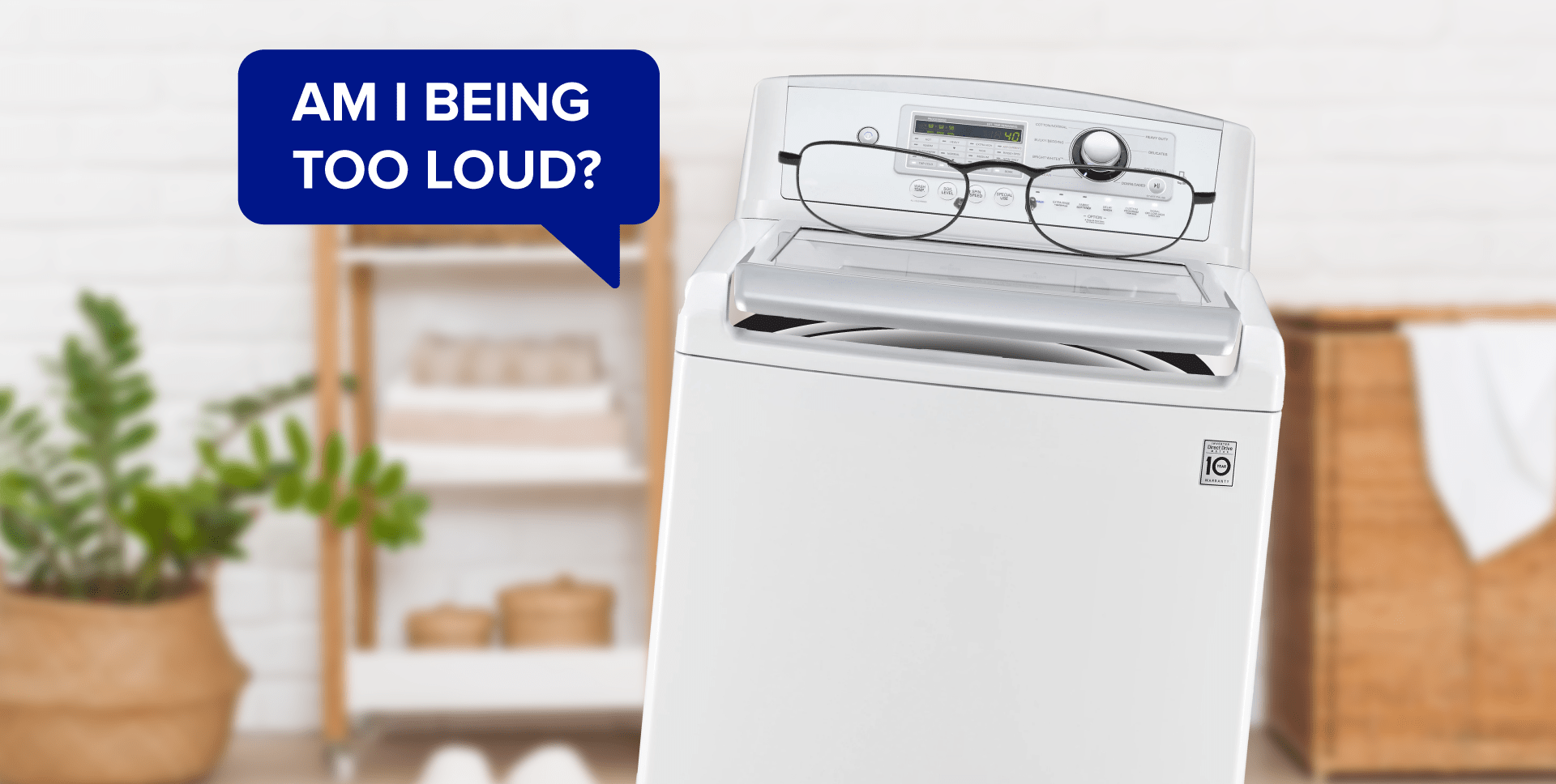
Is your washer cranky? Unreliable? Here are signs that it may be washed up.
- A loud, persistent noise.
- Water leaking from the washer.
- The washer is not draining properly.
- It’s at or over 13–14 years old. †
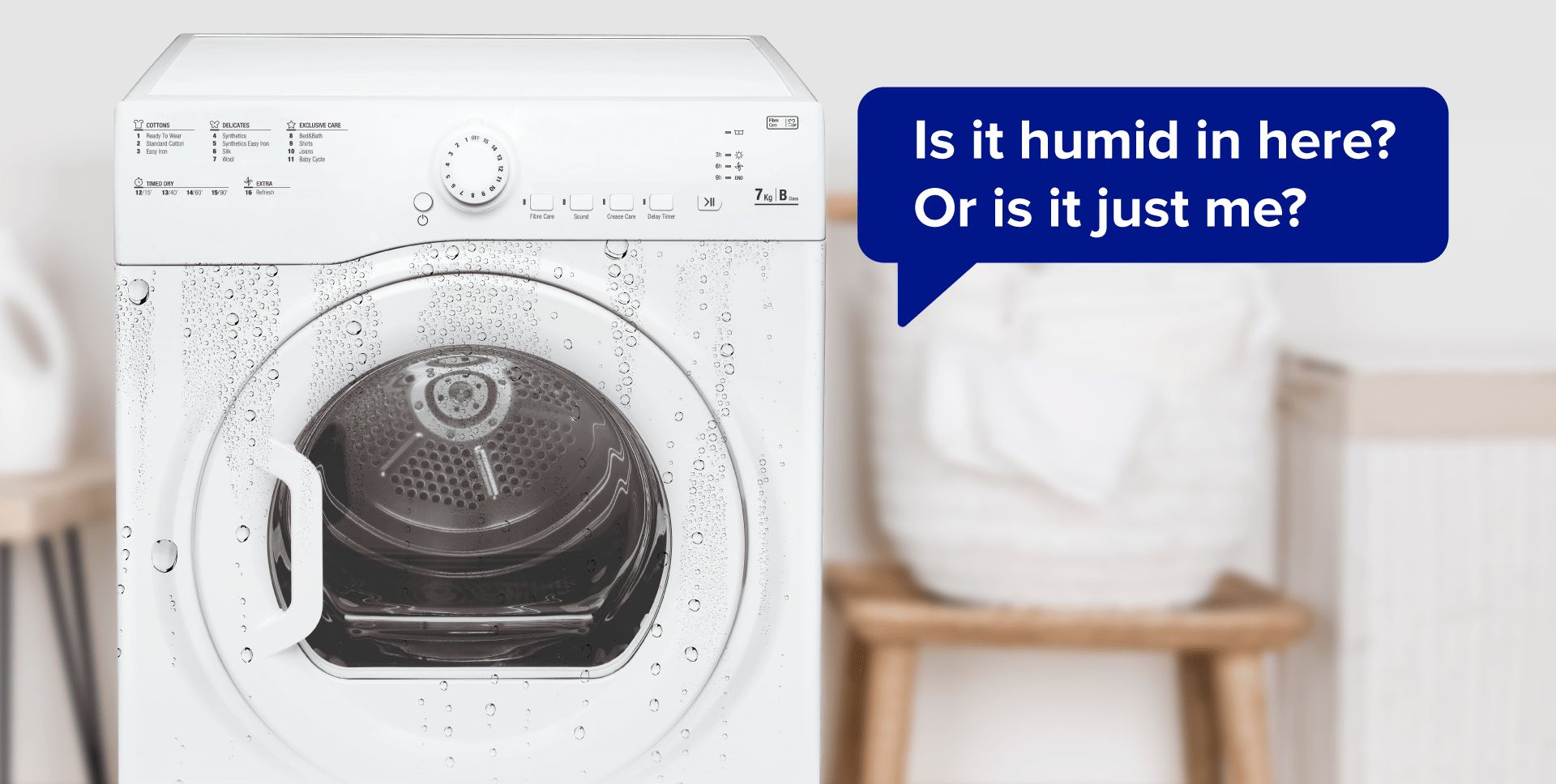
If your dryer is doing more complaining than drying, it could be that time. Here are some signs:
- Loud or unusual noises.
- Clothes never seem to get dry.
- Smoky odor or any potential electrical issues. (Safety note: Always consult a trained electrician when dealing with these issues.)
- The dryer is past its prime. The average dryer life cycle is 12–16 years. *
Find out how much you can save when you plan for an energy-efficient future …
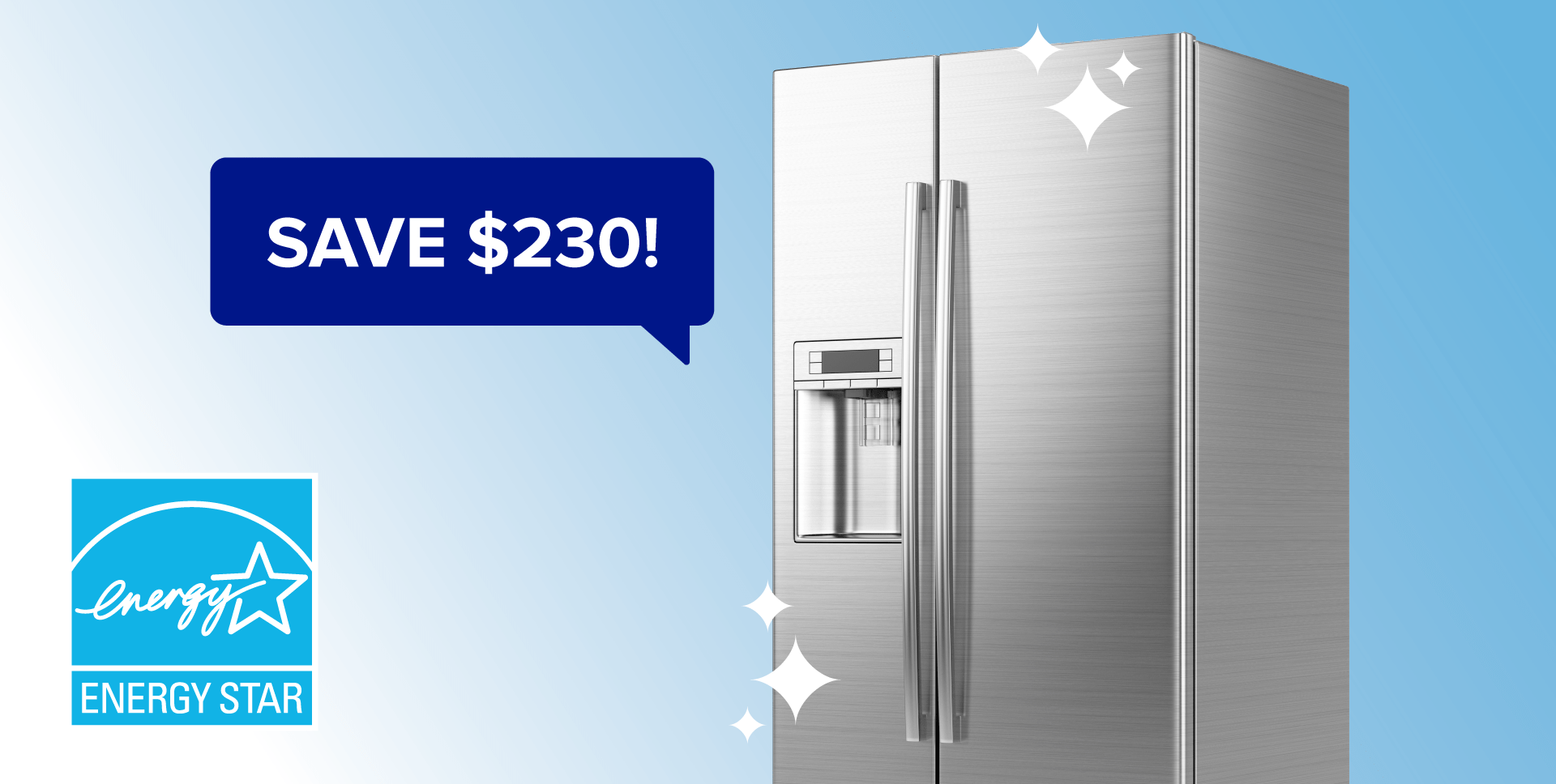
Cool savings with an ENERGY STAR® refrigerator!
The ENERGY STAR list of most efficient appliances for 2024 is now available. Check out this year’s most efficient refrigerators and other appliances. Replacing your old refrigerator with a new ENERGY STAR certified one can save about $230 over the lifetime of the product.* A new model may qualify for a $50 rebate, and when the time comes, we’ll help you recycle your old one, and give you another $50!
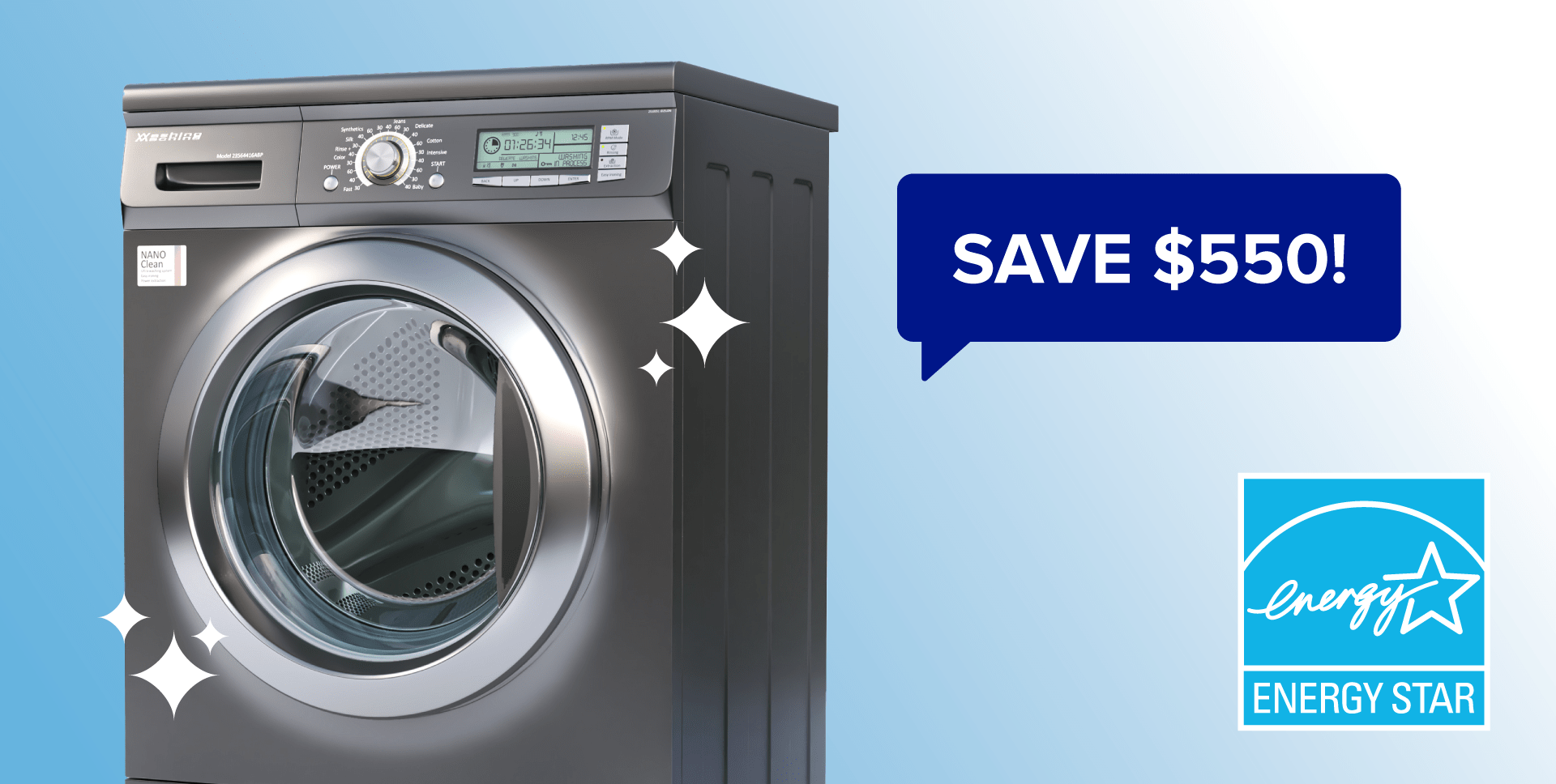
Save big with an ENERGY STAR washer!
Replacing your washer with a new ENERGY STAR certified option can save you $550 in energy costs over the lifetime of the product, and reduce water use by 30%. * Plan for your replacement now. Check out the ENERGY STAR list of most efficient washers for 2024.
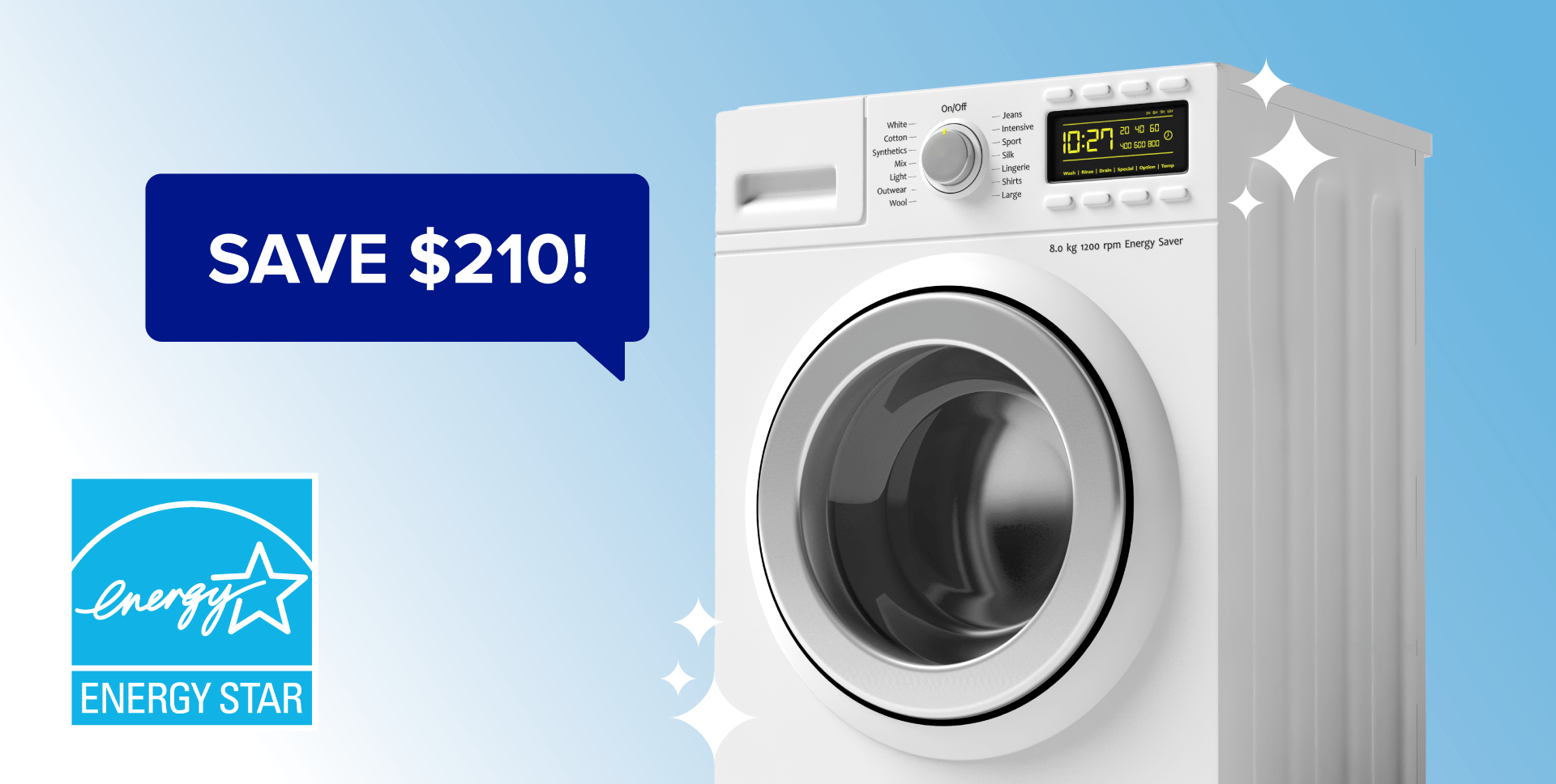
With an ENERGY STAR dryer, the savings add up!
A full-size, electric ENERGY STAR certified dryer can save you $210 in energy costs over the life of the product. * Know what model you want to replace yours with before it breaks. Check out the ENERGY STAR list of most efficient dryers for 2024.
There’s money hiding in your home, and a few simple changes can help you find it! Learn more about these and other ways you can save with PPL.
*According to ENERGY STAR.
†According to: Department of Energy.

Feb 8, 2024 | Energy Efficiency
Holidays can sometimes call for spending, but they can also mean saving. This Valentine’s Day, and throughout the month, help those you care about be more comfortable while saving on energy costs with these simple home improvements and actions.

Date night
#1 Get prepped. Assemble all your ingredients and do all your chopping and prepping before you turn on your electric cooking appliances.
#2 Take it slow. Make someone special in your life a slow-cooked meal like this slow-cooker chicken teriyaki. Slow cookers are more energy efficient than making a meal in the oven.
#3 And don’t forget the ambient lighting. Skip the overhead lighting and add some LED candles to your decor for the evening. You’ll save energy while adding a warm glow.

Family night
#4 Get comfortable. Plan for energy-efficient comfort all evening long by adjusting ceiling fans to run clockwise, circulating warm air from the ceiling. That will allow you to lower your thermostat a few degrees. And don’t use kitchen exhaust fans or vents for more than 20 minutes. They pull cold air from outside.
#5 Stream efficiently. Stream your favorite movies or shows through your digital media player rather than your gaming console and use volume-leveling to make sure that loud commercials don’t interrupt your family time.
#6 Get crafty. Create tasty valentines for the whole family with this no-bake, valentine-heart fudge recipe.

Night out
#7 Get smart. Enjoy energy-efficient nights out all year long by installing a smart thermostat with a $50 rebate. A smart thermostat will save energy while you’re out and have the house warm and cozy again by the time you’re back home.
There’s money hiding in your home, and a few simple changes can help you find it! Learn more about these and other ways you can save with PPL.