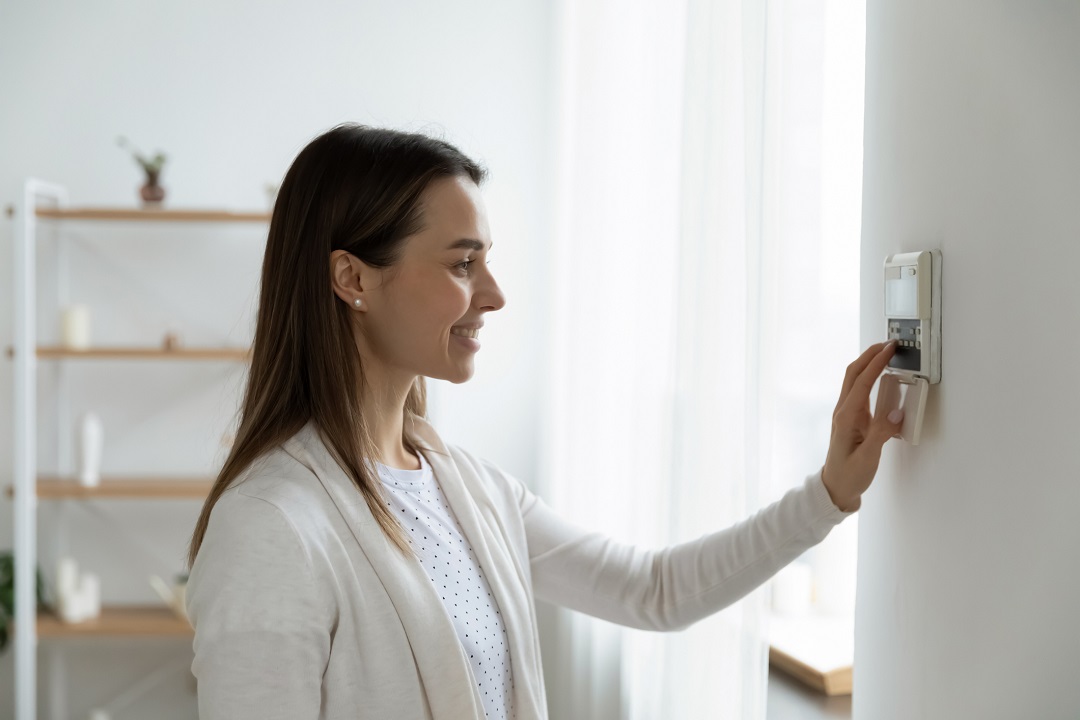

Time to clear the air—in your home
Your home’s indoor air quality is the quality of the air within and around your home in relation to you and your family’s health and comfort. By understanding and improving your home’s air quality, you can improve not only your health and quality of life but also save on your energy bill.
The importance of indoor air quality for your family.
Indoor air pollution can come from many different sources, including excess moisture, central heating, and cooling systems and humidification devices, cleaning materials, and outside sources. If your home has air pollution, it can cause headaches, dizziness, fatigue, and irritation of the eyes, throat, or nose. If these symptoms occur, you may want to explore ways to improve indoor air quality in your home.
Improving indoor air quality.
Using a portable air cleaner or upgrading the air filter in your HVAC system can help improve indoor air quality. Air purifiers or air sanitizers are designed to filter the air in a single area. Your central furnace or HVAC filters are designed to filter the air throughout a home. Both are good for reducing air pollution; however, they can’t remove all pollutants. Dehumidifiers can also help improve indoor air quality by keeping humidity levels at a healthy level.
One way to freshen up your home’s air quality is to check on the status of these ventilation systems and appliances. Proper maintenance and replacement, when necessary, can help control humidity while reducing dust and particles that aggravate asthma and allergies. Doing so can also help you save on your energy bill too: A dirty HVAC filter slows down air flow and makes your system work harder—wasting energy. A clean filter prevents buildup in the system and can lead to expensive maintenance or early system failure. Upgrading from an older HVAC system to a new, ENERGY STAR® system like a ductless mini-split uses 60% less energy than standard resistance-based heating systems and cuts cooling costs by 30%.
We offer rebates to help you save when you’re ready to upgrade: Get up to $25 off ENERGY STAR certified dehumidifiers, up to $450 off ENERGY STAR certified air-source heat pumps, and a rebate of $400 per outdoor unit for ENERGY STAR certified ductless mini-splits.
Keep outside air out with proper sealing.
Good ventilation is important to indoor air quality and control over when and how much air is circulated between the inside and outside of your home. Identifying and sealing areas where the air is leaking in and out of your home is the first step to gaining that control. Our in-home audit includes a blower door test, which identifies the air leakage in your home. We also provide up to $200 in rebates for air sealing. The biggest savings come over time—sealing air leaks can help you save 10-20% on your energy bill.
We hope you now have the tools and knowledge to breathe easier and save money on your home’s energy costs.