Sep 15, 2026 | Environment
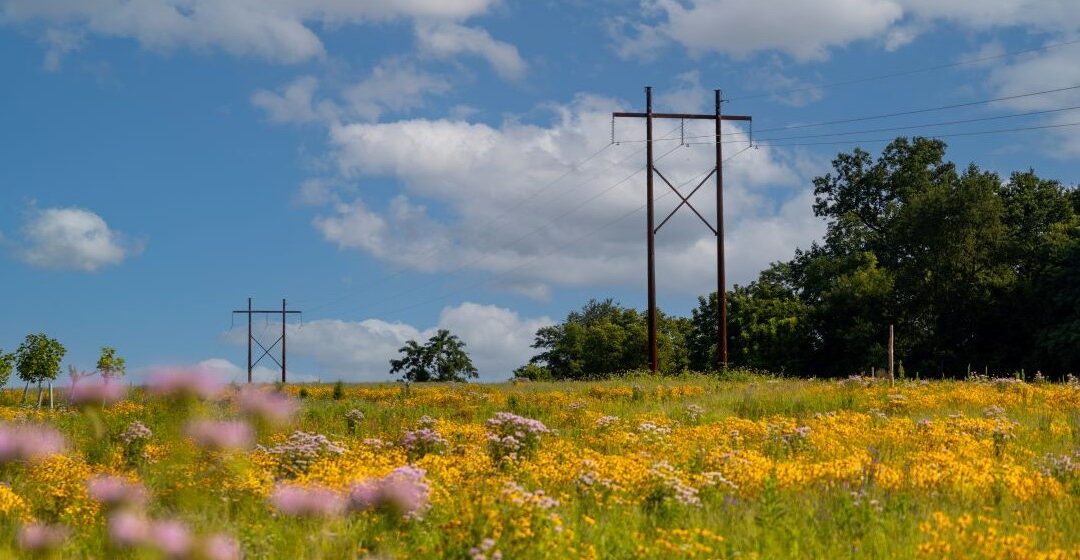
Wildflowers swaying in the summer breeze. Butterflies drifting from bloom to bloom. Bees buzzing among a colorful meadow of native plants. Visitors walking the trails at Lancaster Conservancy’s Safe Harbor Nature Preserve can now experience a landscape bursting with life and color.
Just a short time ago, this thriving habitat consisted of only farm-like grasslands.
“Woodlands are crucial, but these functioning meadows have been steadily declining, leading to declines in nesting birds and pollinator species,” said Eric Roper, a forester for the Lancaster Conservancy. “When we can create these havens to provide habitats for all these important species, it also has an impact on us and our way of life.”
The story of this transformation actually began more than a decade ago. In 2011, PPL Electric Utilities donated the land that now makes up Safe Harbor Nature Preserve to Lancaster Conservancy as part of a major conservation effort. Today, the 213-acre preserve contains a mix of fields, forests and woodland edges that provide habitat for a wide variety of wildlife and outdoor recreation opportunities for the community.
Then, in 2024, our teams returned to the preserve for an important reliability improvement project. Crews replaced 52 transmission poles — many stretching through the corridor at Safe Harbor — to help maintain reliable electric service for communities in and around West Hempfield Township and the surrounding communities.
When the work was complete, the conservancy saw an opportunity and worked with us to create something more than a utility corridor.
Together, the organizations developed a habitat enhancement plan for the transmission right-of-way. The goal was to establish the right mix of native plants and shrubs that would support wildlife while remaining compatible with the safe operation and maintenance of the electric transmission system. PPL Electric also provided some of the native plant and shrub species now seen in the meadow.
“To see the preserve where it’s at today, it’s pretty amazing,” said Tom Eby, lead environmental professional at PPL Electric Utilities. “During the project, it looked nothing like it does now, so it really is nice to see all the wildlife out here and open it up to the public.”
Over the next two years, those newly planted species took root and flourished.
As of the summer of 2026, the corridor has transformed into a sprawling native meadow. The area now provides food and shelter for pollinators and other wildlife while creating a beautiful natural experience for visitors, who can walk directly through the meadow along public trails.
The success at Safe Harbor builds on an ongoing partnership between PPL Electric and the Lancaster Conservancy. The organizations previously worked together at Kellys Run Nature Preserve, where a native pollinator habitat was established within a transmission line corridor. That project expanded pollinator-friendly meadows and created valuable habitat for bees, butterflies, moths and other species.
“It’s great to have a partnership like this where we can help them while they help us,” Eby said. “Really, it’s about the environment and the public benefiting from this collaboration.”
At Safe Harbor, the results are easy to see. What was once simply a right-of-way beneath power lines has become a vibrant native landscape that supports wildlife, welcomes visitors and demonstrates how reliable energy infrastructure and environmental stewardship can grow side by side.

Mar 18, 2026 | Reliability
As the weather warms up and many of us start dreaming about new flowers, trees and shrubs, it’s a great time to think about how your landscaping choices can support both a beautiful yard and reliable electric service. Trees and shrubs do so much good for our environment — they clean the air, offer shade, support wildlife and add natural beauty to our homes. But when planted too close to power lines, they can also cause avoidable outages, especially during storms.
That’s why choosing the right tree or plant for the right place is so important. The trees and shrubs you plant today will continue to grow for decades and giving them the proper space now helps ensure they won’t interfere with power lines or create safety concerns in the future. By selecting the right species and planting them in the right spots, you can help prevent outages, protect your home and keep your landscaping healthy as it matures.
To make planning easier, we offer a list of trees and shrubs that can be safely planted near power lines. It includes options of all sizes — from beautiful flowering trees like Dogwoods and Eastern Redbuds, to larger shrubs such as Black Elderberry and American Witch-Hazel, to smaller favorites like Mountain Laurel, Black Huckleberry and even common berry bushes. You can explore the full list and get more tips at pplelectric.com/KnowBeforeYouGrow.
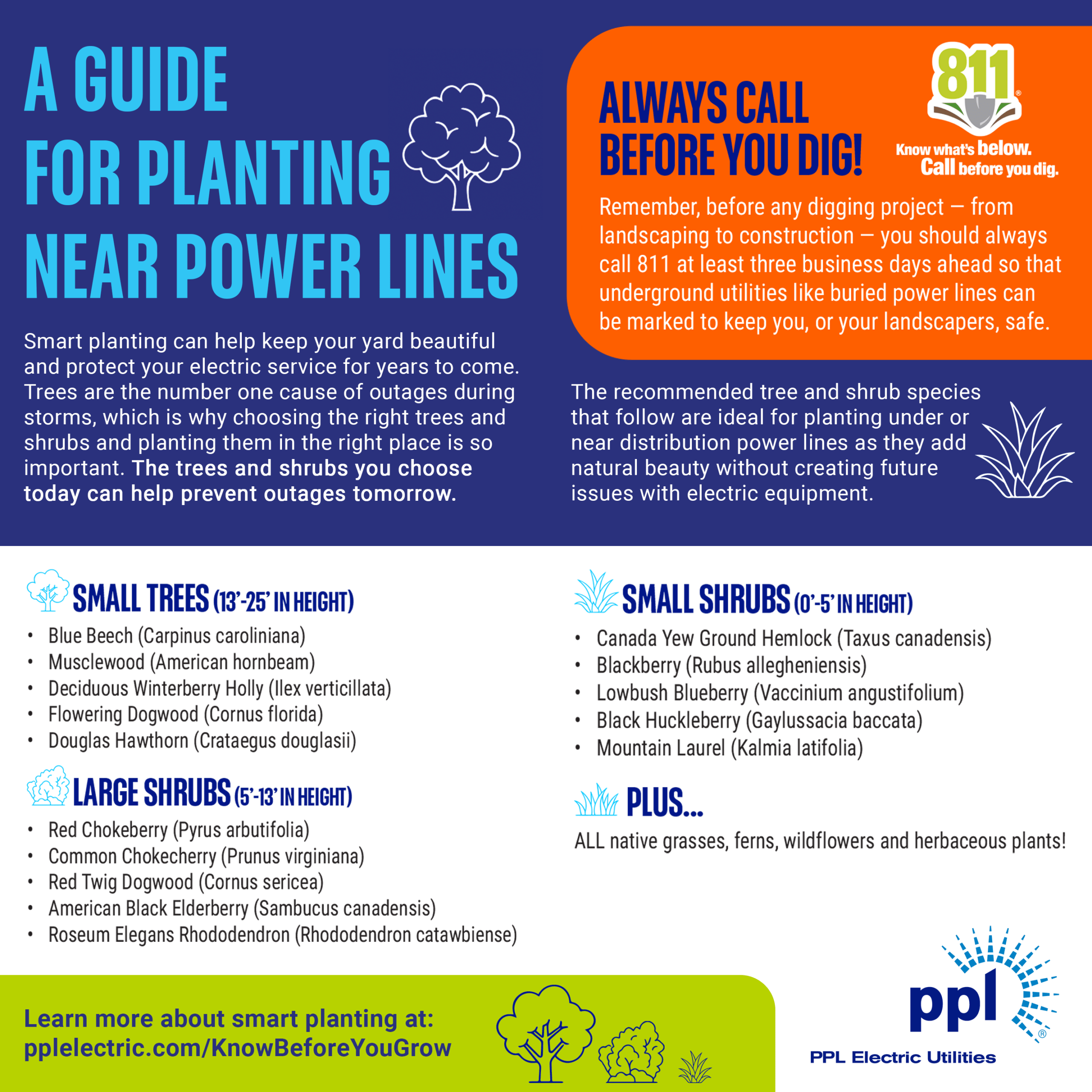
When it comes to tall-growing trees, be sure to give them plenty of room to reach their mature height. Anything that will grow taller than 25 feet should be planted at least 50 feet away from overhead power lines to prevent issues down the road. It’s also helpful to keep ground-mounted transformers clear of any new vegetation. Doing so ensures our crews can work safely and quickly whenever maintenance or repairs are needed.
Spring planting often means digging too, so don’t forget one of the most important steps: calling 811 at least three business days before you start. This free service marks underground utilities, including buried power lines, so you or your landscapers can work safely and avoid damaging critical infrastructure.
If you’re maintaining existing trees on your property, remember that pruning near power lines should always be left to trained professionals. Working close to electric lines is extremely dangerous and could result in serious injury or death. For work near the service wire that runs from our pole to your home, we can temporarily de-energize the line and lower it so you or your contractor can safely handle the job. Just give us a call at 1-800-342-5775 at least five business days before the work begins.
And if you see our crews trimming trees or working on equipment in your neighborhood, please keep a safe distance. A little space helps keep both you and our employees safe while they complete important reliability work.
If you’re looking for extra guidance or inspiration as you plan your spring projects, the Arbor Day Foundation offers helpful tools and resources for choosing the right tree or shrub and selecting the best location for planting. It’s a great place to learn more, visit the Arbor Day Foundation’s website.
A little planning goes a long way — for your safety, your yard and the reliability of the electric service we provide to you and your neighbors. Together, we can ensure that the planting we do today grows and blooms well into the future.
Jun 20, 2024 | Environment
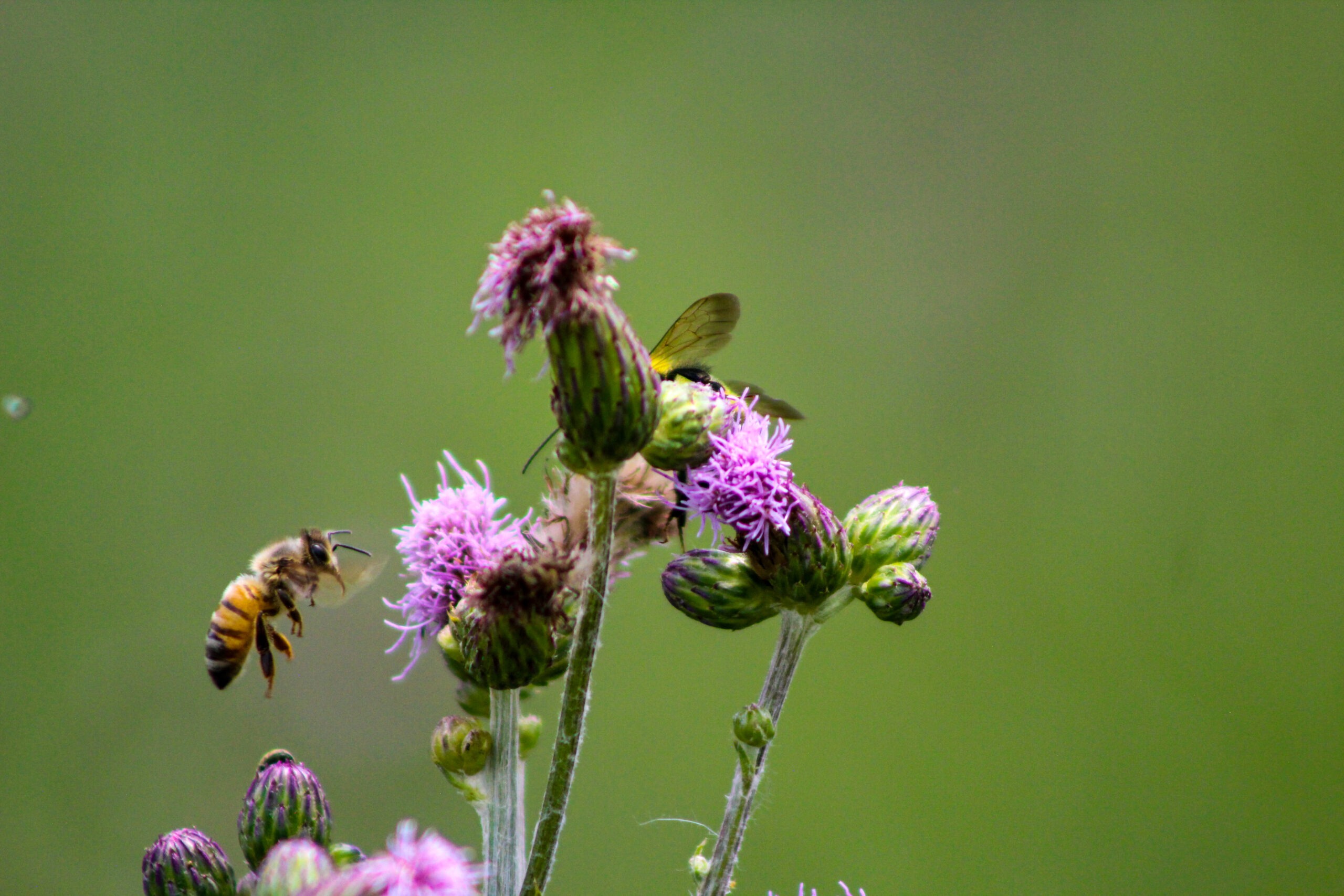
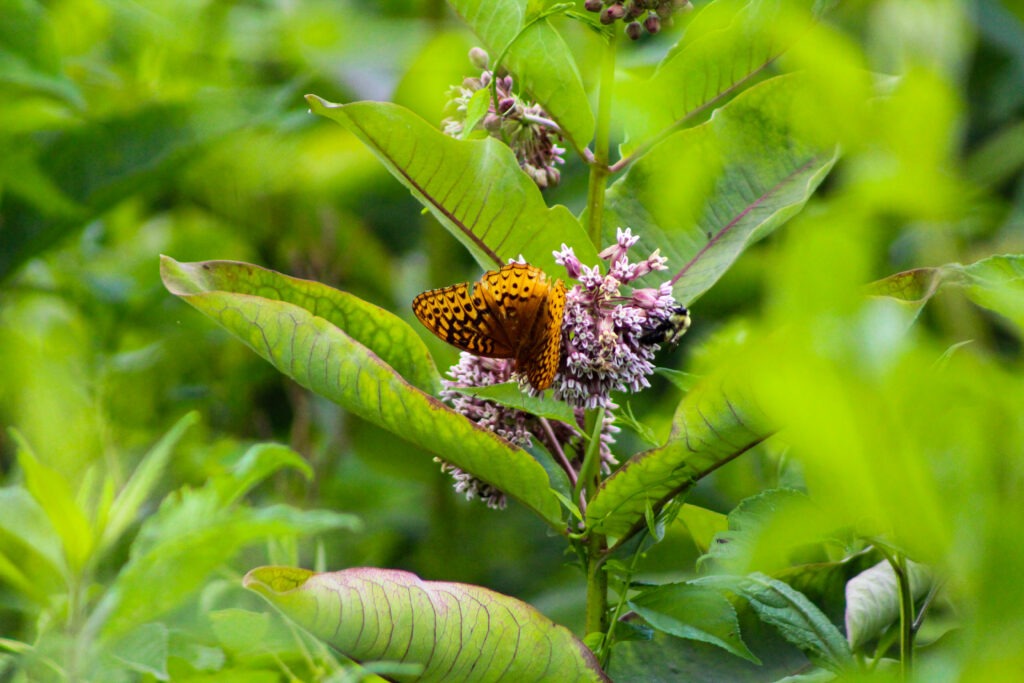
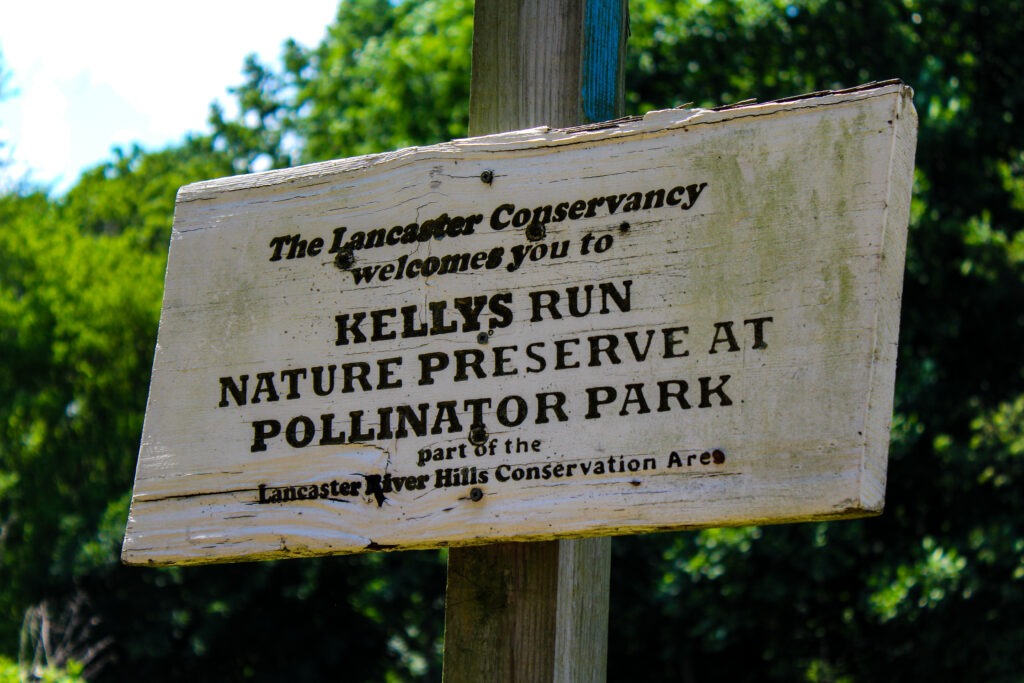
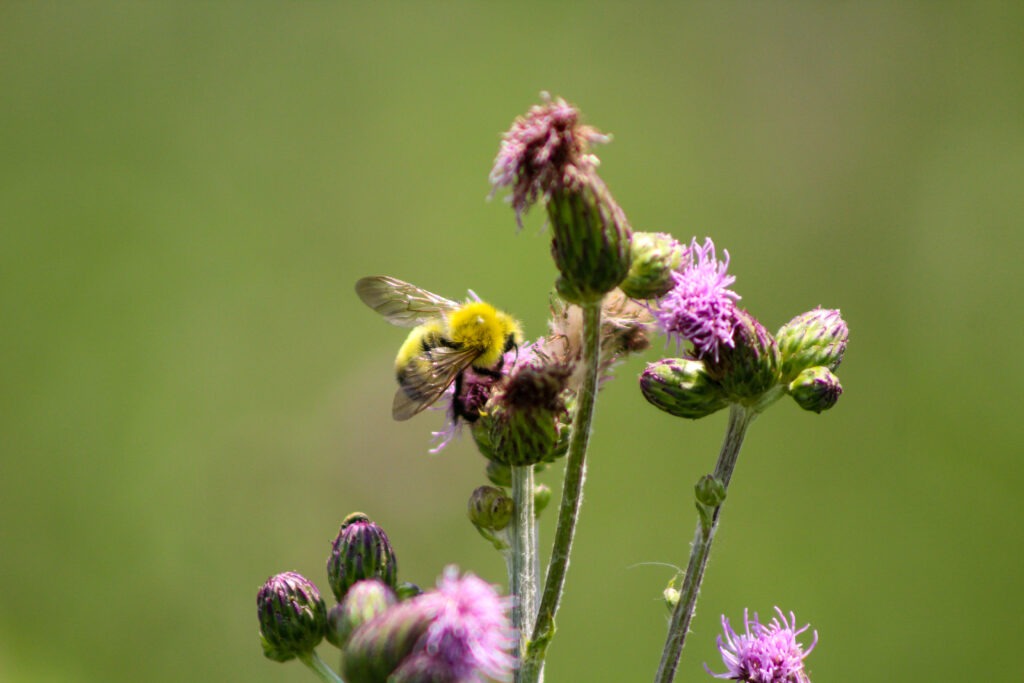
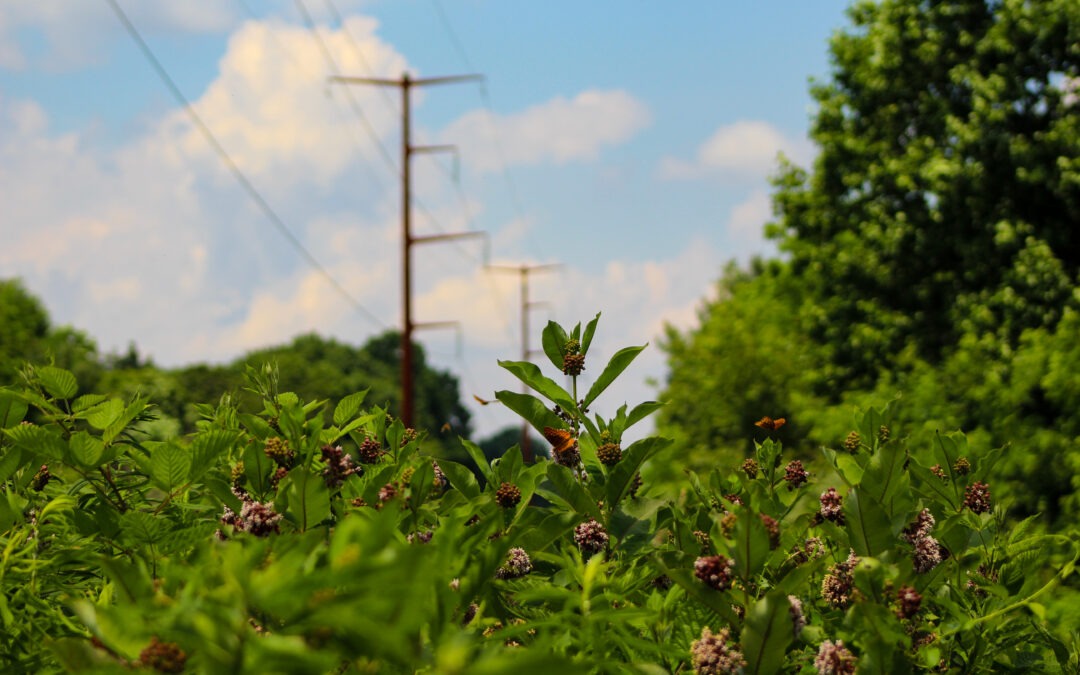
Bees buzzed from flower to flower while butterflies and moths gently floated from one plant to another on a recent sunny day within PPL Electric Utilities’ transmission line corridor that crosses Lancaster Conservancy’s Kellys Run Preserve. The thriving habitat, which was alive with blooms of frost aster, bull thistle, milkweed and sunflowers, was part of a collaborative effort between PPL Electric and Lancaster Conservancy to expand the preserve’s pollinator park and benefit a wide array of pollinator species.
The 460-acre preserve, one of 50 Lancaster Conservancy manages, began restoration efforts to turn 12 acres of the preserve into a pollinator park in 2021. And, while PPL Electric was working on a rebuild of a nearly century-old transmission line that runs through the preserve that same year, the utility took the opportunity to help expand the Conservancy’s pollinator meadows into the company’s right-of-way area under the power lines by nearly two and a half acres.
“This collaborative approach [between PPL Electric and Lancaster Conservancy] has proven fruitful at both Safe Harbor and Kellys Run nature preserves,” said Avery Van Etten of Lancaster Conservancy. “Conservancy-led habitat restoration projects were designed in consideration of PPL Electric needs, while the replacement of PPL Electric transmission infrastructure within the project area was approached in a manner considerate of the active restoration projects on Conservancy preserves.”
The continued collaboration is a win-win as both organizations are invested in protecting and enhancing the natural environment. In addition to helping the VIPs (very important pollinators), the pollinator-friendly plants can help to save PPL Electric costs by requiring less vegetation management and treatment within the power line corridor. Plus, the lower-profile plants also have the benefit of providing enhanced visibility when it’s time to inspect those power lines. By using the right mix of native plants within its right-of-way areas, PPL Electric can enhance the environment while improving reliability and lowering costs.
“From the collaborative approach to different project needs, to everyday activities such as invasive species management by Lancaster Conservancy and vegetation management work being performed by PPL Electric and its contractors, enhanced communication over the past five years has helped continue to build a working relationship between Lancaster Conservancy and PPL Electric,” added Van Etten.
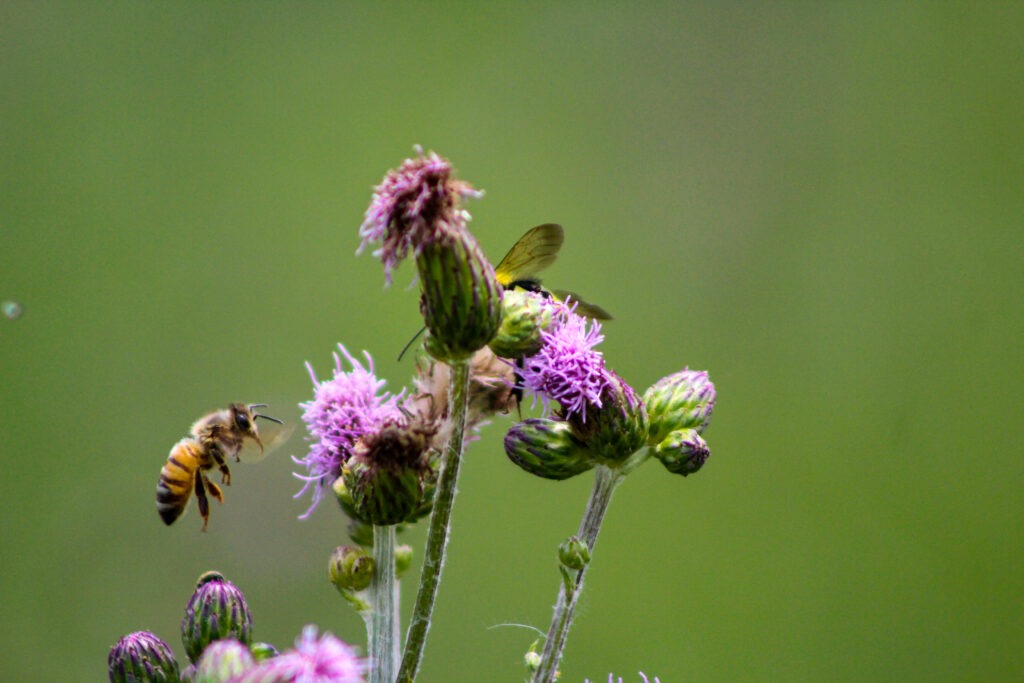
It’s no secret that pollinators are a key piece of the puzzle when it comes to the environment and human life. In fact, according to the USDA, more than 150 common food crops in the US depend on pollinators including almost all fruit and grain crops.
“Flowering plants assist in carbon sequestration and produce the oxygen we breathe,” said Van Etten. “Flowering plants also purify water, prevent erosion and reduce sedimentation, all of which help contribute to a healthy and functioning ecosystem. Without pollinators such as honeybees, bats, butterflies and slugs, the ecosystem we rely on for day-to-day life would collapse.”
PPL Electric has developed numerous partnerships with conservancies around northeastern and central Pennsylvania to provide pollinator-friendly plants and seeds for easements, similar to what’s taking place in Kellys Run Preserve. In addition to taking action around the region, PPL Electric’s Community Roots Program has also contributed to the planting of more than 100 acres of native pollinator-friendly wildflowers thanks to seed donations to schools, community organizations and environmentally focused groups since 2017.
If you’re looking to join PPL Electric and Lancaster Conservancy in helping these very important pollinators, Van Etten says there are ways to create pollinator-friendly habitats where you live.
“Lancaster Conservancy protects and restores large tracts of natural lands, but we need our community to help create wildlife habitat in other places, especially in developed areas,” said Van Etten. “Birds, insects, and other animals need corridors of connected habitat to thrive. The Conservancy has resources to help. Visit lancasterconservancy.org/habitat to learn more about how you can help create pollinator habitat in your own flowerpot, yard or community.”
And, to learn more about all of the ways PPL Electric is helping to protect and enhance the environment, visit pplelectric.com/environment.
Jun 4, 2024 | Environment
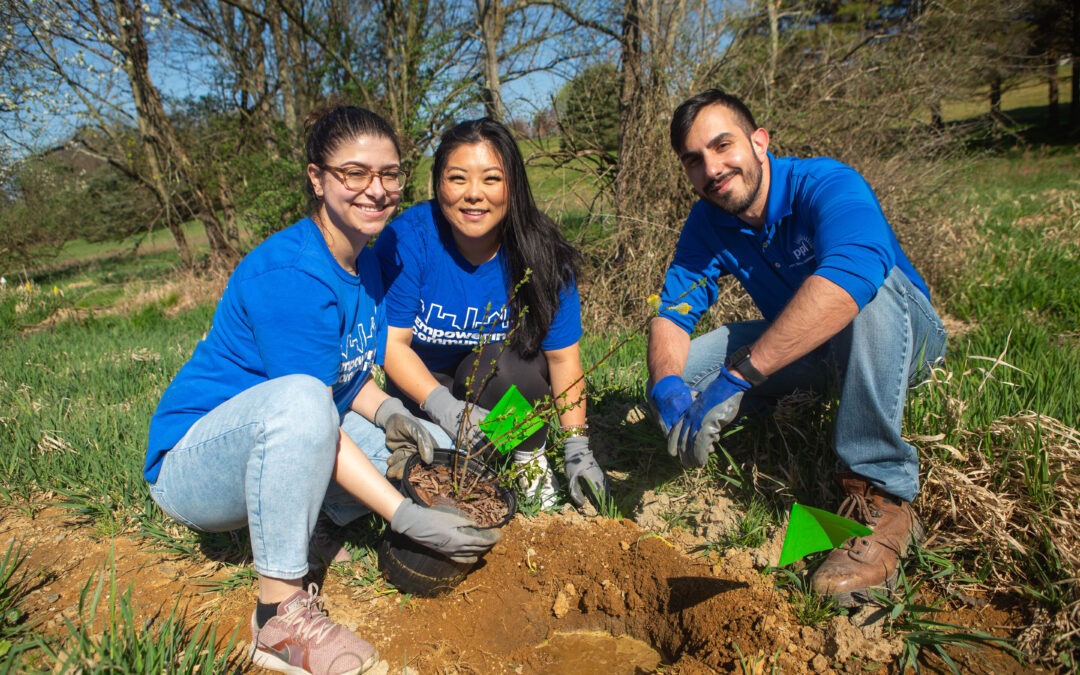
 Thanks to our environmentally conscious customers, Pennsylvania is now 5,000 trees richer!
Back in April, we ran a campaign to encourage customers to sign up for paperless billing in celebration of Earth Month. The premise was simple, for every customer that enrolled in paperless billing during the month, we’d commit to plant a tree within one of the many communities we serve thanks to our Community Roots Program. And we’re happy to report that we’ll be planting 5,000 new trees across our service territory.
Mature trees can absorb more than 48 pounds of carbon dioxide from the atmosphere each year, according to the Arbor Day Foundation. Which means these trees — thanks to our customers — will grow up and absorb more than 240,000 pounds of carbon dioxide each year, the equivalent of removing approximately 26 gasoline-powered vehicles from roads annually. With just one small change, you’ve helped the environment in a big way. Thank you to everyone who went paperless in April!
Our Community Roots Program, which began in 2017, provides native trees and pollinator-friendly plants and seeds that enhance the environment and help beautify the region. Since the program began, we’ve distributed more than 132,000 trees, shrubs and native pollinator-friendly plants across eastern and central Pennsylvania.
Learn more about our Community Roots Program, and all our environmental efforts, at pplelectric.com/environmental. And, if you haven’t enrolled in paperless billing yet, sign up today at pplelectric.com/paperless.
Mar 3, 2024 | Community Involvement
Being part of the communities we serve goes beyond delivering safe, reliable electricity. Through PPL Foundation Empowering Communities Grants, we support local programs focused on environmental stewardship and education, economic development and/or workforce development.
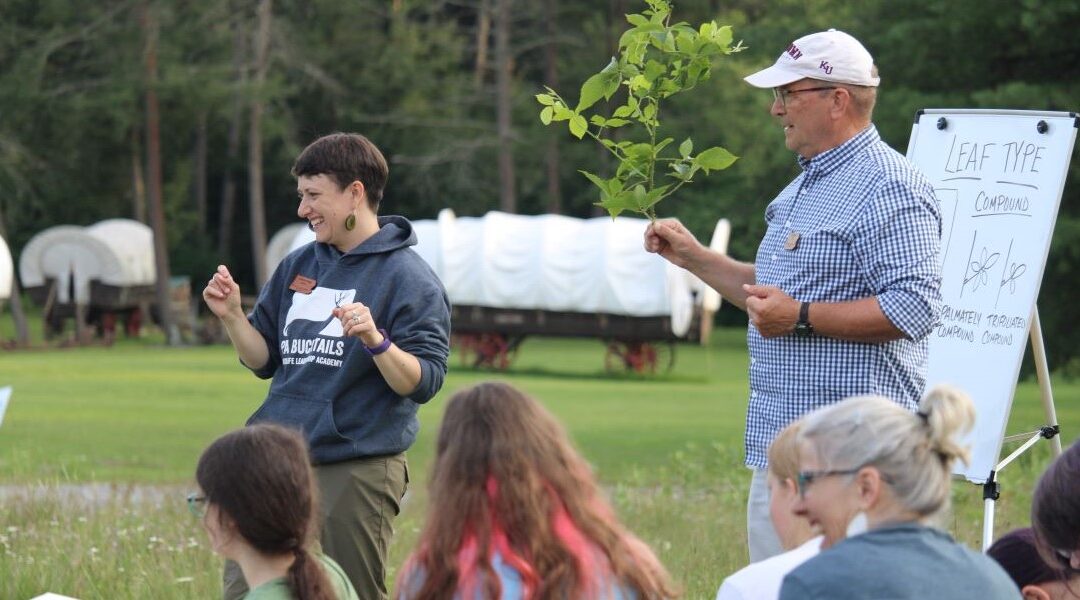
The Wildlife Leadership Academy in Lock Haven recently received a grant from the PPL Foundation. The academy’s using this funding for its programming, allowing students to have more printed materials and hands-on learning opportunities in its field schools.
Now in its 18th year, the academy hosts five different field schools during the summer. It has held 57 field schools and graduated over 1,000 alumni across Pennsylvania and 13 other states.
“We aim to engage and empower high school-aged youth to become conservation ambassadors,” said Sara Mueller, Executive Director of the Wildlife Leadership Academy. “Once they’ve engaged with us for a week, they go back into their communities and do outreach, service projects, creative arts projects, engaging with the media – really having an impact.”
The academy welcomes 100 new students every year, developing conservation and leadership skills through hands-on teaching. The students are broken into teams and led by a peer mentor who took the course the previous summer.
“The a-ha moment is the most rewarding piece for me,” Mueller said. “Students come to us with an idea of what conservation and leadership are, and we really engage them over the course of the week. We don’t just watch the student change, but we then watch how they change their communities.”
The students say that the 40+ hours they spend at the academy is a transformative experience.
“The experience has allowed me opportunities and I have been impacted in many ways,” said Sarah Klecanda, a former student. “It’s important that we teach others to protect our natural world; education will help us toward our goal of conservation.”
As the academy gears up for another wave of students, it’s beginning a new program that will use fly fishing as the hook for interested conservationists. Mueller hopes this program, called the Stepping Stones Program, serves as a stepping stone toward a future of possibilities for the academy.
“We can take that recreational aspect and apply it to several other outlets like bird watching and canoeing,” she said. “We’re also looking to expand the opportunities that we already have for our alumni. So many people learn by doing, so we give them the book knowledge and the opportunity to apply that knowledge in the field. We’re creating conservationists, but we’re also creating leaders.”