May 27, 2020 | Safety and Security
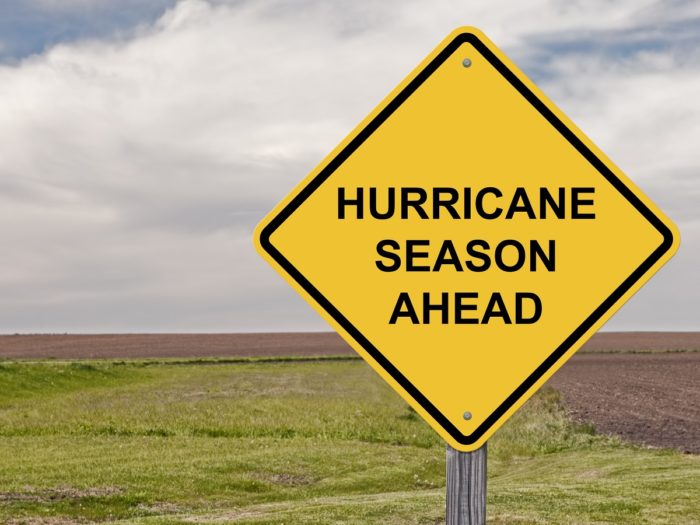
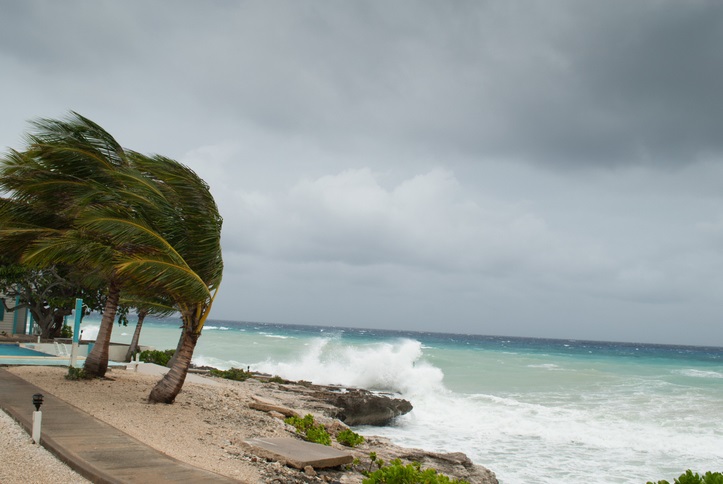
Looks like 2020 is at it again. Weather scientists are predicting a more active than normal hurricane season this year. Even though we’re working a bit differently these days, we’ll be ready if any of those storms affect central and eastern Pennsylvania.
We want you to be ready too. Stay alert by tuning into local weather reports and check out our tips to prepare for severe weather.
When the National Oceanic and Atmospheric Administration (NOAA) released its hurricane season predictions on May 21, acting Administrator Neil Jacobs noted the upcoming season was no different than any other, in the sense that early planning and preparedness is essential. We couldn’t agree more.
NOAA predicted the likelihood of 13-19 named storms, 6-10 hurricanes and 3-6 major hurricanes (Category 3 or higher) this season, which officially runs from June 1 through November 30. What’s considered average? NOAA says a normal hurricane season will bring 12 named storms, 6 hurricanes and 3 major hurricanes.
The approaching warmer weather not only ushers in hurricane season, it’s also prime time for thunderstorms and other severe weather. However, our continued grid investments have reduced the impact of these storms. From 2011 to 2019, we reduced the annual number of customer interruptions by 30 percent. Since 2010, we’ve also reduced the overall frequency of these interruptions by nearly a third.
Our extensive use of smart grid technology helps us reduce outages, along with other things like replacing aging equipment with stronger, more storm-resistant poles and wires, comprehensive tree trimming, improved lightning protection, expanded use of animal guards, and more.
Strong storms like hurricanes will still produce some power outages, but no matter the circumstances, we’re prepared to work around the clock to get the lights back on. The pandemic may have us working differently, but we’re still delivering for our customers no matter what Mother Nature – or 2020 – throws at us.
Visit pplelectric.com/safety and pplelectric.com/outage for great information on how to stay safe before, during and after a storm.
Mar 9, 2020 | Safety and Security
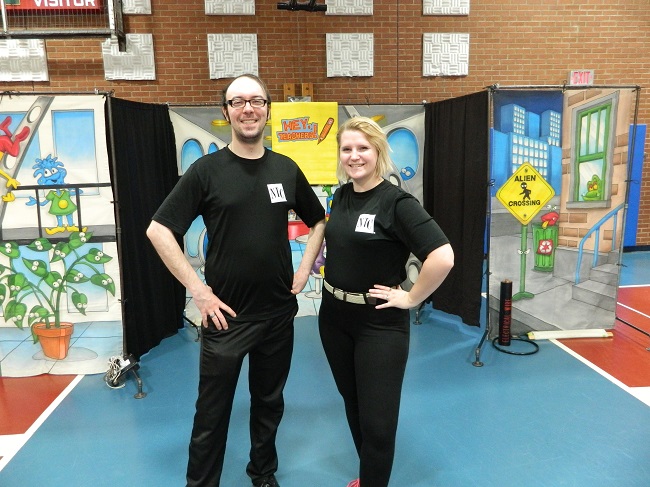
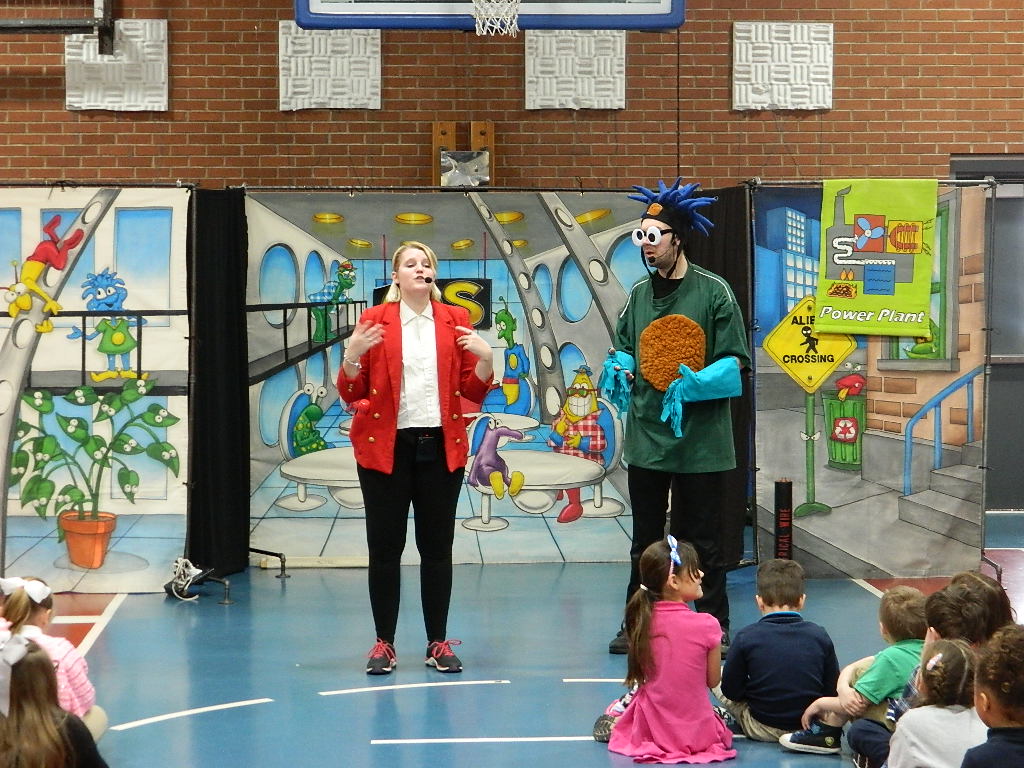
Students across Pennsylvania are getting a “charge” out of our electrical safety theater program!
They’re laughing, repeating electrical safety tips and learning valuable lessons about how to stay safe near electricity.
It’s the sixth year that we’ve partnered with The National Theatre for Children to offer this program to schools in our territory. There’s no fee for the schools to participate; the only requirement is a crowd of young minds eager to learn about electricity!
During March, we’re sharing these lessons at more than two dozen schools with performances of “Agents of Safety.” Nearly 10,000 children from Scranton to Allentown and Harrisburg to Williamsport will see the performance this month. The show teaches students how electricity is made, the uses of electricity and helps them identify dangerous electrical situations. Teachers are also given materials on electrical safety to share with their students prior to the performances.
By the time the final show takes place in the Mechanicsville area on March 20th, PPL will have shared the safety program with more than 90,000 students since 2015! That’s a lot of kids increasing their electrical safety IQ.

Jan 16, 2020 | Safety and Security
It’s winter storm season in Pennsylvania. Even if you don’t tune into the weather reports, you’ll recognize the signs of an impending storm by the parking lot of your local grocery store.
So how can you prepare in advance and stay safe when a winter storm strikes? We have some tips that will help before, during and after the snowfall.
Before:
- Create a household and vehicle emergency kit with all the essentials, including water, food and any medication you take on a daily basis.
- Listen for weather alerts and advisories so you’re not caught unprepared.
- Charge your cell phone and keep a flashlight nearby in case of a power outage.
During:
- Stay off the roads. This helps clear traffic for first responders.
- If you have a generator, make sure to follow our Emergency Tips for storm and generator safety.
- Stay warm and indoors. It’s a great time to pile on the blankets and cuddle up with a good book.
After:
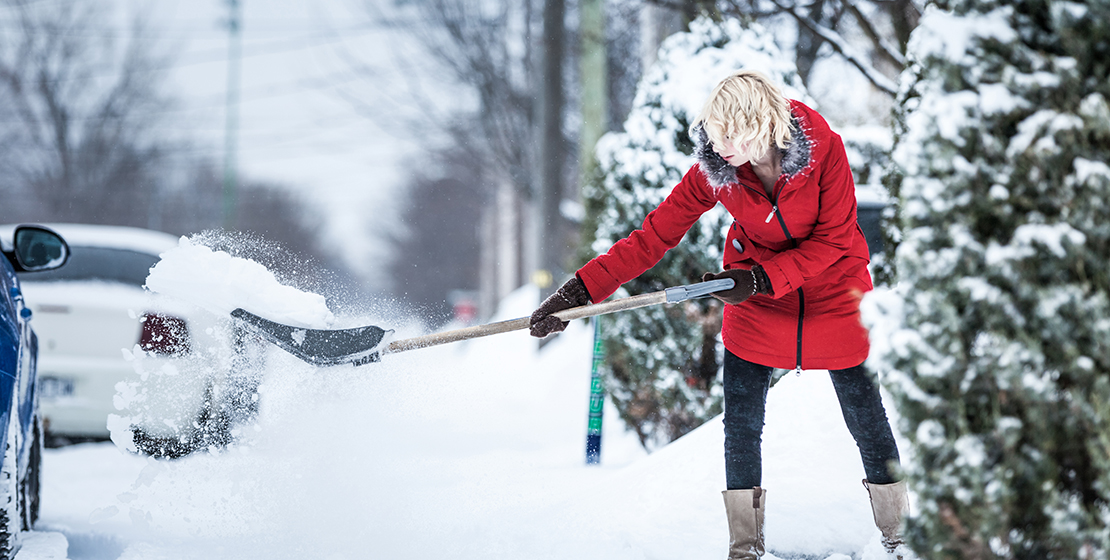
- When shoveling snow, dress warm and limit your time outside to avoid frostbite and overexertion.
- Monitor the weather alerts and advisories before heading out on the road.
The Department of Homeland Security offers even more information on staying safe during snowstorms. Check out their resources at ready.gov/winter-weather.

Aug 27, 2019 | Safety and Security
“This is a test of the Emergency Broadcast System.”
It’s a phrase we’ve all heard countless times from our radios or TVs. We’ve heard it so many times that it’s easy to stop paying attention.
The fact is that the Emergency Broadcast System — and other warnings like it — can provide life-saving information when disaster strikes.
September is National Preparedness Month. It’s the perfect time to learn about the various warning systems that will alert your family in the event of a natural or man-made crisis.
Wireless Emergency Alerts (WEAs)
WEAs are sent directly to your cell phone by state or local public safety officials, the National Weather Service, the National Center for Missing and Exploited Children, and the president of the United States.
Emergency Alert System (EAS)
The EAS is a national public warning system that requires all satellite, cable and radio broadcasters to provide the president with a capability to address the American people within 10 minutes during a national emergency. EAS also may be used by state and local authorities.
NOAA Weather Radio (NWR)
NWR is a nationwide network of radio stations that broadcast continuous weather information from the nearest National Weather Service office.
For more information on emergency preparedness, visit www.ready.gov. If you experience a power outage, don’t forget to report it online, call 1-800-342-5775 (1-800-DIAL-PPL) or text “Outage” to TXTPPL (898775).

Aug 13, 2019 | Safety and Security
Summer is winding down, but there’s still plenty of time to enjoy the outdoors. For many of us, outdoor fun in the summertime means splashing around at a nearby pool or relaxing by a stream with a fishing pole in hand.
Water and electricity can be a deadly combination. At PPL Electric Utilities, we always think about safety first. Here are a few tips to stay safe from electrical risks as you enjoy the water this summer.
Swimming is a great way to cool down, but it carries dangers beyond drowning. Pools, hot tubs and spas can all be sources of electrical risks. According to the U.S. Consumer Product Safety Commission (CPSC), these hazards can come from several sources, including faulty underwater lighting; aging, uninspected (or at least not in years) electrical wiring; the use of sump pumps, power washers and vacuums that are not grounded; and, electrical appliances or extension cords that inadvertently end up in the water.
How can you keep your family safe? Ensuring that you have Ground-Fault Circuit-Interrupters (GFCIs) installed for all lighting, circuits and receptacles near water is a good first step. You also need to be aware of any sources of electricity near water. The CPSC has some good advice: “The best protection for families is inspection, detection and correction of electrical hazards in and around the swimming pools, hot tubs and spas.”
Fishing is another popular summertime activity that also carries some electrical risk. Because fishing rods and poles are made from metal, carbon fibers or similar conductive materials, contact with overhead power lines is a possibility.
If your fishing pole touches a power line, it can cause electric shocks, severe burns and even death. To stay safe, always “look before you hook.” Be aware of your surroundings and don’t get too close to overhead power lines when you’re fishing, or when you’re carrying your pole to or from a fishing spot.
Another safety tip is to make sure you unpack, set up and put away your equipment at the water’s edge, not in the water itself.
For more information on electrical safety, visit the websites of the CPSC or the Electrical Safety Foundation International (ESFI). You can also check out our PPL Electric Utilities website, or follow us on Twitter, Facebook or Instagram. We’re always sharing valuable tips about electrical safety, energy efficiency and much more.
Stay safe and enjoy the rest of the summer!