
As the winter chill sets in, keeping your home warm and comfortable is top of mind. If you rely on electric heat, it may drive up your winter electric use. Proper maintenance and smart energy management can help you stay cozy and keep your winter heating use in check.
Make the most of your heating system with the tips and information below.
13 cold-weather savings tips
Baseboard heating tips:
- Keep baseboard heaters clean. Regularly dusting and vacuuming the coils of your electric baseboard heaters can improve their efficiency. Dirty heaters require more energy to generate heat.
- Avoid blocking the flow of warm air. Since electric baseboard heaters use convection and natural air currents to heat your space, it’s especially important to make sure that furniture, drapes and carpets are at least one foot away from them.
- Focus on heating the rooms you use the most and close doors to unused spaces to help concentrate the heat where it’s needed. You can save up to 20% on your energy costs by keeping baseboard heaters on only in the room you’re in, according to the Department of Energy (DOE). Be sure that any pets or plants are moved to heated areas of your house before turning off baseboard heaters in unused rooms.
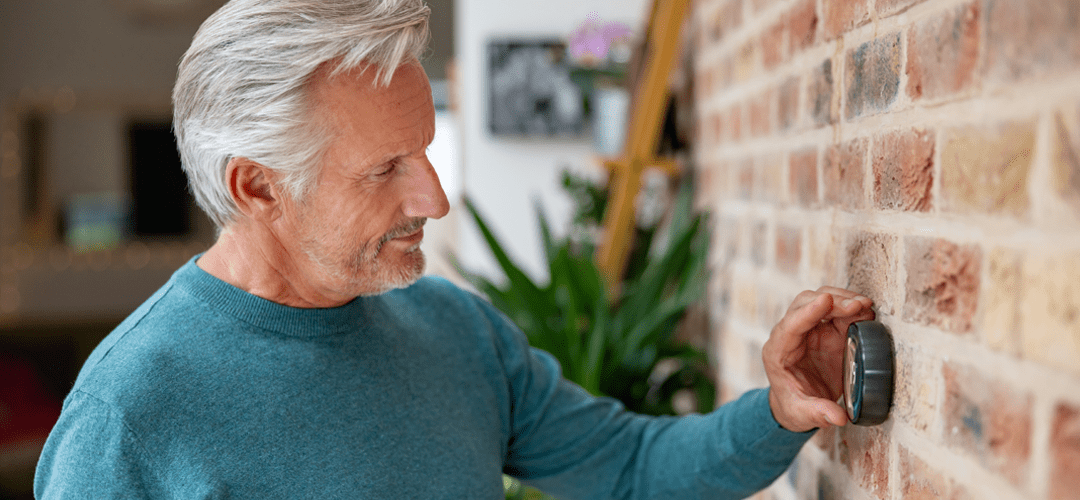
- Verify that your thermostat is functioning correctly. A faulty thermostat can lead to inaccurate temperature readings and inefficient heating.
- For older baseboard heating, consider upgrading to newer, energy-efficient heating systems, such as ductless heat pumps. They’re designed to provide better performance while using less electricity.
Tips for heat pumps:
- Set your thermostat to remain at a constant temperature, and limit any adjustments to 3°F or less so your heat pump doesn’t run inefficiently to catch up. The DOE recommends setting HVAC systems to 68°F in the winter, or lower while you’re asleep or away.
- Use “heat” mode for your heat pump’s temperature setting (instead of “auto”). Then set the heat pump fan on “auto.”
- If you have a backup heating system, set your heat pump higher and the backup system lower so that the heat pump is doing most of the work. If your backup system is the only source of heating in places like your basement, be sure it’s set high enough so that pipes won’t freeze.
General energy efficiency:
- Check for leaks and seal drafty areas of your home with weatherstripping or caulk. You can place draft stoppers at the bottom of doors to minimize heat loss.
- Use your ceiling fans to move warm air around a room, allowing you to turn down your thermostat a few degrees and save energy.
- Kitchen and bath exhaust fans can pull in cold air from the outside. Try to limit their use to no more than 20 minutes.
- If your heating system uses ducts, be sure that the air-intake vents and all other vents are free of dust.
- Keep an eye on your energy usage patterns. They can help you identify performance issues with your heating system or habits you may wish to adjust.
Looking for more ways to save?
A range of seasonal savings solutions are ready and waiting—discover all the ways we can help.
0 Comments