Jan 27, 2021 | Energy Efficiency
This winter, you can keep cozy inside – and enjoy smart energy savings – by making sure your heating system is running at maximum efficiency. Here are a few simple steps you can take:
- Change your heating system’s air filter. A dirty air filter reduces your home’s air quality and the airflow through your HVAC system. Changing or cleaning the filter once a month will not only give you fresher air and prolong the life of your HVAC system, but it will save you money.
- Have your heating system inspected at least once a year. HVAC technicians can keep your system operating properly and efficiently. Annual inspections help you save energy, help your heating system live a longer life and prevent emergency problems from developing in the dead of winter. If your system needs replaced, be sure to have it properly installed. According to ENERGY STAR®, improper installation can reduce the efficiency of your system by up to 30%, costing you more on your utility bills.
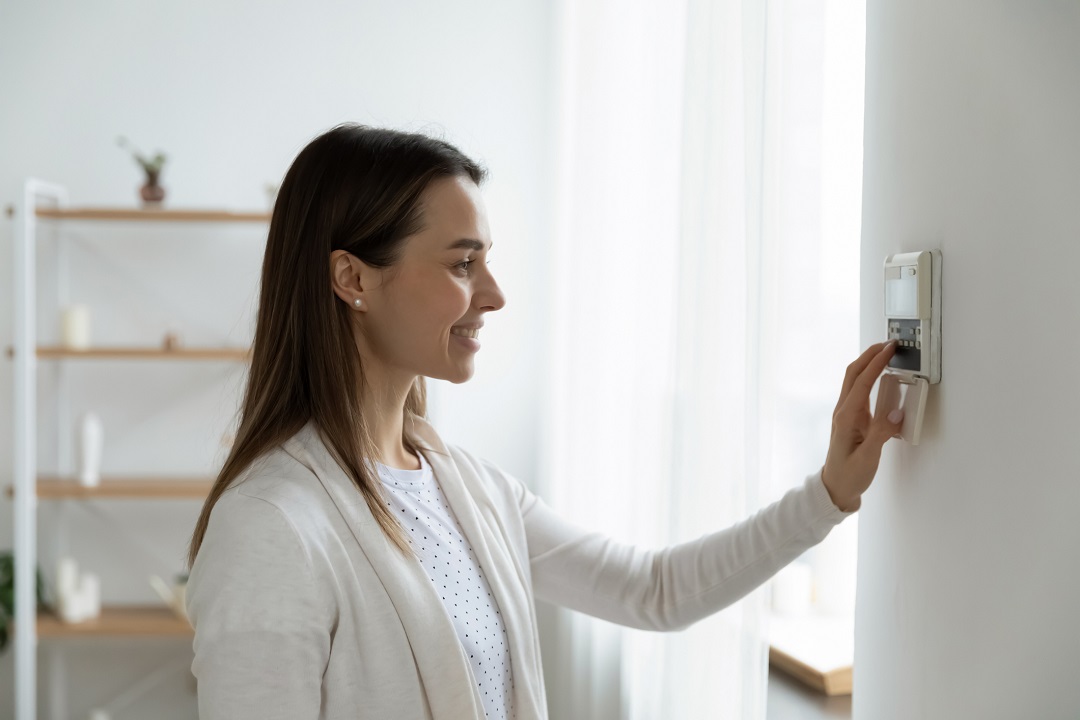
- Use the “auto” setting on your thermostat. This will make sure your HVAC system only turns on when your indoor temperature drops below a certain temperature. Having the fan push air through your home all day and night wastes energy and adds to the wear and tear on your system.
- Upgrade your home’s insulation. In a well-insulated home, less heat escapes in the winter and less cool air escapes in the summer. That means you stay comfortable and reduce the amount of energy you use. The U.S. Environmental Protection Agency estimates that homeowners can save an average of 15% on heating and cooling costs by adding insulation and sealing cracks and openings.
Dec 8, 2020 | Energy Efficiency
Ever wonder how you can save electricity? It doesn’t have to be expensive or complicated! In fact, there are many no- and low-cost ways you can use less energy. Here are 80 tips to have you save energy and money year-round.
Heating
Heating your home accounts for more than 30 percent of an average home’s energy bill – the single biggest energy expense in your home. Here are some ways that you can be more energy-efficient when heating your home:
- Turning the thermostat down about one degree saves about 2 percent on your heating bill. Turning it down five degrees saves about 10 percent.
- To save energy, set your thermostat at 68° F in the winter and 78° F in the summer, if possible.
- Set your thermostat cooler overnight.
- A programmable thermostat lets you easily lower the temperature when no one is home and while you’re sleeping. You could save as much as 20% on your heating costs.
- A tightly sealed home keeps the air you heat or cool inside and the outdoor air outside. Make sure your walls and attic are properly insulated. Adding insulation is one of the best savings measures you can do.
- Sealing leaks in your air ducts can reduce heating costs by up to 20 percent.
- Electric outlets let cold air into the house. Remove the outlet covers and insert special insulation underneath. Use special insulating plugs in outlets that are not being used.
- Your house will not warm up any faster if you raise the thermostat setting. When your heating system is on it runs at the same rate regardless of the temperature setting.
- Regular maintenance of your heating and cooling system will improve its efficiency and extend its life. Have your system inspected and serviced each year in the spring or early summer by a professional technician. Keep in mind that the longer you put off service, the less efficient your system becomes and the more money you will spend running it.
Lighting
Did you know about 10 percent of your electricity bill is spent on lighting? Here are some easy ways to save energy.
- Switch to light-emitting diode (LED) bulbs. LEDs use up to 75 percent less energy and last up to 20 times longer than traditional incandescents. Because they’re so energy-efficient, LEDs can save you up to $135 over the life of the light bulb.
- Keep light bulbs clean. Dirt can absorb as much as 50 percent of the light.
- When buying new lighting fixtures or bulbs, look for the ENERGY STAR® label. They are the most energy-efficient on the market.
- Turn off the lights when you leave a room. This energy-saving measure has been around since Edison, and it’s as effective as ever.
- Have trouble remembering to turn the lights off? Occupancy sensors automatically switch them off once you leave a room – saving you money.
- Operating outdoor lights all night adds up. Use outdoor lighting with motion sensors.
- Timers that automatically turn lights on and off can reduce your energy use and improve safety by making a house seem occupied even when you’re away.
- Unplug unnecessary lights. When unplugging lights, pull on the plug not the cord. Pulling on the cord will damage it and create a safety hazard.
- Keep lights off during the day. Use daylight whenever possible, rather than turning on overhead lighting.
- Buy ENERGY STAR light fixtures and lamps; they can use one-quarter of the energy traditional fixtures use.

Home Electronics
About 75 percent of the power used by electronics is wasted energy called “phantom power.” Don’t let phantom power raise your electricity bill.
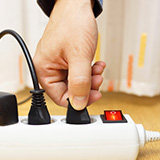
- Use smart power strips with electronics such as your home entertainment center and computer. Smart strips automatically power down electronics you’re not using, while continuing to provide power to those that need it.
- Unplug chargers and power adapters when not in use. When your cell phone, digital camera or laptop is finished charging, the charger still draws energy unless you unplug it.
- Make sure your computer’s “sleep” mode is enabled. The computer will switch automatically to a low-energy mode when you’re away, cutting energy usage by more than half.
- Screensavers don’t save energy. The best way to reduce your computer’s energy use is to turn it off when you are not using it.
Appliances
Energy-efficient appliances and equipment can save money for years to come. If you’re purchasing a new appliance, check out the ENERGY STAR® models. They help you go green by using less energy. Here are some low-cost and no-cost ways to save:
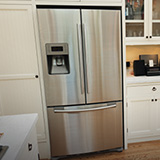
- Check refrigerator and freezer temperatures to make sure they are not wasting energy. Refrigerators should be 36° F to 38° F and freezers should be 0° F to 5° F.
- Keep refrigerators and freezers away from heat-producing appliances or direct sunlight and they will not have to work as hard to keep things cold.
- Unplug kitchen appliances you’re not using. For example, coffee makers draw electricity 24/7. If you don’t use your coffee maker’s timer for automatic brewing, unplug it when you’ve finished brewing your coffee.
Kitchen
Remember that each of your appliances has two price tags: the purchase price and the price you pay to run that appliance over its lifetime. Choosing the most energy-efficient appliances will help reduce operating costs for years to come. Other tips:
- When you’re cooking, don’t open the oven door to take a peek. Each time you open the oven door the temperature drops 25 to 50 degrees and your oven uses more energy.
- A clean oven cooks more efficiently. Keep drip pans and oven surfaces bright and shining.
- Preheating the oven is only necessary for baked goods that require a precise starting temperature. If you must preheat, keep in mind that most ovens preheat in 10 minutes or less.
- Turn off your oven a few minutes before the cooking time is up. The oven will retain enough heat to finish cooking your meal.
- Use the microwave for smaller quantities of food. Cooking a potato in an electric oven costs about 10 cents. In a microwave, the cost is about 2 cents.
- Glass or ceramic pans are more efficient for cooking than metal pans. You can save money by lowering the oven temperature by 25 degrees and still cook in the same amount of time.
- In the self-cleaning mode, your oven reaches temperatures of 850 degrees. You can save energy by starting the self-cleaning cycle after cooking, while the oven is still warm.
- Boiling water doesn’t get any hotter, so once your water is boiling you can turn down the burner.
- Thaw frozen foods in the refrigerator instead of the oven. It takes longer, but you’ll save energy. If you are really pressed for time, use the microwave for thawing.
- The fridge and freezer account for almost 6 percent of the average home’s utility bill. Stick to the right temperature. Keep your fridge between 36° F and 38° F. Set your freezer between 0° F and 5° F.
- Oversized appliances waste energy. Choose an extra-large dishwasher or fridge only if you have a large family that needs it.
- Use an exhaust fan to pull hot air out of your kitchen while cooking. The savings in cooling costs outweigh the cost of running the fan.
- Make sure your refrigerator has enough room behind it, and if you have have an older model, vacuum behind your refrigerator at least once a year to remove dirt and dust from the coils. Dust buildup not only increases energy use, but it also may cause the unit to break down.
- Use your dishwasher. You can save 5,000 gallons of water each year and $40 in utility costs instead of hand-washing dishes, according to ENERGY STAR.
- Let your dishes air dry; if you don’t have an automatic air-dry switch, turn off the control knob after the final rinse and prop the door open slightly so the dishes will dry faster.
Water Heating
Water heating is the second largest use of energy in most homes. Check out these ways to reduce that expense:
- Set the water heater thermostat to 120 degrees. It’s one of the easiest ways to save.
- Ninety percent of the energy used by a washing machine is to heat the water. Go green by washing clothes in cold water, which cleans clothes just as effectively as warm or hot water in most situations.
- Wrapping your water heater with an insulating blanket can help you save on your electric bill. To see if your tank needs insulation, place your hand on the tank. If it feels warm, a blanket could help.
- Insulate your hot water pipes. It’s easy to do and inexpensive. Pipe insulation made of fiberglass or foam can be found in building supply stores.
- Minimize water use while you’re brushing teeth, shaving and washing your hands.
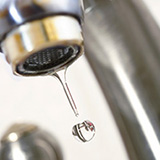
- Stop the drips. A faucet that drips once per second can waste 400 gallons of water a year. If the drip is hot water, that will cost you if you have an electric water heater.
- Replacing older showerheads with low-flow units could save a family of four as much as 15,000 gallons of water per year, reducing water heating costs by over $150.
- If you’re going on vacation, turn down the thermostat on your water heater. If there is no risk of freezing you can turn it off completely when you’ll be away for several days.
- Buy a water heater that fits your needs. If you buy one that’s too big you’ll pay to heat up water you don’t need.
- Take short showers; they use less hot water than baths.
Laundry
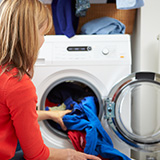
There are two ways to reduce the amount of energy used for washing clothes: use less water and use cooler water. Here are some tips:
- Cold water can clean clothes just as effectively as hot water in most situations. Wash in cold water to save energy and money.
- Two small loads of laundry use about twice the energy as one full load. By combining loads together you reduce your energy use.
- If you have to wash a partial load, be sure to match the load setting on your washing machine to the size of the load. The load setting determines how much water is used.
- If you are thinking about a new clothes washer, look for ENERGY STAR® models. These are the most energy efficient models on the market and can cut utility bills by an average of $50 per year.
- Dry towels and heavier cottons in a separate load from lighter weight clothes.
- Don’t over-dry your clothes. If your machine has a moisture sensor, use it.
- Consider air-drying your clothing on clothes lines or drying racks. Plus air drying is recommended by clothing manufacturers for some fabrics.
Water Conservation
- Fix leaks. Small leaks add up to many gallons of water and dollars wasted each month. Water conservation saves energy and money.
- Use water-saving faucets, showerheads and toilets to save water.
- If buying a new water heater, always buy the most efficient model possible.
- When landscaping, use plants native to Pennsylvania that require minimal watering and possess better pest resistance. If local code allows, consider diverting “gray water” for irrigation.
Cooling
Nearly half of the average home’s electricity use goes to cooling and heating the home, according to ENERGY STAR. If you’d like to reduce your cooling costs, try these tips:
- Before you turn on the air conditioner, reduce your need for cooling. Use fans and natural ventilation first.
- A breeze on a non-humid summer day can keep you cool if you’re able to open the windows. Instead of turning on the air conditioner, open doors and windows on opposite sides of the house for cross-ventilation.
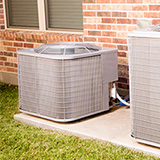
- Clean your filters monthly. Dirty or clogged filters block airflow and reduce efficiency.
- Fans use less energy than air conditioning. Use a ceiling fan if you have one because they are more effective than other fans.
- As long as indoor humidity is not very high running a ceiling fan allows you to set the thermostat four degrees higher without a noticeable change in comfort.
- If you are thinking about a new air conditioner, look for ENERGY STAR® models. They are the most efficient on the market and will save energy.
- Your house will not cool any faster if you lower the thermostat setting. Lowering the thermostat just makes the air conditioner run longer and use more energy.
- Do not add heat or humidity to your home, particularly during the hottest parts of the day. For example, turn on the dishwasher at night or when you leave the house.
- Each degree you raise the thermostat on your air conditioner saves 2 percent on your electric bill. Set your thermostat at 78 degrees or higher, if possible, for maximum savings.
- Close drapes and shades on windows during the day to keep heat from the sun out of your house. In the evening, open drapes and shades to let heat escape through the windows.
- Use a dehumidifier instead of turning on the air conditioner. You will be comfortable at higher temperatures if you reduce the humidity in your house.
- Use an attic fan to get rid of heat buildup. Heat from the attic eventually finds its way into your home.
- Room air conditioners work best when they are not exposed to the sun. Install your air conditioner on the north side of the house or take advantage of shade from trees.
- Make sure room air conditioners are installed tightly to avoid the cool air escaping. Seal any gaps along the sides of your room air conditioners with foam insulation. Your air conditioner needs to work much harder if the cool air is escaping.
- When you’re using central air conditioning, a programmable thermostat allows you to adjust the temperature when you’re away or sleeping.
- Look around the house and check the air vents and registers. If they are blocked by furniture or drapes, the air will not reach the rest of the room.
- Make sure air conditioner thermostats are not near electronics or other items that produce heat; the thermostat will read higher than it should.
- You may be able to lower your cooling costs by switching light bulbs. LEDs emit very little heat, unlike traditional light bulbs.

Nov 10, 2020 | Energy Efficiency
It’s not too late to prep your home for winter energy savings. All it takes is several small changes to achieve big savings for you and your family.
Capture the sun’s light and heat. During the day, leave your curtains and blinds open to illuminate your rooms naturally and gain warmth from the sun. At night, close your curtains and blinds to prevent that free heat from escaping.
Prevent fireplace heat loss. When you’re not using your fireplace, keep the damper closed so warm air doesn’t escape through the chimney. Energy-efficient fireplace grates also help you save by pulling cool air out of your room and into the fireplace, while bringing warm air back in the room.
Reverse the direction of your ceiling fans. Sometimes we forget that ceiling fans are just as important for keeping you warm as they are for keeping you cool. Flip the switch to change the direction of the blades so they spin clockwise, which will push warm air downward.
Adjust the thermostat according to the time of day. When you’re home and awake, set the heat as low as it feels comfortable. Aim for 68 degrees as an optimal temperature. Wearing warmer clothing or grabbing a blanket can help keep you cozy. Then, while you’re sleeping or out of the house, lower the thermostat by 10 to 15 degrees. Doing so for at least 8 hours can save around 10% on your heating bill. A programmable thermostat will make it easy to save. You also don’t have to heat all rooms equally. Using an energy-efficient space heater in your most common rooms allows you to keep the main temperature lower.
Winterize your windows and doors. First, if you haven’t removed any window air conditioning units, do that now! Next, you’ll want to inspect all your doors, windows and ductwork for gaps that could leak heat from your home. Many of these cracks and leaks can easily be fixed with caulk and weatherstripping, which can add up to a lot of savings.
Following these energy-efficiency tips can help you save. For more info on our tools, tips, and programs, visit savewithppl.com.

May 8, 2020 | Energy Efficiency
Tips to save while you’re home
Many of us are spending much more time at home – all day, every day. That means working from home, attending classes at home and using our appliances, devices and other electronics A LOT. Here are a few tips and tools – courtesy of PPL’s energy efficiency program – that can help you save energy and money without leaving the comfort of your own home or making an investment. Our free Online Energy Assessment provides you with energy saving recommendations and offers personalized for your home or you can use the guiding principles below.
Make your home more efficient.
Check your thermostat. Heating and cooling is often where most homes use the most energy. Most of us are still running our heat – and 68° F is the recommended heating setting for energy efficiency. For those who already have a programmable thermostat, it should automatically adjust the temperature for optimal energy use. This is a good time to review your settings to make sure your thermostat matches your family’s new schedule. Lowering the thermostat is one simple change, and you can always snuggle up with an extra blanket or layer your clothing to stay as comfortable as possible.
Check your air vents and registers. If they’re blocked by furniture or drapes, the air won’t reach the rest of the room.
Use hot water wisely. Water heating accounts for the second largest use of energy in most homes. There are a few things you can do to help cut this down. First, confirm the temperature on your hot water heater. Setting its thermostat to 120 degrees is another easy way to save. Short showers use less hot water than baths. Using less hot water means less energy used.
Optimize your kitchen. Many of us have a full house for the foreseeable future – and the kitchen is another opportunity to save. You can save yourself the energy from firing up the stove or oven by using your microwave or toaster oven to reheat or cook small portions. Use a covered kettle or pot, or electric kettle to boil water. It’s faster and uses less energy.
It’s also important to match the cooking method to the meal. When the weather permits, fire up the grill. When it doesn’t, using a slow-cooker and pressure cooker more are good alternatives. They’re convenient and use less energy than your stove and oven. And if you need to use the oven, make multiple items to get the most use for your energy dollar. And be sure to match the size of your pots and pans to the heating element for efficient cooking.
Food storage is also particularly top of mind right now. Don’t keep your refrigerator or freezer too cold. Recommended temperatures are 35° F – 38° F for the fresh food compartment and 0° F for separate freezers for long-term storage. You should cover liquids and wrap foods stored in the refrigerator. Uncovered foods release moisture and make the compressor work harder, using more electricity.
When it’s time to clean up, be sure you’re running a full dishwasher. Running partial or small loads wastes energy.
As the laundry piles up. Whether we’re stuck home or out and about, one thing is certain: Laundry never stops. When possible, wash your family’s laundry with cold water instead of hot and wait to wash full loads. Hot water is typically only necessary for very dirty laundry. And when it comes to laundry, don’t forget to clean the lint filter on your dryer. Clogged filters can prevent the dryer from doing its job efficiently.
Home office and electronics. Make it a point to turn off the computer and monitor or unplug chargers when they are not in use. Many electronics still use power even when they’re in standby mode. To help, plug your home electronics into power strips. With the flip of a switch, you can turn the power strip off when the equipment is not in use.
Last one out, turn off the lights. Since we use and need lighting throughout our homes, it’s important to remember that even something as small as a nightlight uses energy. We know how important it is to turn out the lights when we’re not in the room and use daylight when possible.
It may seem like you’re chasing your kids around shutting off lights all week – but it’s also important to have energy saving bulbs, like LEDs in the fixtures you use most. And on sunny days, take advantage of natural sunlight as well.
Making these changes part of your regular routine is easy, and can you get the most out of your energy dollars.
Explore More Tips to Save

Mar 12, 2020 | Energy Efficiency
It’s time to open the windows, break out the mop and start cleaning.
Spring cleaning is the perfect time to think about energy efficiency. Work these seven tips into your routine to save energy and money.
- Change the direction of airflow on your ceiling fan: In the winter, the fan should rotate clockwise to push warm air toward the floor. In spring, switch the direction so the blades draw air upward, cooling the room with constant airflow.
- Keep your blades clean: While you’re up there changing the direction of your ceiling fan, dust the blades. This will keep the fan running efficiently. This is also a good time to check for dust around the motor housing.
- Install window treatments: Energy-efficient window treatments or coverings – such as blinds, shades and films – do more than improve the look of your home. They also slash heat gain when temperatures rise, reducing your energy costs.
- Bring in sunlight: During daylight hours, switch off artificial lights, open the curtains and use sunlight to brighten your home.
- Service your air conditioner: Easy maintenance, like replacing or clearing air filters, can lower your cooling system’s energy consumption by up to 15%. Spring cleaning could also serve as a reminder to call your HVAC professional for a thorough cleaning to make sure the system is performing like it should.
- Cook outside: On warmer spring days, keep the heat out of your home by using an outdoor grill instead of your stove or oven.
- Update your landscaping: Believe it or not, your landscaping can also improve your home’s comfort and lower your energy bills. On average, a well-designed landscape saves enough energy to pay for itself in fewer than eight years. Check out energy.gov for the top three landscaping strategies by climate.
Do you have any other energy efficient spring cleaning tips? Tweet us @pplelectric so we can share them with our customers.