May 24, 2021 | Safety and Security
When it comes to responding to emergencies and keeping the public safe, police, firefighters, and ambulance personnel are critical.
And we want to make sure they’re safe while protecting the public, particularly when they are working around overhead and underground power lines and other electrical equipment.
We’re hoping a new program will do just that. We recently introduced our new electrical safety presentation designed specifically for 911 centers and emergency management agencies.
The response was impressive. Representatives from 23 of the 29 counties we serve joined the free, one-hour Zoom presentation we offered in early May. In all, 86 people were on the call to learn valuable safety lessons.
“It’s always beneficial for our 911 dispatch staff to be involved in this type of training,” said Daniel S. Bellesfield, Lehigh County’s 911 Operations Coordinator. “While we are not physically on scene, being trained and familiar with equipment and terminology will help to expedite responses to emergencies.”
Representatives from PPL’s Public Safety, Emergency Preparedness, Operations and Regional Affairs groups shared valuable information and tips.
“We admire all of the work our first responders do, and we appreciate the willingness of 911 centers and emergency management agencies to join us to learn about what they have to keep in mind when they’re directing first responders at emergency scenes,” said Mark Santayana, public safety manager at PPL Electric Utilities. “And for those who are well versed in these safety measures, this program helps reinforce their importance.”
First responders: Check out additional resources and information specifically for you, as well as an online electrical safety certification course here: ppl.e-smartresponders.com.
May 19, 2021 | Safety and Security
We’re powering our Live Line Electrical Safety Exhibit back up and taking it on the road for a 2021 tour.
And we want to give your organization a chance to reserve your own demonstration.
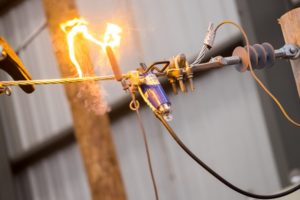
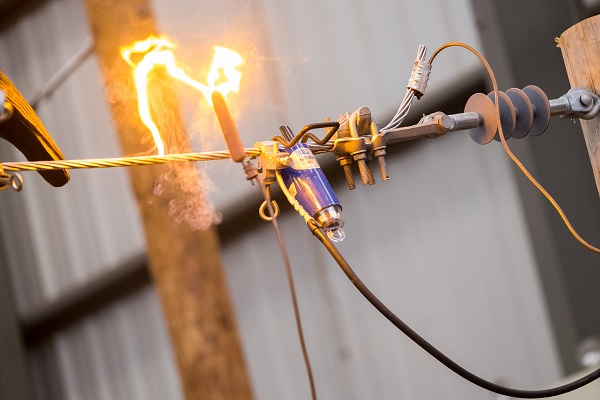
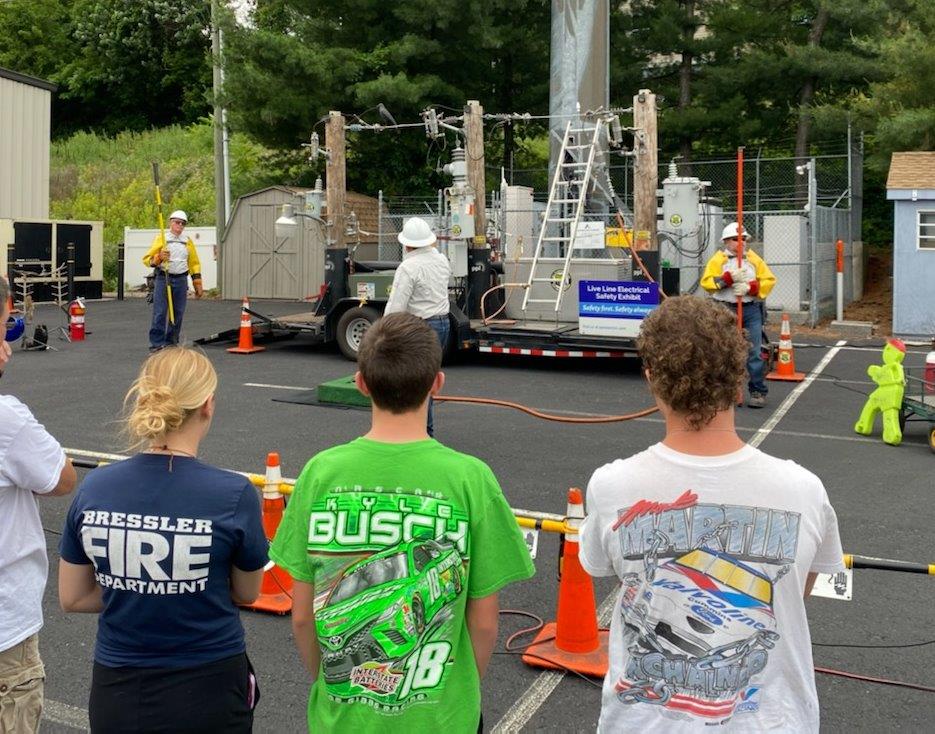
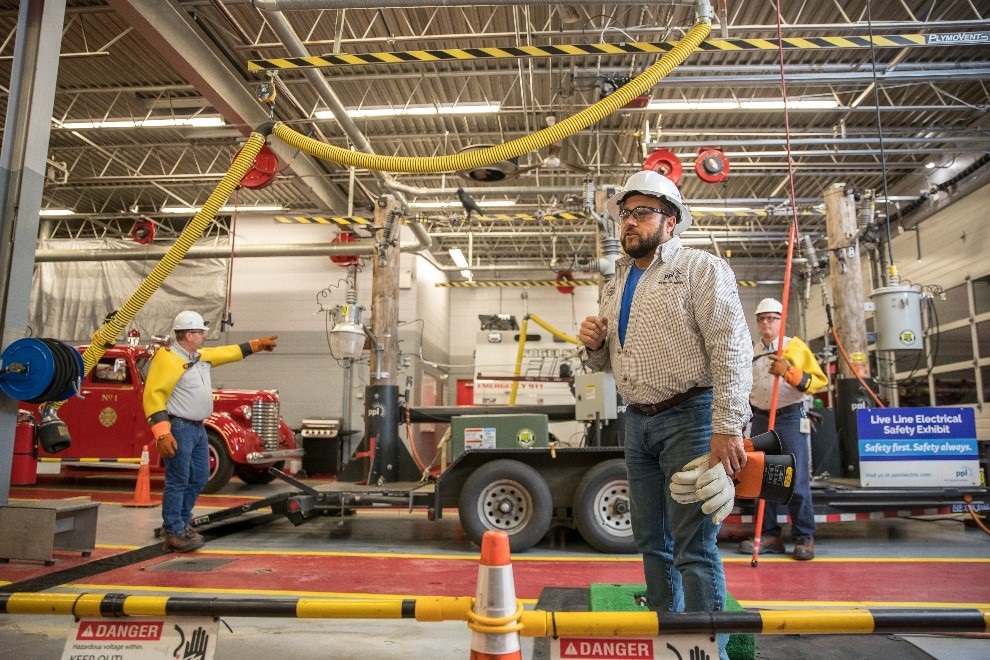
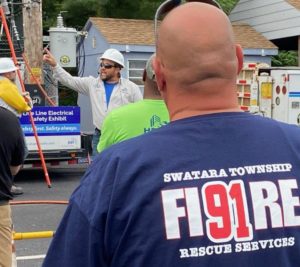
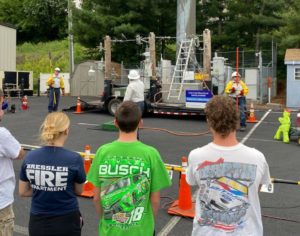
The exhibit is a 7,200-volt electrical distribution grid that features live electrical wires, utility poles and transformers, used to present dangers associated with electricity. Trained PPL staff wearing protective equipment use ladders, gloves, shovels and other tools in a controlled environment to recreate sparks, flames, smoke and crackling that occur when items come in contact with live electrical lines. They’ll also show what happens when a tree branch and a Mylar balloon contact wires.
The exhibit will be making stops across our 29-county service territory through early November, following a lengthy hiatus due to the COVID-19 pandemic. And all demonstrations are free.
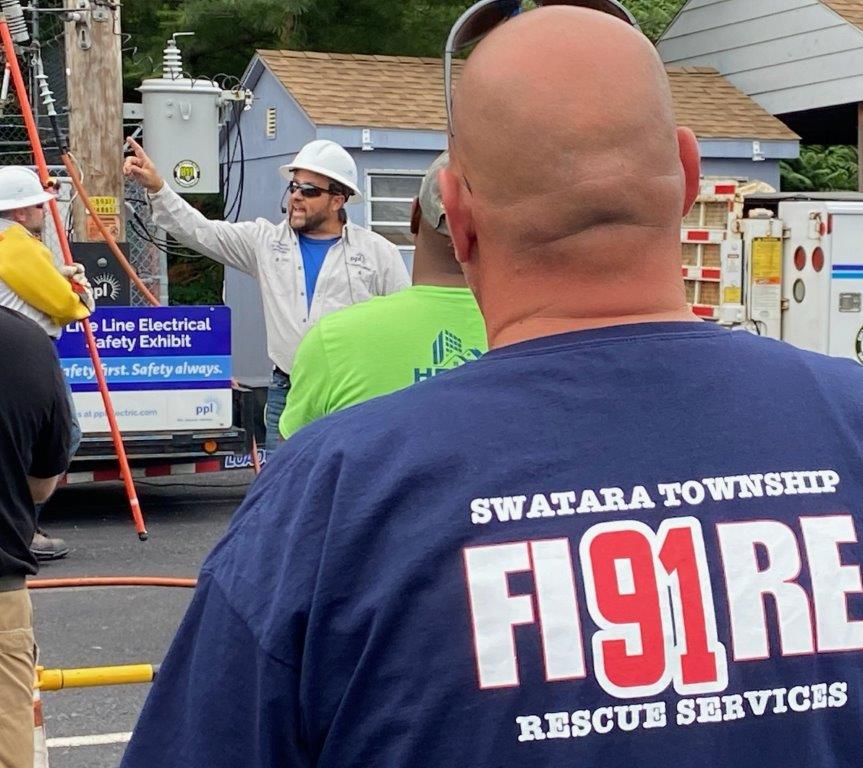
We recently kicked off our tour by visiting Rutherford Fire Co. in Harrisburg and providing a demonstration to 32 first responders.
To schedule a demonstration, email Doug Haupt at dlhaupt@pplweb.com or call 610-297-2461. Available dates for 2021 are limited, but we are starting to accept bookings for 2022 as well.
The following are some requests for groups hosting the exhibit:
- An audience of at least 50 people is required.
- We need an outdoor area suitable to accommodate the exhibit.
- We ask that hosts invite surrounding first responder organizations to attend.
- We appreciate if host organizations allow the general public to attend the demonstration.
The exhibit will be hosted outdoors and our presenters will follow all of the most up-to-date COVID-19 guidance from the Centers for Disease Control and Prevention and the Pennsylvania Health Department.
Don’t miss your chance to see the Live Line Exhibit back in action!

May 13, 2021 | Safety and Security
With the weather warming up, yard sale season is fast approaching, and advertisers are also in search of outdoor space to help spread their message. It’s important to remember that utility poles are off-limits. Attaching signs, advertisements, flyers and other materials to utility poles can cause potentially serious safety problems.
What makes posting on utility poles unsafe? Items are typically attached with nails or staples, which can injure line workers who may have to climb the pole to make a repair. They also can puncture critical safety gear, like rubber gloves and sleeves. Even a tiny hole in this protective equipment can present a serious and potentially deadly threat.
Posting on utility poles is also illegal. State law makes it a summary offense to drive a nail or tack, or attach any metal or hard substance, into an electric utility pole.
We’re asking for your help. If you’ve placed something on one of our wooden poles, please take it down and keep our crews’ safety in mind. Thank you!
May 4, 2021 | Safety and Security
The start of National Electrical Safety Month is a reminder to take inventory of electrical components around your home and business. It’s also a good time to share with others the importance of staying safe near overhead and underground power lines and other electrical equipment.
Always stay away from any power lines that may fall to the ground and always assume they’re energized. If you see a fallen line report it by calling 1-800-342-5775 and we’ll send someone out to the location.
Here are some electrical safety tips to consider all-year round.
Inside your home or business:
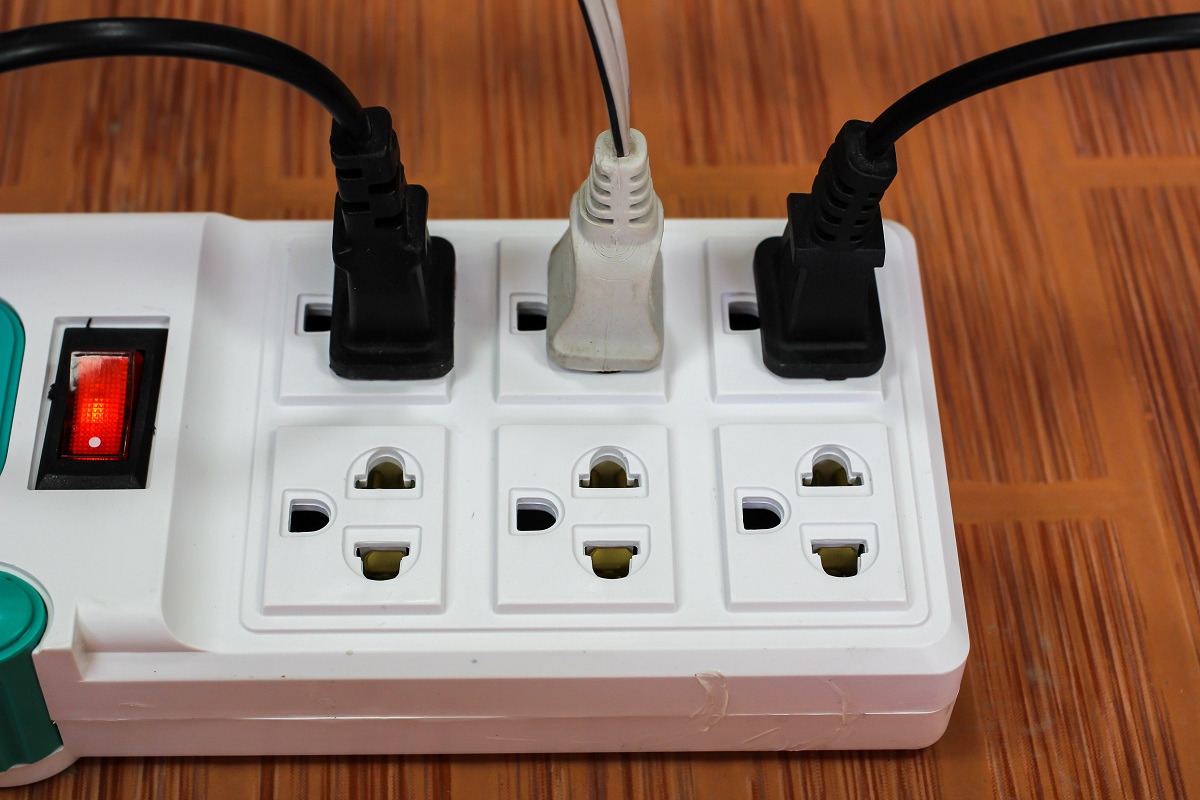
- Make sure all power cords are in good condition and not frayed or cracked.
- Do not put nails or staples through cords and don’t run cords under carpeting.
- Make sure plugs fit securely and are not forced into an outlet.
- Use light bulbs that are the correct, recommended wattage.
- Use extension cords only for temporary, not permanent wiring.
- Use ground fault circuit interrupters (GFCIs) in areas where water and electricity can make contact.
- Contact a licensed electrical contractor if you have flickering lights, sparks, non-functioning outlets, or need wiring repairs or upgrades.
Outside:
- Before doing any work that involves ladders or climbing, make sure there are no power lines overhead.
- Know what’s below! Call 811 at least three business days before starting a project that involves digging.
- Don’t plant trees under power lines or near other electrical equipment.
- Stay away from pad-mounted transformers, the large green metal boxes that are typically seen on the ground in housing developments.
- Keep power tools away from water and don’t operate then when it’s raining.
For more electrical safety resources, check out pplelectric.com/safety.
Apr 29, 2021 | Safety and Security
Who says electricity — and learning about it — can’t be fun?
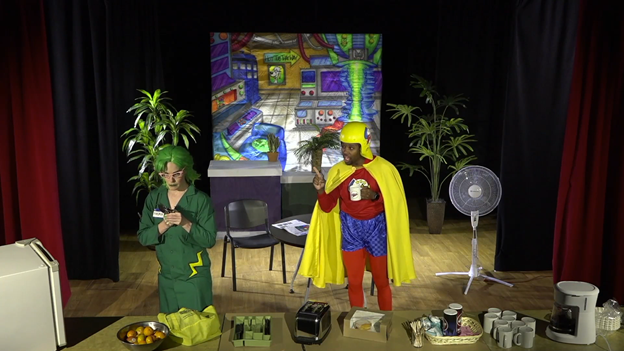
More than 5,000 children are discovering just how fun it can be, thanks to an entertaining and educational theater program we’re offering to schools across Pennsylvania.
The show, typically performed in school auditoriums and gymnasiums by actors, is now hosted via livestream, due to the pandemic, to ensure the safety of children and actors.

The latest performance — “Captain Wattage” — was pre-recorded and is being presented to 33 schools from April 27 and May 19.
“Captain Wattage” tells a superhero-themed story about the uses of electricity and how to stay safe around it, as well as how it is created. A livestream host introduces and recaps the information, and students and teachers can submit questions and responses through a live Q&A feature.
These events are supplemented by student playbooks, posters and a full e-learning package including games, activities, e-books, and hands-on lessons for students to enjoy even after the program concludes.
Over 105,000 children have seen electrical safety theater performances since the start of our program.