Apr 29, 2021 | Safety and Security
Who says electricity — and learning about it — can’t be fun?
More than 5,000 children are discovering just how fun it can be, thanks to an entertaining and educational theater program we’re offering to schools across Pennsylvania.
The show, typically performed in school auditoriums and gymnasiums by actors, is now hosted via livestream, due to the pandemic, to ensure the safety of children and actors.

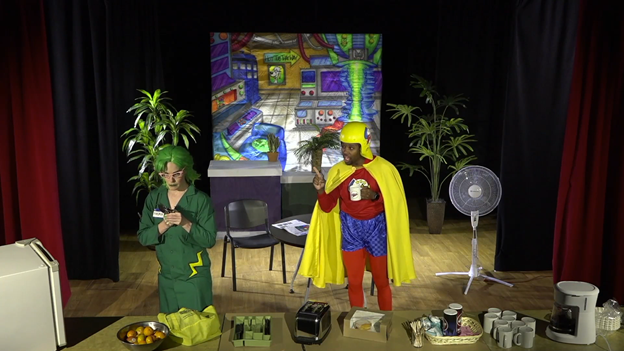
The latest performance — “Captain Wattage” — was pre-recorded and is being presented to 33 schools from April 27 and May 19.
“Captain Wattage” tells a superhero-themed story about the uses of electricity and how to stay safe around it, as well as how it is created. A livestream host introduces and recaps the information, and students and teachers can submit questions and responses through a live Q&A feature.
These events are supplemented by student playbooks, posters and a full e-learning package including games, activities, e-books, and hands-on lessons for students to enjoy even after the program concludes.
Over 105,000 children have seen electrical safety theater performances since the start of our program.
Apr 20, 2021 | Reliability
We’re using technological innovation and data to reduce costs, improve safety, and keep the lights on for our customers.
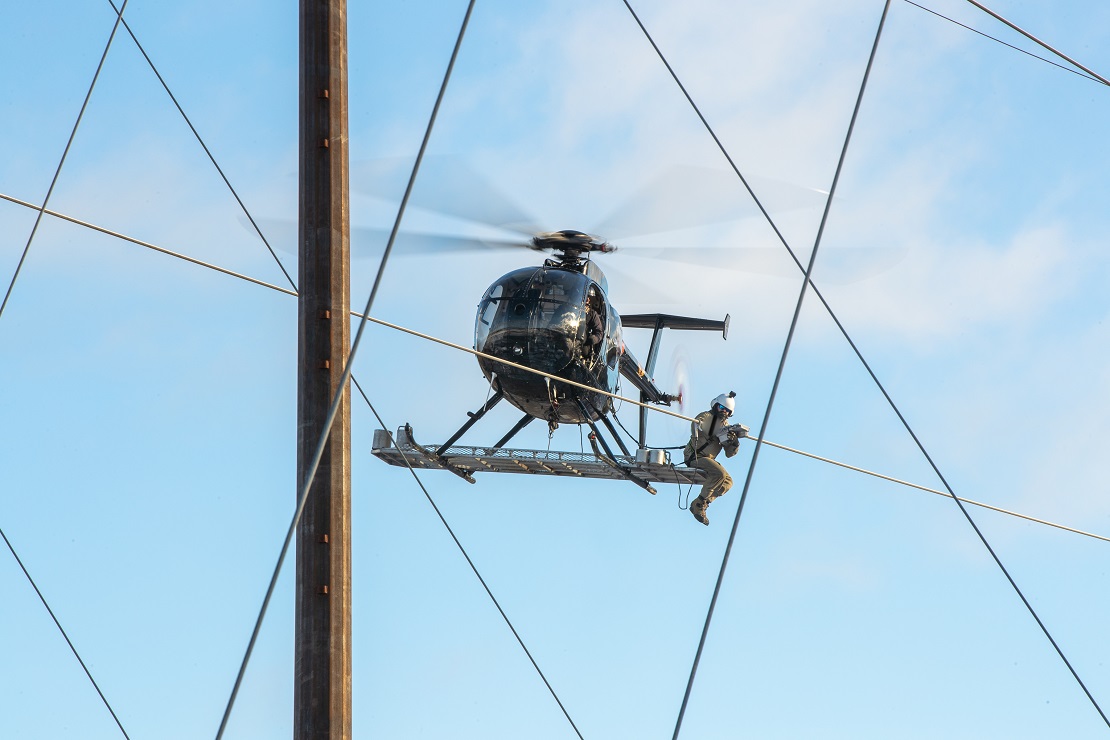
This past winter we piloted dynamic line rating (DLR) technology on two of our transmission lines. When integrated successfully into operations, this technology has the potential to delay costly investments.
We’re excited to report that our pilot was successful. Thanks to the accuracy reported by our DLR sensors, we didn’t need to build new lines or upgrade the transmission line to avoid congestion.
The use of DLR sensors on our transmission lines saved millions of dollars that can be invested into preparing for the grid of the future. It also prevents us from having to do construction work.
Our company is one of the first to successfully integrate this technology into operations.
Let’s take a closer look at how it works.
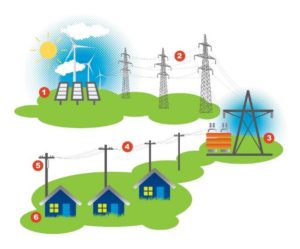
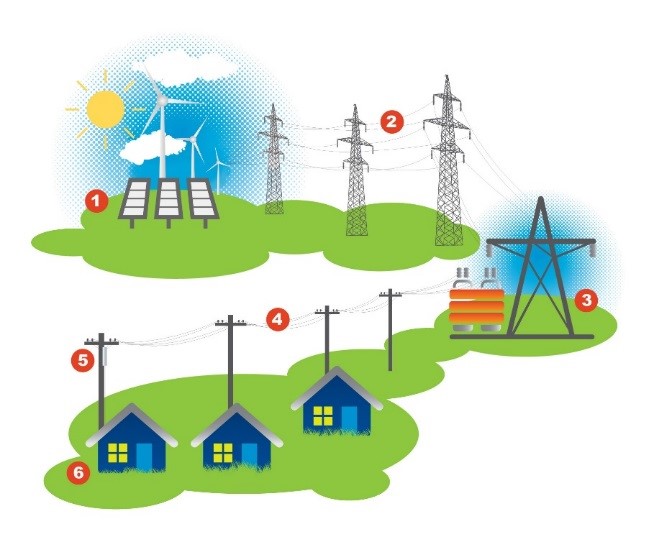
The energy grid moves electricity like the roadway system moves vehicles. The grid has two main components. The transmission system (#2) acts like the highway, moving energy over long distances and across state lines. The distribution system (#4) acts like local roadways, delivering energy directly to homes and businesses.
Like traffic on the highway, the grid becomes congested when the transmission system can no longer deliver the electricity without exceeding certain limits. When this happens, just like roads need to be expanded or added, transmission owners, like us, must upgrade or build new electrical lines.
DLR sensors give real-time information on conditions that affect transmission line performance – like wind speed and line temperature. This information is used to increase the amount of electricity delivered over existing lines and decrease congestion.
Traditionally, static line ratings are taken when the lines are initially built, and the ratings are used indefinitely to make investment decisions. So, even though the environmental factors are continually changing, the rating assumes the most conservative factors are at play. When the grid becomes congested, we may be unable to increase the amount of electricity because the initial static line rating assumes we cannot. This means we must invest in upgrading or adding transmission lines.
“The information we are collecting is helping us better balance strong resiliency while holding down costs,” said Dave Quier, vice president of Transmission and Substation. “Not having to make upgrades to Harwood-Susquehanna saves money, avoids construction work and gives our team more flexibility to invest money where customers will see bigger reliability results.”
This is just another example of how we’re using technology, innovation and data to improve safety, reduce cost, and keep the lights on for you.

Mar 30, 2021 | Environment
Spring is upon us. And what better way to show our love of the environment than planting a tree? There’s just something about watching a tree adapt to all four seasons and grow right before our eyes. But before we get caught up in the beauty of nature, we must do a bit of research and take safety precautions before we pull out the shovels and start digging.
Here are a few tips for safe and successful tree prep and planting:
Keep tree roots in a cool place until ready to plant. Add water to moisten the roots, as needed.
Location, location, location – plan the spacing and location of your tree. And make sure it’s far away from any PPL power lines. If a tree is planted near power lines, eventually it may need to be trimmed or removed to keep your power reliable and the grid safe.
Call 811 before you dig! Know what’s below. It’s important to call 811 at least 3 business days before your project to avoid digging into any underground utility lines.
Consider using mulch (shredded bark or wood chips), around your tree to prevent damage to its roots.
For more information and a comprehensive guide to selecting, planting and caring for a new tree, visit www.arborday.org
Mar 30, 2021 | Community Involvement
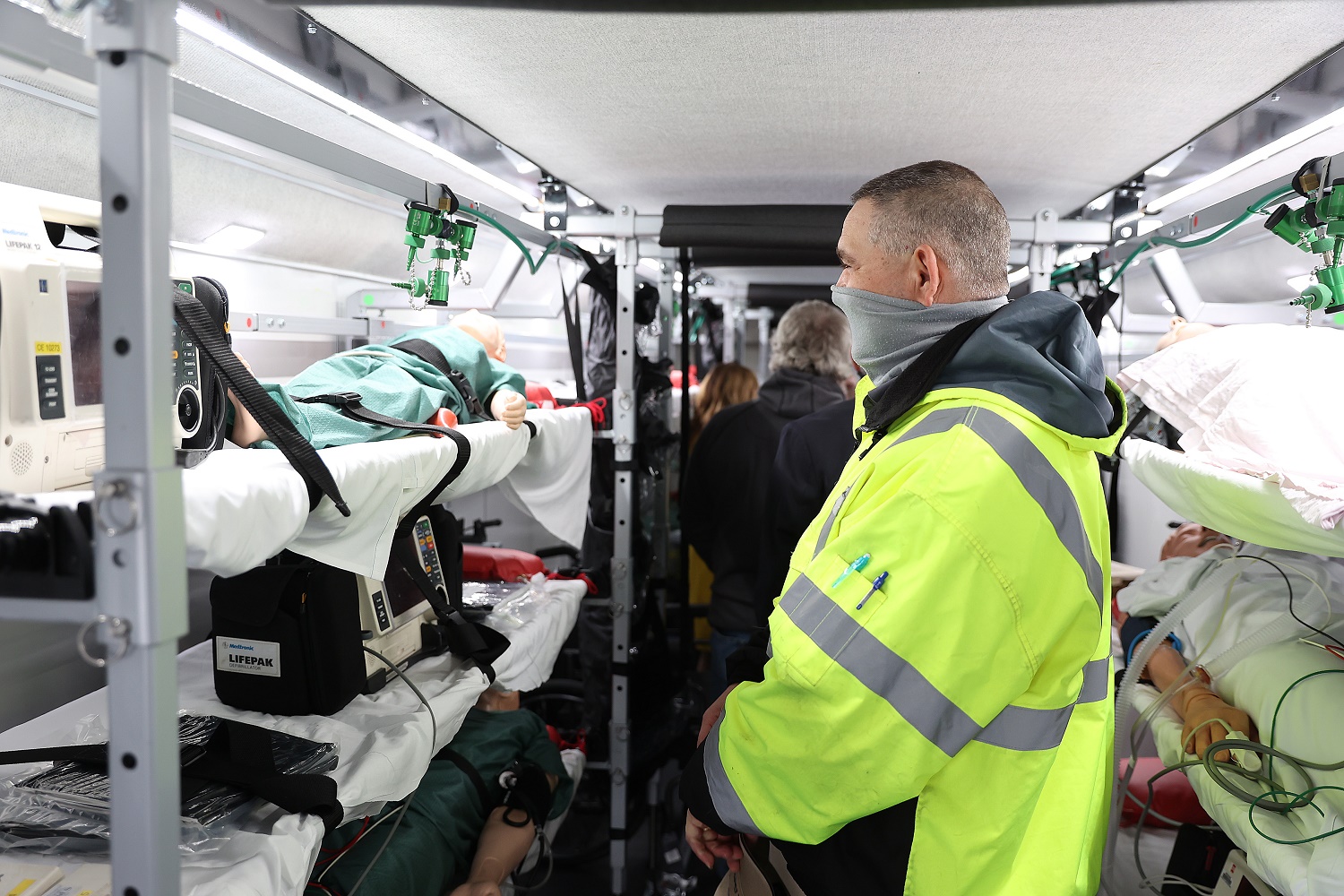
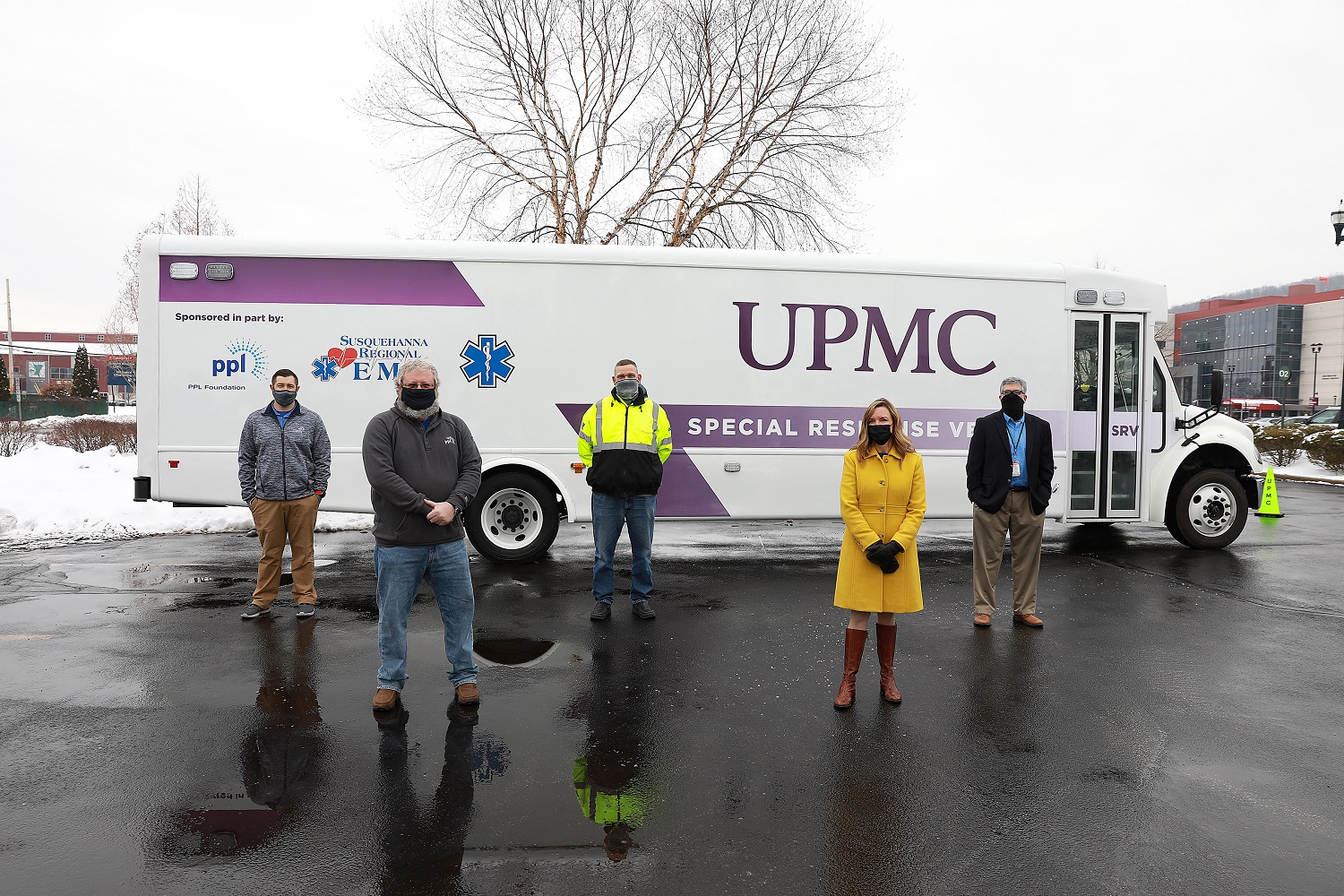
In 2018 when we agreed to grant $100,000 to the Susquehanna Health Foundation toward an “ambulance bus,” it was an exciting and innovative idea. But this year, we saw that idea and vision come to life.
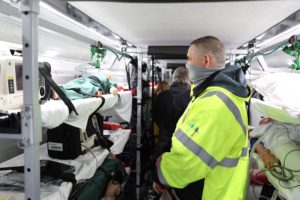
Now, this climate-controlled, 15 passenger, ambulance bus will be used for a variety of functions, all contributing to the health and safety of the community. The goal is to reach residents across 12 counties, 7 of which are within our territory, through paramedic and firefighter training and drills for emergency responders. It’s already been put to good use, delivering COVID19 vaccines to senior citizens in Williamsport, Lycoming County.
Since its founding in 2015, the PPL Foundation has contributed $15 million to organizations across our 29-county region. We’re proud to play a small part in preparing for the unique healthcare needs of this area, while supporting two of the PPL Foundation’s major focuses: education and sustainable communities.
We’re looking forward to seeing the ambulance bus in action!
Mar 19, 2021 | Community Involvement
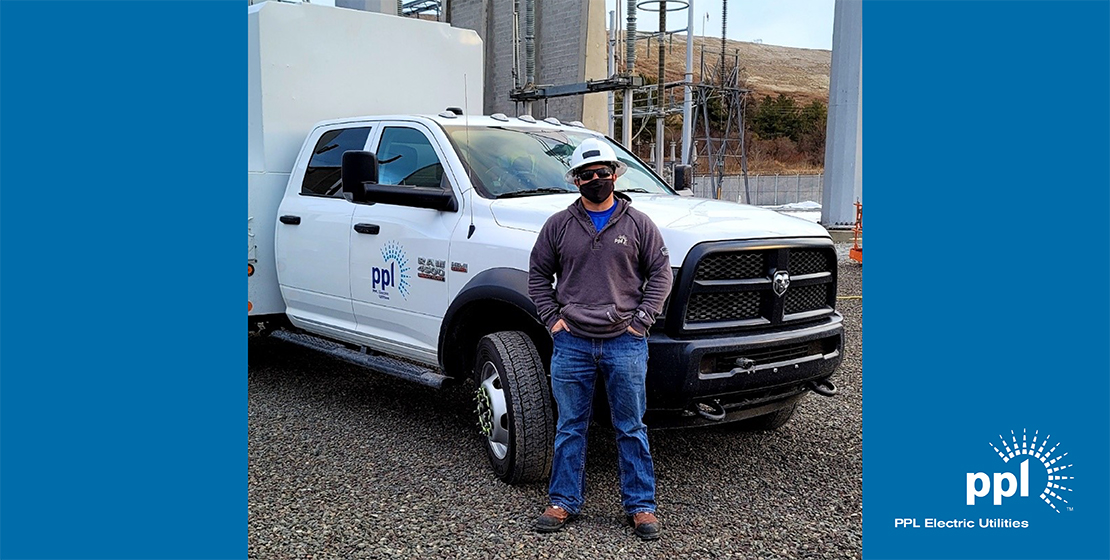
Mike Bezick’s day-to-day routine as a journeyman, doesn’t normally include helping a stranded customer. But one cold day this winter, that’s exactly what he did.
As Mike drove back to our Lehigh Service Center during a fresh snowstorm, he discovered a vehicle that slid off the roadway into a tree. Mike stopped to see how he could help.
After assessing the situation, he confirmed the driver was conscious but recognized he could not exit his vehicle. The tree was blocking the drivers’ door. Mike, concerned for his safety, immediately called 911 to report the accident. Then he stayed with the driver, keeping him calm, until the emergency responders arrived.
Our employees are always willing to offer a helping hand, whether that means volunteering in their local communities, or stopping at the scene of an accident. Mike embodies our corporate values. And we’re proud of the courage and kindness he displayed as he helped a customer in need.