Oct 14, 2021 | Energy Efficiency
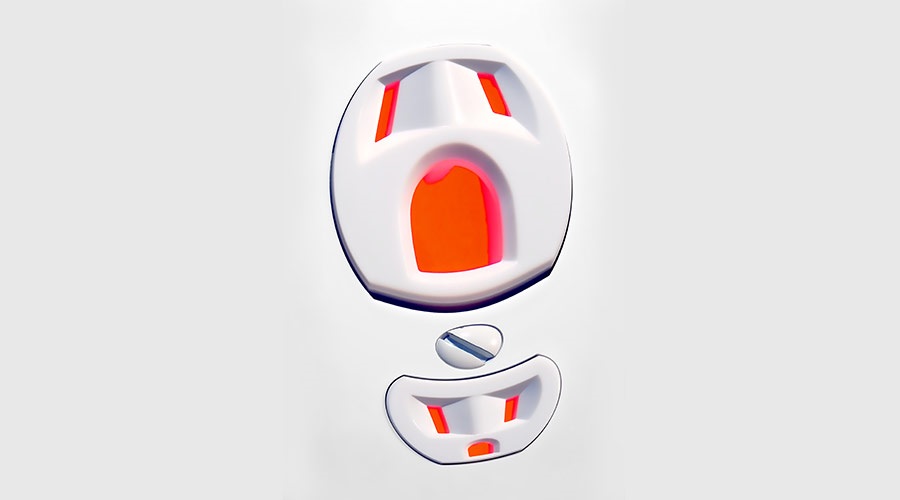
It’s spooky season, and it’s time to slay those energy vampires — the electronic gadgets, appliances, and other devices that draw energy when they’re plugged in but not in use.
Here are four tips to keep these monsters at bay.
In the home office
- After you sign off, your home office laptops and PCs are still on the job. Shut them – along with your printers, scanners, and other equipment – down and save.
In the family room
- Popular gaming systems use energy, even when they’re in standby mode. Next time you put down the controller, shut the system down.
In the kitchen
- If you’re not using an appliance, make sure it’s turned off. According to the U.S. Department of Energy, this simple act can save you between $10 and $20 per year in energy costs.
Everywhere you charge
- Your phone, laptop and tablet are using energy whenever they’re plugged in, even if they’re fully charged. Once the meter hits 100 percent, unplug your device to save.

Sep 30, 2021 | Energy Efficiency

Since 2009, our customers have saved 4,026,933,000 kilowatt-hours (kWh) of electricity. To put that into perspective, that’s the greenhouse gas emissions equivalent of:
- Removing 620,000+ passenger vehicles from the road for an entire year
- Charging 347,145,834,418 smartphones
- Operating 594 wind turbines for a year
- 970,686 tons of waste recycled instead of landfilled
- 343,666 homes’ energy use in a year
The Difference Customers Like You Have Made
For the past 12 years, our customers have cut electricity usage by over 4 billion kWh by participating in our energy efficiency programs—that’s savings of more than $403 million in energy costs. Wow! Check out these big stats worth celebrating:
- 24,000,000+ energy-efficient light bulbs were purchased
- 143,000+ appliances were properly recycled
- 71,000+ energy-efficient devices and appliances were installed in local businesses

Energy Efficiency Means Peace of Mind
Taking the time to make the right decisions about your home’s appliances, air quality, and heating and cooling systems goes a long way. When your home is more energy efficient, it means you’re in control of your costs and your comfort. Whether you’re upgrading to ENERGY STAR® certified appliances or being mindful of your day-to-day acts, like shutting off lights, it all adds up—benefiting your family’s comfort, your savings, and the planet.

Celebrate With an Energy-Efficient Rebate
When it comes to major home endeavors like insulation or upgrades to heating and cooling systems, you can save hundreds with our rebates and incentives. In addition, Pennsylvania offers residents financial incentives and tax credits on upgrading your home’s energy efficiency.

For more tips to help you save energy, visit savewithppl.com.

Sep 9, 2021 | Energy Efficiency
Your home’s indoor air quality is the quality of the air within and around your home in relation to you and your family’s health and comfort. By understanding and improving your home’s air quality, you can improve not only your health and quality of life but also save on your energy bill.
The importance of indoor air quality for your family.
Indoor air pollution can come from many different sources, including excess moisture, central heating, and cooling systems and humidification devices, cleaning materials, and outside sources. If your home has air pollution, it can cause headaches, dizziness, fatigue, and irritation of the eyes, throat, or nose. If these symptoms occur, you may want to explore ways to improve indoor air quality in your home.
Improving indoor air quality.
Using a portable air cleaner or upgrading the air filter in your HVAC system can help improve indoor air quality. Air purifiers or air sanitizers are designed to filter the air in a single area. Your central furnace or HVAC filters are designed to filter the air throughout a home. Both are good for reducing air pollution; however, they can’t remove all pollutants. Dehumidifiers can also help improve indoor air quality by keeping humidity levels at a healthy level.
One way to freshen up your home’s air quality is to check on the status of these ventilation systems and appliances. Proper maintenance and replacement, when necessary, can help control humidity while reducing dust and particles that aggravate asthma and allergies. Doing so can also help you save on your energy bill too: A dirty HVAC filter slows down air flow and makes your system work harder—wasting energy. A clean filter prevents buildup in the system and can lead to expensive maintenance or early system failure. Upgrading from an older HVAC system to a new, ENERGY STAR® system like a ductless mini-split uses 60% less energy than standard resistance-based heating systems and cuts cooling costs by 30%.
We offer rebates to help you save when you’re ready to upgrade: Get up to $25 off ENERGY STAR certified dehumidifiers, up to $450 off ENERGY STAR certified air-source heat pumps, and a rebate of $400 per outdoor unit for ENERGY STAR certified ductless mini-splits.
Keep outside air out with proper sealing.
Good ventilation is important to indoor air quality and control over when and how much air is circulated between the inside and outside of your home. Identifying and sealing areas where the air is leaking in and out of your home is the first step to gaining that control. Our in-home audit includes a blower door test, which identifies the air leakage in your home. We also provide up to $200 in rebates for air sealing. The biggest savings come over time—sealing air leaks can help you save 10-20% on your energy bill.
We hope you now have the tools and knowledge to breathe easier and save money on your home’s energy costs.

Aug 16, 2021 | Energy Efficiency
When the summer heat is at its highest, your energy bill can take quite a hit. One of the best ways to keep your energy costs down is to focus on the ways you use water. Water heating accounts for an average of 13% of a home’s energy costs.
Tip 1: Reset With a Cold Shower
When it’s just way too hot outside, a quick cool-off in the shower is an easy, energy-efficient way to lower your body temperature. Keeping it short and cool gives your water heater a break and can help lower energy costs. Bonus: Cold showers promote better blood flow, making you feel more awake, support healthy hair and skin, and help with sore muscles.

Tip 2: Replace Old Water Heating Equipment
The last thing you need during a heatwave is a broken appliance. Older water heaters have a lifespan of about 10 years. Stay up to date with regular maintenance and replace older models with new, energy-efficient ones. If you plan to upgrade, consider installing a heat pump water heater, which can cut energy costs for water heating in half. We also offer a $400 rebate on ENERGY STAR® heat pump water heaters.

Tip 3: Lower Your Water Heater Temperature
Since scorching-hot water isn’t typically necessary, check to see what temperature your water heater is currently set to. If you lower your water heater to 120 degrees Fahrenheit, you can save energy and money and reduce the risk of scalding.

Tip 4: Wash Clothing With Cold Water
Another good way to avoid using hot water and save more on your energy bill is to wash your clothes on a cold setting. About 90% of the energy used in washing machines comes from water heating.

Let us know if these tips worked for you and comment below.
Looking for additional info?

Jul 22, 2021 | Energy Efficiency
When the temps go up, the energy costs often do too. Here are a few handy tips to save energy and save money. Even small changes can collectively help you out during the heat of summer.
Tip 1: Avoid the Oven

Cooking with a conventional oven can add unwanted heat to your house, forcing your A/C to work harder. Do more of your cooking with a microwave or slow cooker to keep the kitchen cool. Better yet, use the summer heat as an excuse to fire up the old backyard barbeque. Outdoor grilling is a summertime tradition for a reason—you can cook delicious meats and veggies while keeping the heat outside.
Tip 2: Energy Recon

A home energy monitor can give you real-time data on your energy usage. You can determine which of your appliances are gobbling up the most energy. You can conduct experiments to help you save energy. Also, you can monitor your usage for a certain time period. When you see how and when you’re using energy, you can find ways to save.
Tip 3: Cool Your Bulbs

Switching to LED lightbulbs can help you save in multiple ways. ENERGY STAR® certified bulbs use at least 75% less energy and last 25 times longer than traditional incandescent bulbs. Plus, LEDs don’t give off as much heat as traditional bulbs, so they can help keep cooling costs down.
Tip 4: Throw Some Shade

During the dog days of summer, window shades can really help your energy consumption. In rooms without direct sunlight, you can pop those shades up and use the sun to light this part of your home. In rooms with direct sunlight, do the opposite: Drop your shades to keep the room nice and comfortable.
Tip 5: Location. Location. Location.

Be mindful of where you place appliances that give off heat. When placed near a thermostat, lamps with incandescent bulbs and some TVs can make it difficult for your thermostat to get a good reading. This means your A/C might work harder than necessary to keep you comfortable.
So there you have it. Hopefully these tips and tricks will help you—and your energy bill—beat the heat during these summer months. Discover even more ways to save with PPL.